


Published on March 10, 2026
While Southeast Asia is renowned for its breathtaking landscapes and vibrant flavours, its enduring stories shape its cultural fabric. Our Tales From Southeast Asia campaign (page map not live yet) is a cross-cultural storytelling initiative that showcases the region’s folklore, legends, and spiritual narratives, while honouring each nation’s distinct identity.
Over the coming weeks, the campaign will invite travellers to discover Southeast Asia through local myths that reveal the region’s origins, customs, and everyday life. Supporting this journey, our campaign sponsor, AirAsia Move, is providing flights that allow our influencers to experience and explore these destinations firsthand.
Below, we explore each participating country and the enduring folklore that defines its cultural essence. Let us know which story is your favourite.
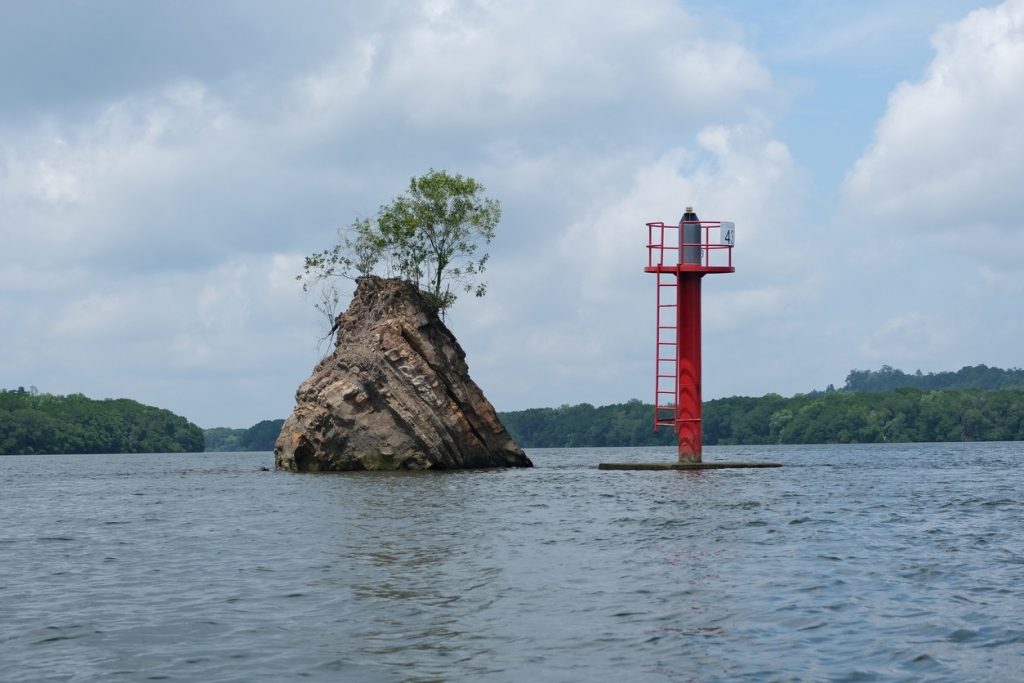
Brunei Darussalam
- Jong Batu (The Ship Rock): This legend tells of Nakhoda Manis, a wealthy trader who denied his poor mother upon his return home. Heartbroken, she cursed him, turning his ship into stone. Today, Jong Batu stands along the Brunei River as a symbol of humility, filial piety, and repentance.
- Mahkota Yang Hilang (The Lost Crown): During a royal procession, the Sultan’s crown plunged into the river and vanished. Locals believe it lies hidden beneath the waters, guarded by supernatural forces, symbolising the sacred relationship between Brunei’s monarchy, its people, and divine guardianship.
- The Legend of Dang Ambon: Dang Ambon is remembered as a brave and loyal woman who served the Sultan with devotion. In some versions of the tale, her spirit continues to guard Brunei’s rivers and forests, which reflects the strength and courage of Bruneian women throughout history.
- The Tale of the White Crocodile: The white crocodile is believed to inhabit the rivers of Brunei and serves as a guardian spirit of the waters. Anyone who sees it is considered either a blessing or a warning, reinforcing Brunei’s deep respect for nature and the unseen spiritual world.
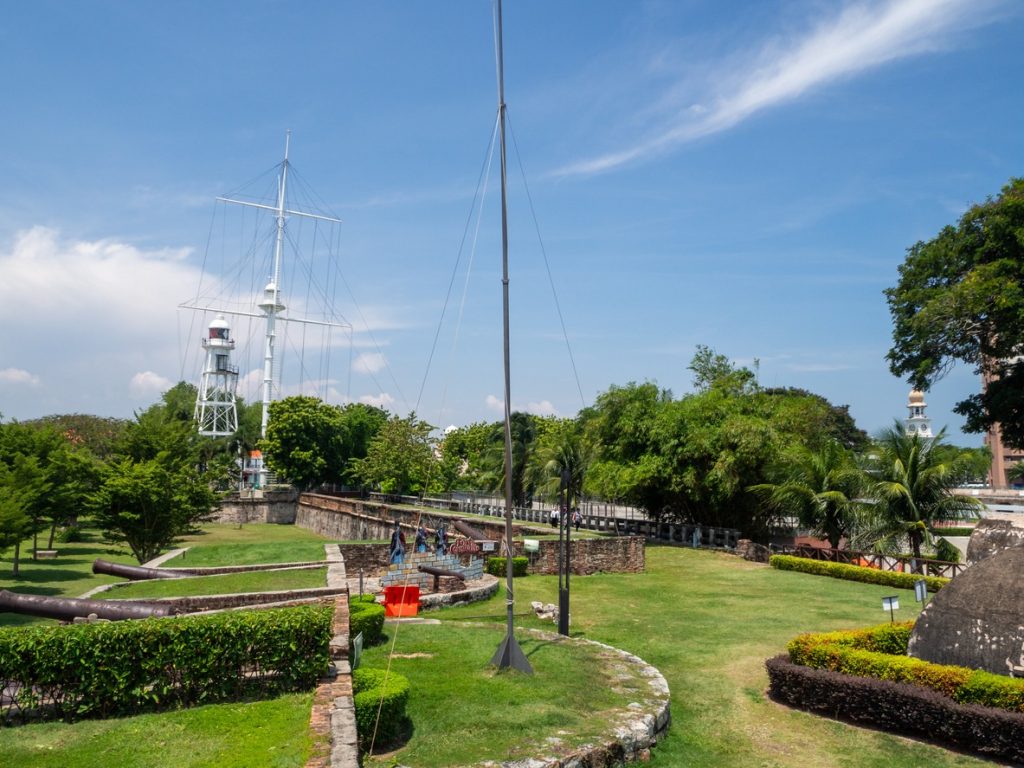
Malaysia
- The Legend of Nakhoda Ragam: Known as the “Singing Captain,” Nakhoda Ragam was a famed seafarer whose musical talents accompanied his voyages across the Malay Archipelago. He is believed to have named Penang “Pulau ke Satu,” which reflects Malaysia’s rich maritime heritage and spirit of exploration.
- The Peranakan Legacy: Descended from early Chinese settlers and local communities, the Peranakans represent a unique hybrid culture found in Penang, Melaka, and Singapore. Their folklore, traditions, and architecture (like at the Cheong Fatt Tze Mansion) tell stories of identity, adaptation, and cultural fusion.
- The Nine Emperor Gods Festival: According to legend, worship of the Nine Emperor Gods helped end an epidemic in Penang. Today, the festival remains a powerful spiritual event, rooted in beliefs about celestial guardians who govern life, death, and cosmic order.
- The Legend of the Sri Rambai Cannon: Housed at Fort Cornwallis, this cannon is said to have resurfaced from the sea through a royal curse. Folklore even claims it grants fertility to women who offer flowers, blending history, myth, and ritual.
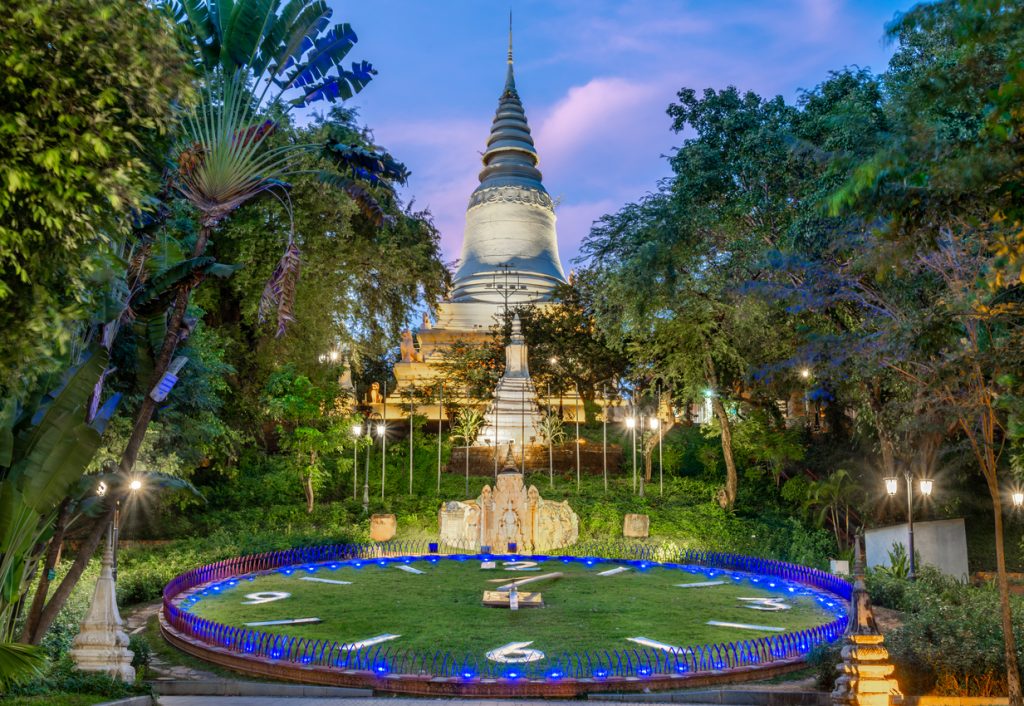
Cambodia
- Daun Penh: A wealthy widow who discovered five sacred Buddha statues in a floating Koki tree from the river, Daun Penh built a shrine atop a hill, giving rise to Wat Phnom and the city of Phnom Penh. Her spirit is believed to continue protecting the city and granting blessings.
- Rahu, the Demon King of Eclipse: Depicted in art at Wat Phnom, Rahu is said to swallow the sun or moon during eclipses. This legend reflects ancient Khmer cosmology influenced by both Hindu and Buddhist beliefs.
- The Naga: A multi-headed serpent deity believed to be the ancestor and protector of the Khmer people. Naga sculptures line riverfronts and temples, symbolising fertility, protection, and the origin of Cambodia itself.
- The Krud (Cambodian Garuda): A powerful part-human, part-bird creature, the Krud represents strength, courage, and vigilance. These statues often guard sacred spaces, poised as eternal protectors.
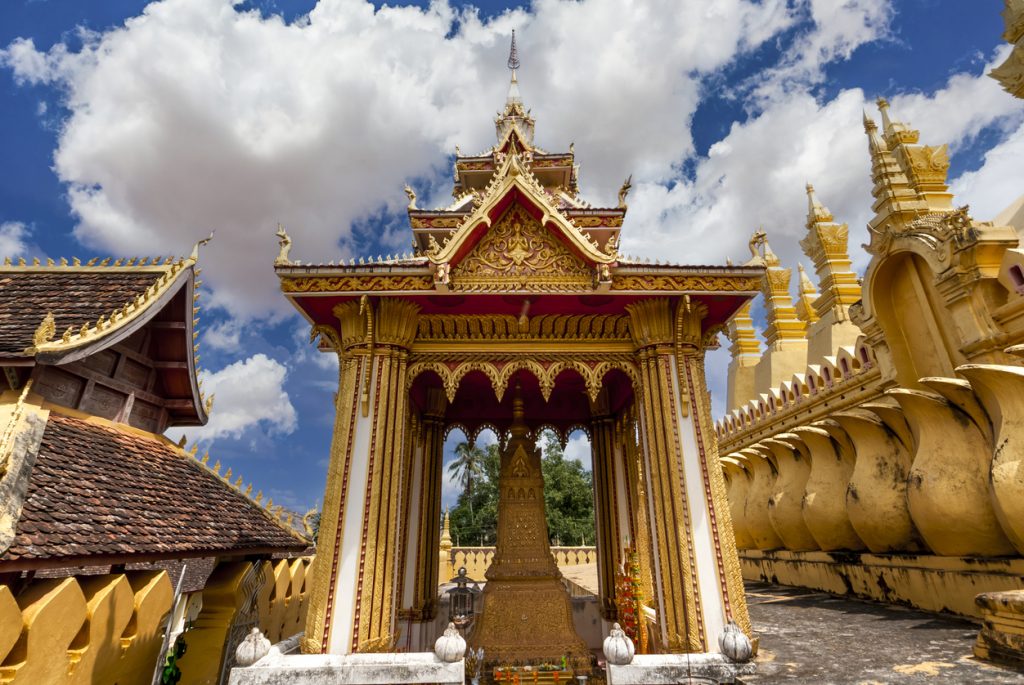
Lao PDR
- Si Muang: This legend tells of a young woman who sacrificed herself so the city could prosper. Her spirit is still believed to grant wishes and protect Vientiane, making her a symbol of devotion and communal well-being.
- That Luang and the Naga Guardians: Lao PDR’s most sacred monument is believed to be guarded by mystical Nagas that protect the Buddha’s relics within. These serpent beings embody faith, protection, and national identity.
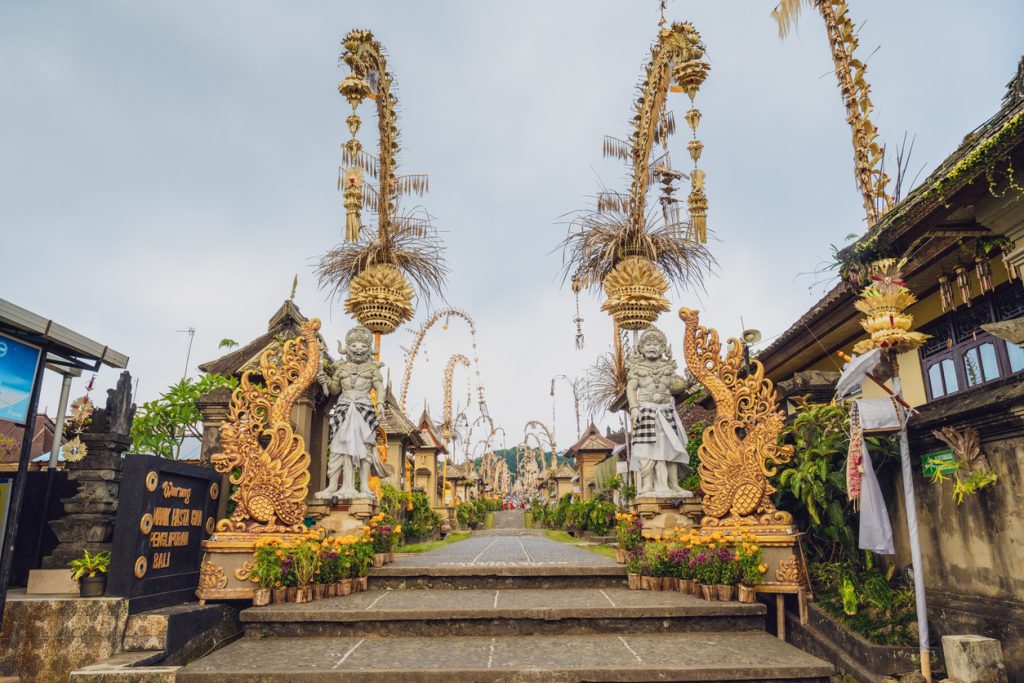
Indonesia
- Barong and Rangda: Barong, the lion-like protector spirit, battles Rangda, the demon queen, in an eternal struggle between good and evil. This legend reflects the Balinese philosophy of balance between opposing forces.
- Penglipuran Village: Named from “Pengeling Pura,” meaning “to remember the ancestors,” the village is guided by ancestral spirits and strict customary laws. Its folklore emphasises harmony, purity, and respect for unseen guardians.
- Ulun Danu Beratan and Dewi Danu: Dedicated to the goddess of water and fertility, this temple honours Dewi Danu, whose blessings ensure abundance in Bali’s lakes and rice fields.
- Tanah Lot and the Sacred Sea Snake: This legend tells of a holy priest whose sash transformed into a giant serpent to protect Tanah Lot Temple. The snake remains a symbol of faith, protection, and spiritual balance between land and sea.
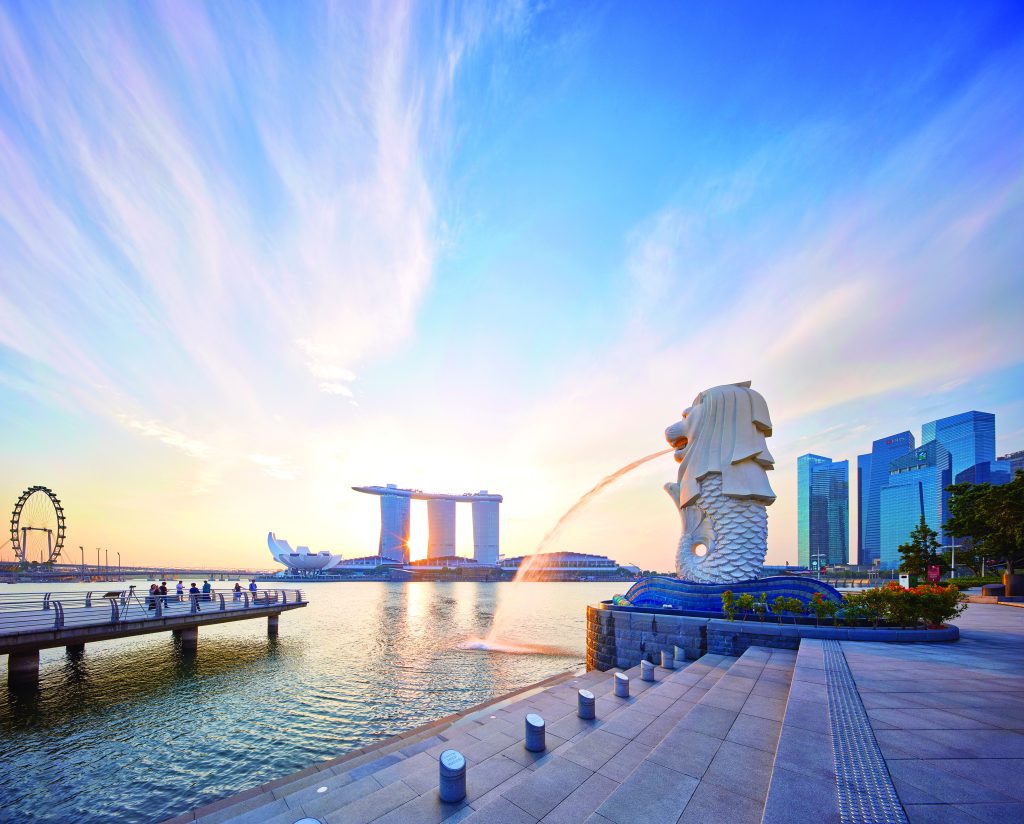
Mythical Lion Fish Water Spout, Merlion Park | Singapore Tourism Board
Singapore
- The Legend of Sang Nila Utama and the Lion: The most famous Singaporean legend tells of Prince Sang Nila Utama from Palembang, who landed on Temasek (ancient Singapore) in the 14th century. He spotted a majestic creature with a red body, black head, and white breast, which his chief minister identified as a lion. This sighting inspired him to name the island “Singapura” (Lion City). However, since lions were never native to Singapore, historians speculate that it might have been a tiger or Malayan tapir.
- Badang the Strong Man: Badang was a legendary Malay warrior of extraordinary strength who served the Sultan of Singapura. According to legend, he gained his superhuman powers after helping a water spirit. Badang could lift massive boulders and was said to have hurled a large stone from Singapore to Kuala Lumpur. A stone at the mouth of the Singapore River was traditionally believed to be one of his legendary throws.
- The Merlion Legend: While the Merlion statue is modern (created in 1964), it draws from ancient maritime folklore. The lion head represents the legend of Sang Nila Utama, while the fish tail symbolises Singapore’s origins as the fishing village of Temasek, meaning “sea town” in Javanese.
- Radin Mas and the Tragic Princess: This tale tells of Princess Radin Mas Ayu, who fell in love with a commoner. When their forbidden romance was discovered, tragedy ensued. The area of Radin Mas in Singapore is named after her, and locals believe her spirit still roams there.
Viet Nam
- Bánh Chưng and Bánh Giầy: Created by Prince Lang Liêu, these symbolic rice cakes represent Earth and Sky. The legend emphasises filial piety, gratitude, and harmony with nature, making them central to Tết celebrations.
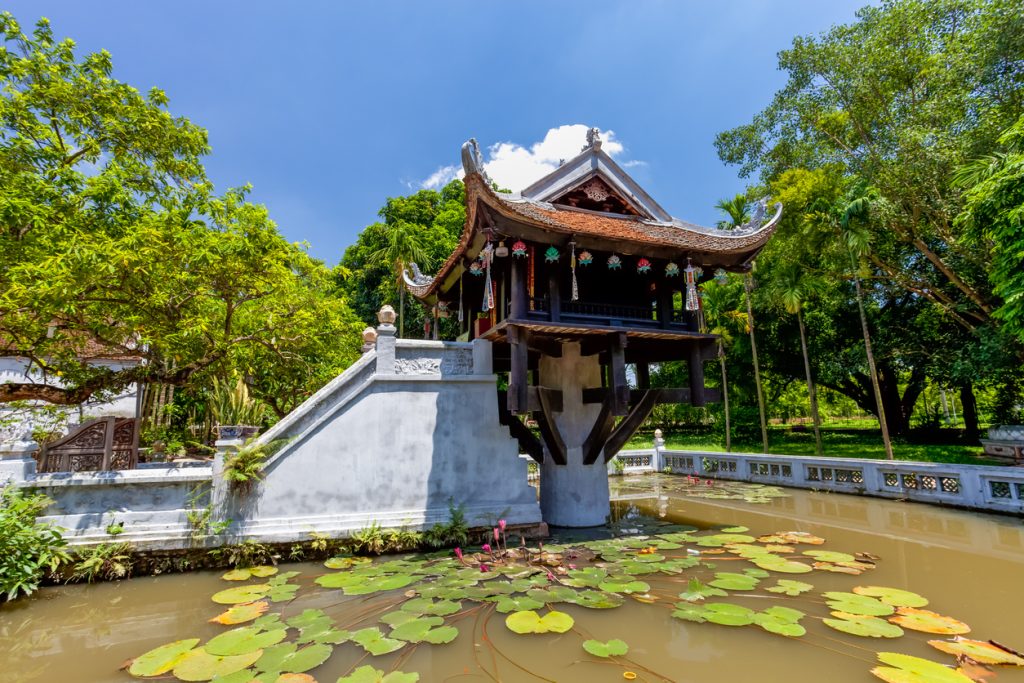
- One Pillar Pagoda: Built during the reign of King Lý Thái Tông in the 11th century, the pagoda was inspired by a dream in which the Goddess of Mercy, Quan Âm, appeared seated on a lotus flower and handed the king a baby boy. After the birth of his son, the king ordered the construction of a pagoda shaped like a lotus rising from the water, symbolising purity, gratitude, and divine blessing. Today, One Pillar Pagoda is a special national relic and an enduring symbol of the capital, renowned for its long history and profound cultural and spiritual significance.
- The Golden Turtle’s Gift: The legend tells the story of a sacred turtle that aids King An Dương Vương in building the Spiral Citadel and grants a magical crossbow to defend the kingdom.
- Mỵ Châu and Trọng Thủy: This is a tragic tale of love and betrayal that led to the fall of the kingdom. Sites like the Jade Well and Cổ Loa Citadel preserve the emotional legacy of this legend.
The Philippines
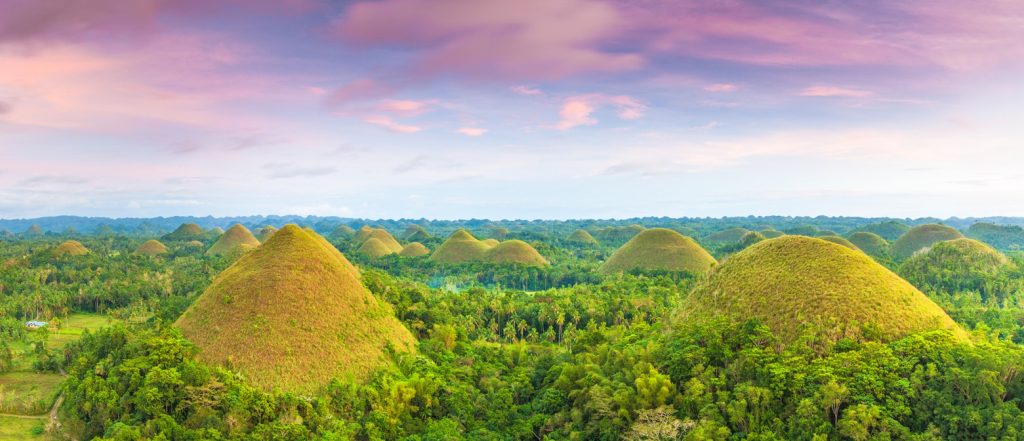
- The Chocolate Hills of Bohol: According to legend, the hills were formed from the tears of giant lovers. This myth adds emotional depth to one of the country’s most iconic landscapes.
- Hinagdanan Cave: Said to possess mystical powers, this cave is tied to legends of discovery and ancient spirits, blending natural wonder with folklore.
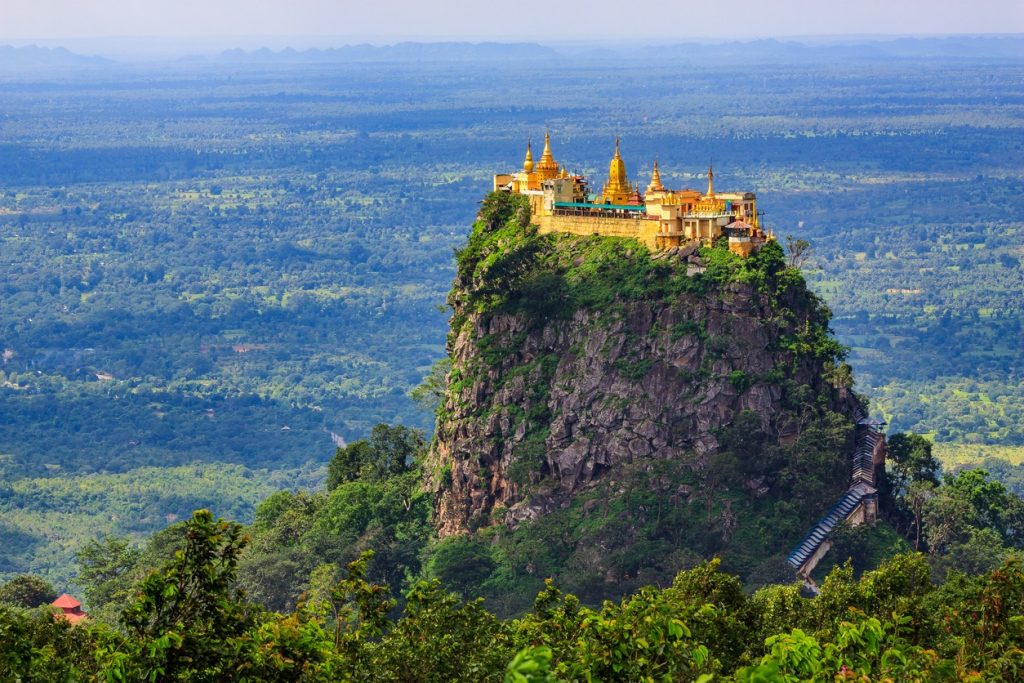
Myanmar
- The Nats: Spirits of people who died violent deaths, the Nats are widely revered and worshipped during Nat Pwe festivals, especially at Mount Popa and Sule Pagoda.
- Chinthe: These are lion-like mythical creatures that guard temples and pagodas that symbolise strength and protection.
- Kinnara and Kinnaree: These are two gentle bird-human beings that represent eternal love, grace, and devotion in Myanmar folklore.
- Zat Pwe: A vibrant storytelling performance combining dance, music, and drama that brings Myanmar’s legends and cultural history to life.
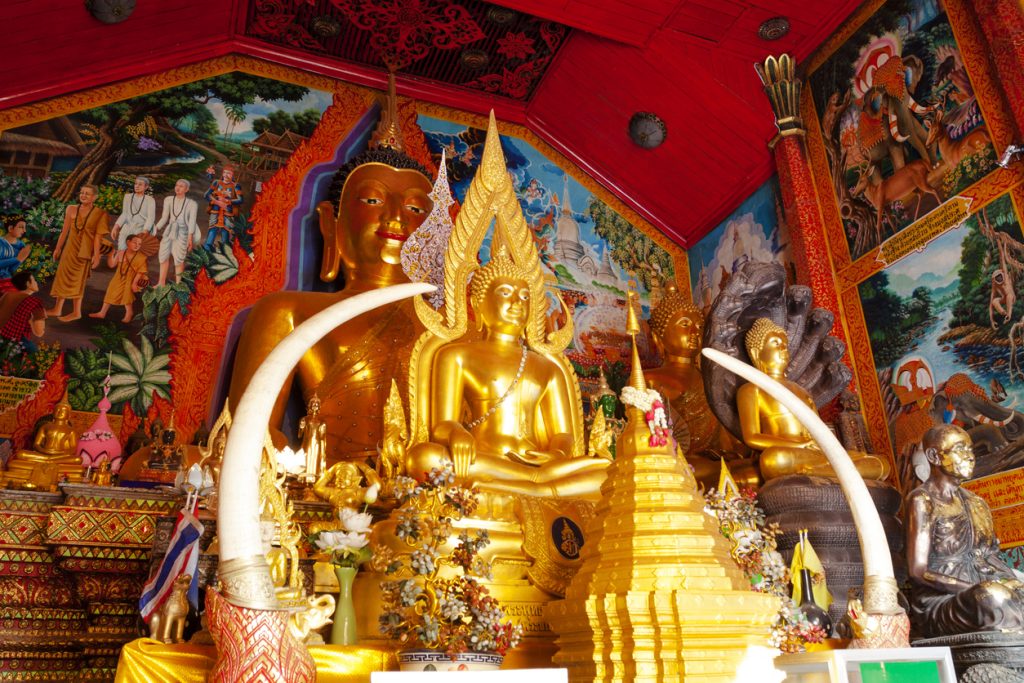
Thailand
- The Founding of Chiang Mai: According to the legend, three allied kings built Chiang Mai together, symbolising unity, cooperation, and shared leadership.
- The Emerald Buddha: Discovered in Chiang Rai and later housed in Chiang Mai, this revered statue reflects Thailand’s deep spiritual heritage and royal devotion.
- The White Elephant of Doi Suthep: The legend tells the story of King Mengrai, who released a sacred white elephant to find a city site. The white elephant’s final resting place led to the construction of Wat Phra That Doi Suthep.
- Pha Wing Chu (Runaway Lovers’ Cliff): The tragic love story of Princess An Fah and Noi Sing transformed this cliff into a romantic site where couples pray for eternal love.
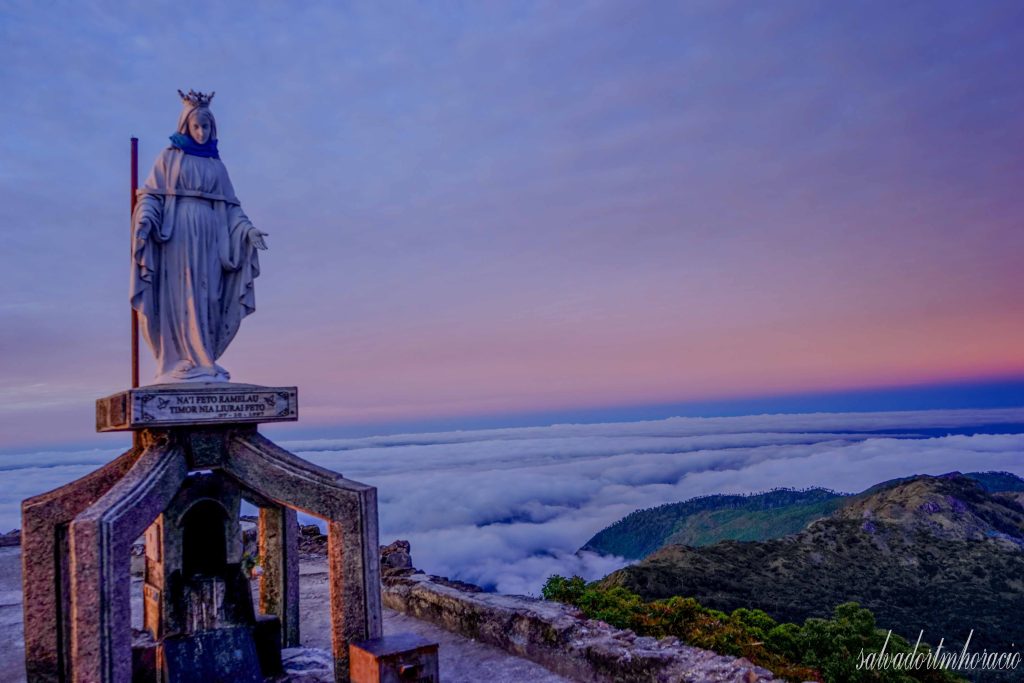
Timor-Leste
- The Legend of the Crocodile (Lafaek Diak): A lonely boy once rescued and cared for a weak crocodile. In gratitude, the crocodile transformed its body into the island of Timor-Leste, giving the boy a permanent home. The island is believed to represent the crocodile’s body, its head at Tutuala and Jaco Island, its mountainous spine through the interior, and its tail toward Suai. This symbolises gratitude, loyalty, and transformation.
- Mount Ramelau (Tatamailau) & the Watching Ancestors: Long regarded as the dwelling place of ancestral spirits, Mount Ramelau is seen as a sacred link between heaven and earth. Even after Christianity spread, the mountain’s spiritual significance endured, with the Virgin Mary statue at its summit coexisting alongside older beliefs in ancestral guardianship.
- Uma Lulik – The Sacred House of Spirits: These traditional sacred houses are believed to shelter ancestral spirits and protect communities. Built through ritual, their architecture symbolises lineage, memory, and the connection between the living and the unseen world, reinforcing respect for ancestry and tradition.
- The Wehali Kingdom & the Mother of the Land: Considered the spiritual heart of Timor, Wehali represents a philosophy of balance rather than conquest. The land is viewed as female and sacred, while rulers serve as caretakers tasked with maintaining harmony between people, nature, and the spirit world.
- Ira Lalaro & the Serpent Guardian: Ira Lalaro Lake is said to be protected by a powerful serpent spirit who safeguards ecological balance. The legend teaches that respect for nature brings harmony, while greed or arrogance may awaken the guardian’s warning through floods or droughts.
A Shared Story, A Connected Region
These Southeast Asian legends, rooted in each country’s culture, form a shared cultural tapestry across the region. Through our Tales From Southeast Asia campaign (link to map will go here), travellers are invited to step into living stories that celebrate imagination, belief, and the enduring connections that unite the region in its diversity.
Follow the journey in the coming months through #TalesFromSoutheastAsia.
Our Amazing Partners
AirAsia
AirAsia has long been a bridge across ASEAN, connecting cities, cultures, and communities throughout the region. By making travel easier, AirAsia enables explorers to follow the trail of legends, from sacred mountains to ancient temples. Through their expansive regional network, travellers can experience firsthand the shared heritage that defines Southeast Asia.
AirAsia MOVE
AirAsia MOVE is a travel and lifestyle platform that complements this journey by helping travellers seamlessly plan and book their adventures. From flights and accommodations to curated travel experiences, AirAsia Move empowers modern explorers to turn inspiration into action.