








Stay updated on Covid-19 in Southeast Asia. For more information, click here.


Meet the Chef

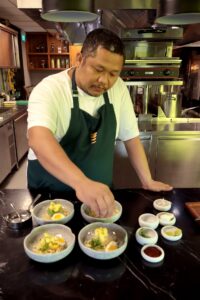
Chef Muris

from Brunei Darussalam

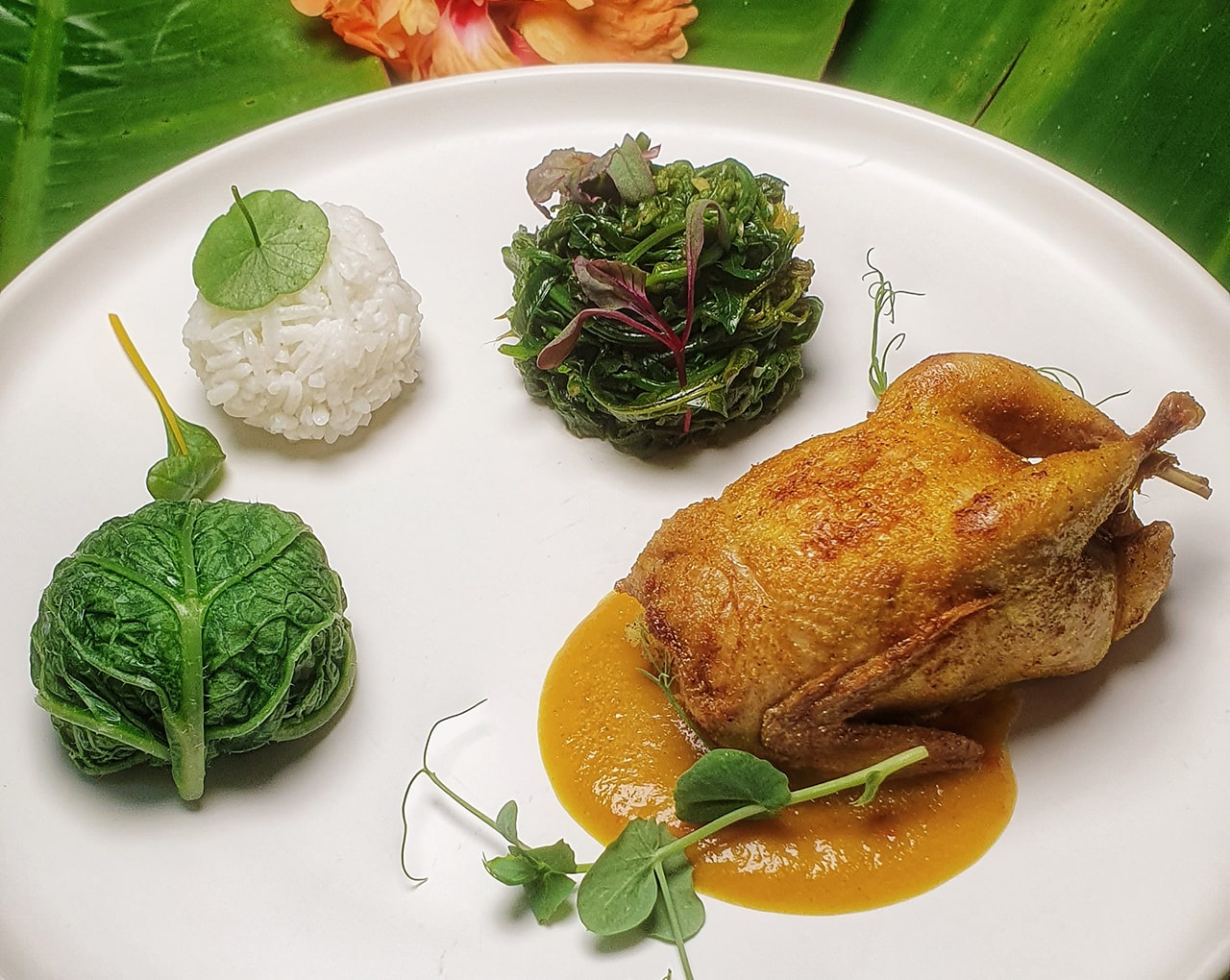
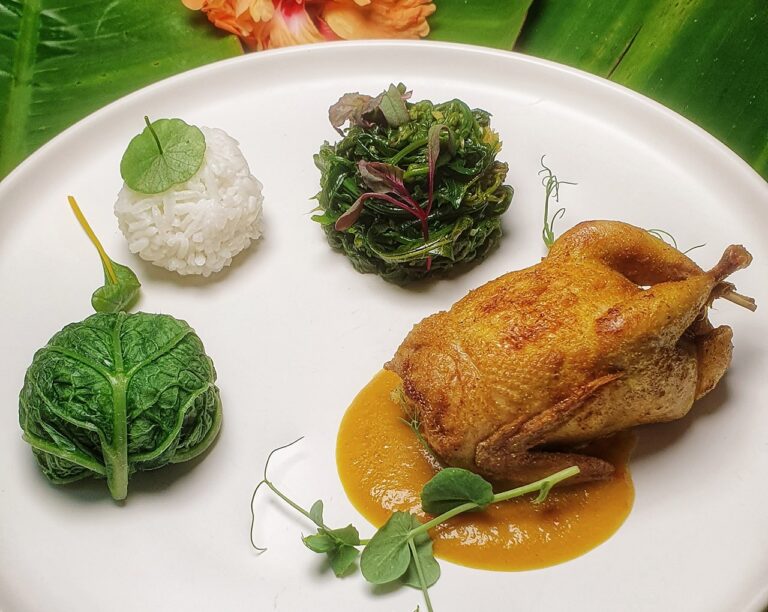
Kedayan Plate

The Kedayan, one of Brunei’s seven Indigenous tribes, are a people rooted in the land, carrying ancestral knowledge through farming, healing, and cooking. Their cuisine is guided by intuition rather than by written recipes, simple, fresh, and deeply tied to memory, nature, and community.

image of brunei
image of kedayan

Kedayan Plate

Ingredients:

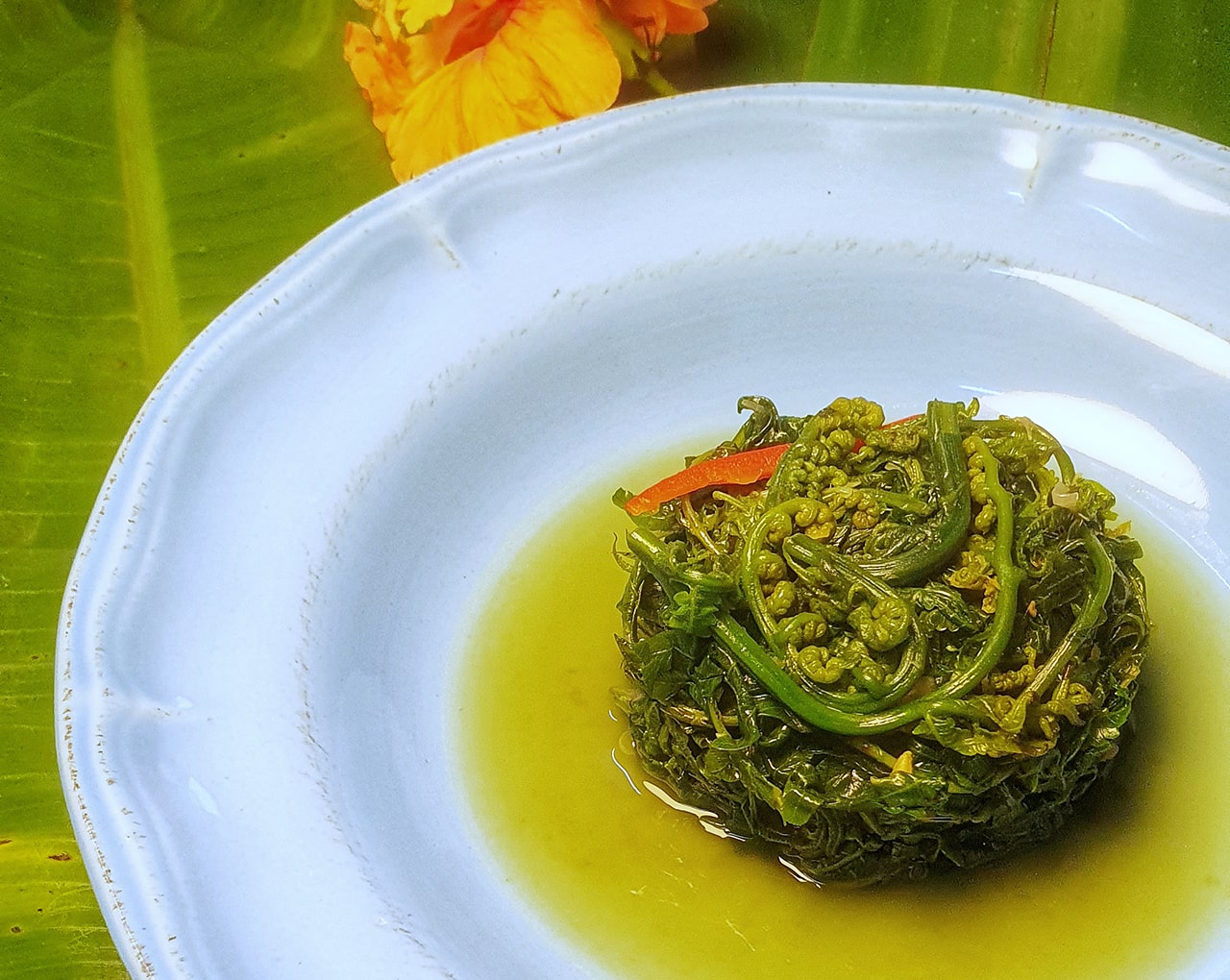
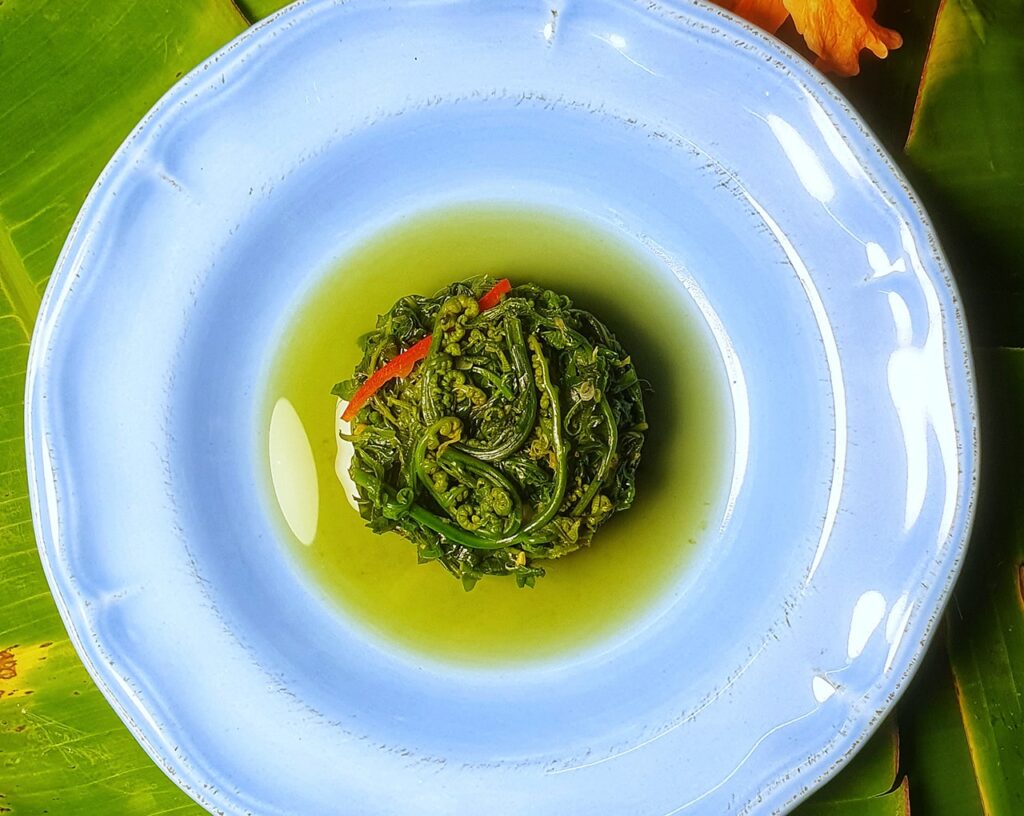
Sayur Pakis Betumis

  • 500 g pakis (fiddlehead ferns)
  • 2 garlic cloves, chopped
  • 2 shallots, chopped (or ½ onion)
  • 1 medium red chili, seeds removed and sliced lengthwise
  • 2 tbsp dried shrimp, soaked in water for 10–15 minutes
  • 1 tbsp vegetable oil (or any cooking oil)
  • Salt to taste

Optional Ingredients

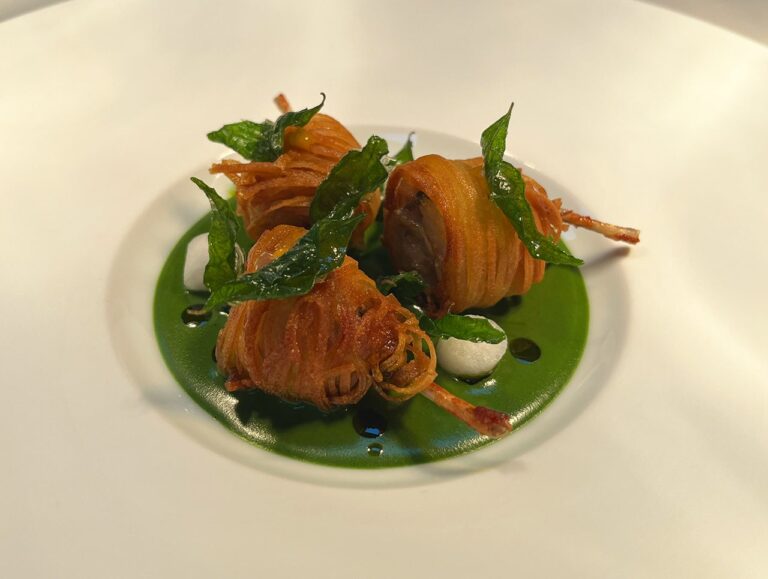
  • 4 fresh prawns or freshwater mud clams
  • 1 tsp belacan (shrimp paste)


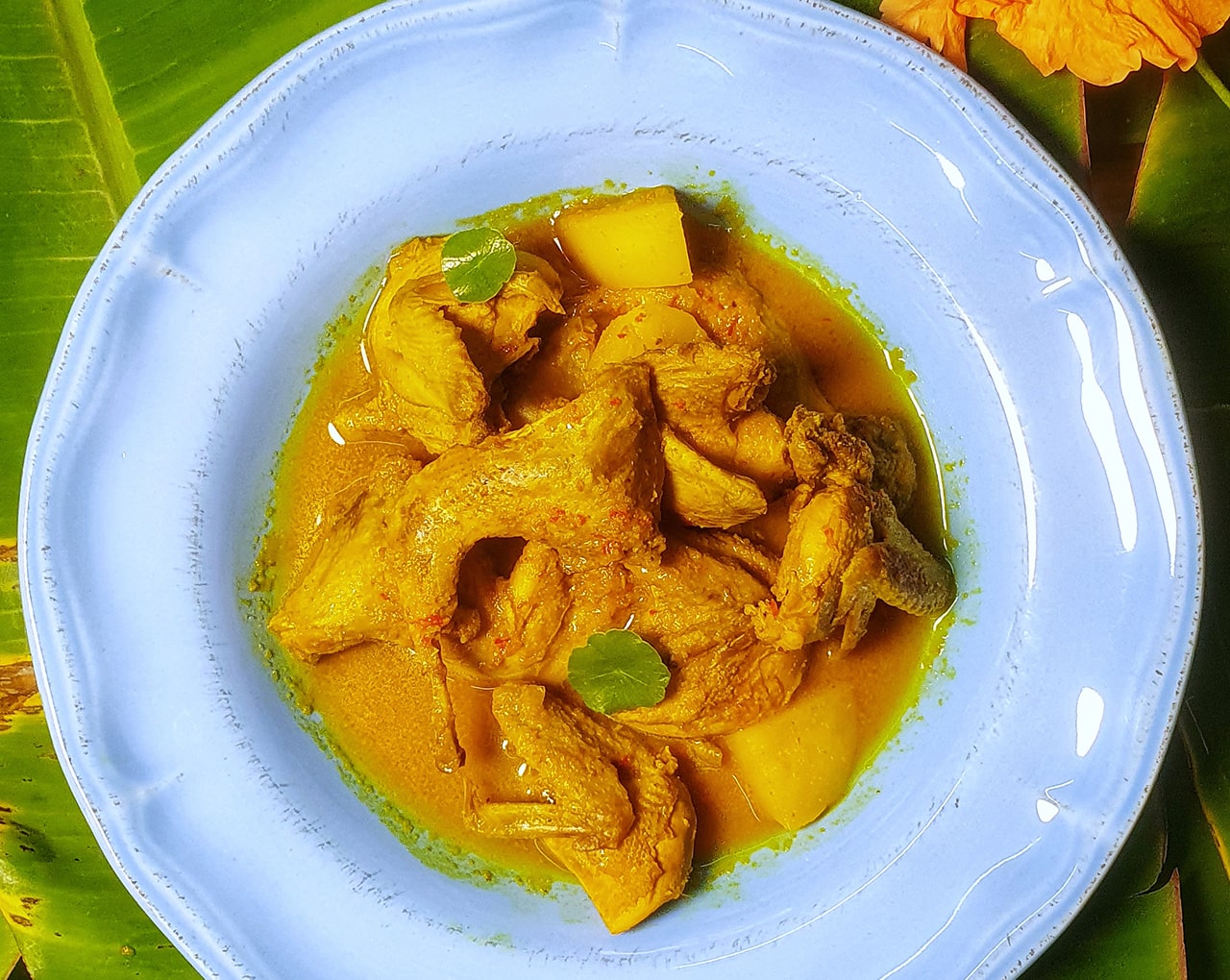
Puyu Masak Kunyit

  • 6 pcs quail (or 400 g preferred protein)
  • 2 garlic cloves, chopped
  • 3 shallots, chopped (or ½ onion)
  • 2 inches fresh turmeric (or 2 cm turmeric powder)
  • 1 stalk lemongrass (bottom 3 inches, lightly pounded)
  • 2 cm fresh galangal, lightly bruised
  • 4 pcs dried assam skin

Optional Ingredients

  • ½ cup coconut milk (creamier texture)
  • Bird’s eye chili (extra heat)
  • 1 potato, cut into thumb–sized cubes
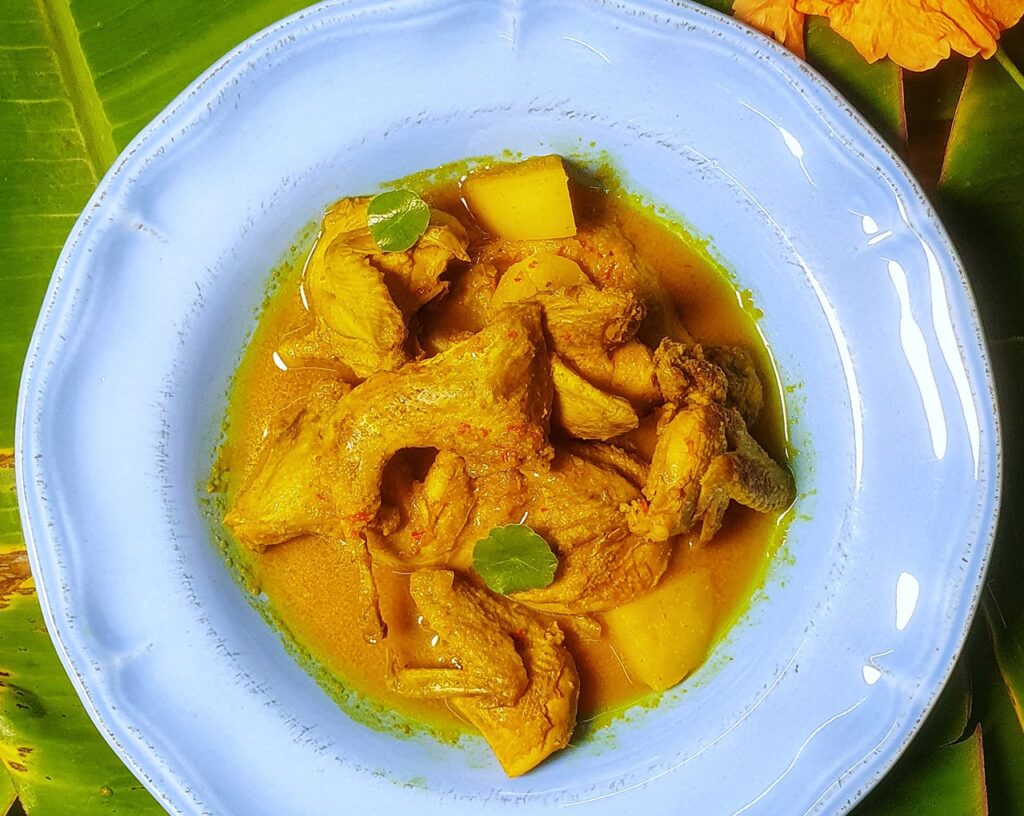
 

image of kedayan

image of Sayur Pakis Betumis

Preparation:

Sayur Pakis Betumis

Prep Work

Soak the dried shrimp in 100 ml hot water to soften and enhance flavor.

Prepare the fiddleheads by removing the leaves and tender top parts. From 500 g, approximately 200–250 g edible leaves will remain. Wash and soak to remove dirt.

Peel and chop garlic and shallots (tumis base).

Slice the red chili lengthwise and remove seeds.

Remove soaked shrimp, reserving the soaking water. Pound the shrimp using a mortar and pestle until coarse.

Cooking

Heat oil in a wok or medium pan over medium–high heat.

Add the tumis base (garlic and shallots) and sauté for 2–3 minutes until softened and translucent

Add red chili and pounded dried shrimp (plus prawns/clams and belacan if using). Cook for 1 minute

Pour in the reserved shrimp soaking water, add the fiddlehead leaves, and stir to combine

Season with salt and cook for approximately 5 minutes.

Notes

  • Add only a small amount of water — the dish should not be soupy. Ideal leaf-to-water ratio is 4:1.
  • Belacan has a strong aroma but adds deep umami — a Bruneian pantry essential.
  • Tumis means sear; this method also works for vegetables like bok choy.
  • Best served hot with steamed rice.


Puyu Masak Kunyit

Quail
Clean and quarter each quail into four pieces; set aside.

Tumis Base

Peel and chop garlic and shallots.

Remove chili seeds.

Scrape turmeric skin using the back of a knife.

Blend garlic, shallots, chili, and turmeric with a little water into a smooth paste.

Scrape galangal skin and lightly bruise it.

Trim lemongrass to bottom 3 inches and lightly bruise.

Cooking

Heat oil in a medium pan over medium–high heat.

Add the tumis paste and sauté for 2–3 minutes until fragrant.

Add lemongrass, galangal, and assam skin.

Add quail pieces and pour in enough water to cover. Add optional ingredients if desired.

Season to taste and boil for 5 minutes.

Reduce heat and simmer for 10 minutes. Adjust seasoning as needed.

Notes

  • Add small amounts of water if flavor becomes too concentrated.
  • Protein-to-water ratio: 1:1.
  • Adding coconut milk results in masak lemak style — thicker and richer.
  • Add bird’s eye chili for spicier heat.
  • Turmeric is rich in anti-inflammatory compounds like curcumin.
  • Best served hot with steamed rice.

Meet the Chef

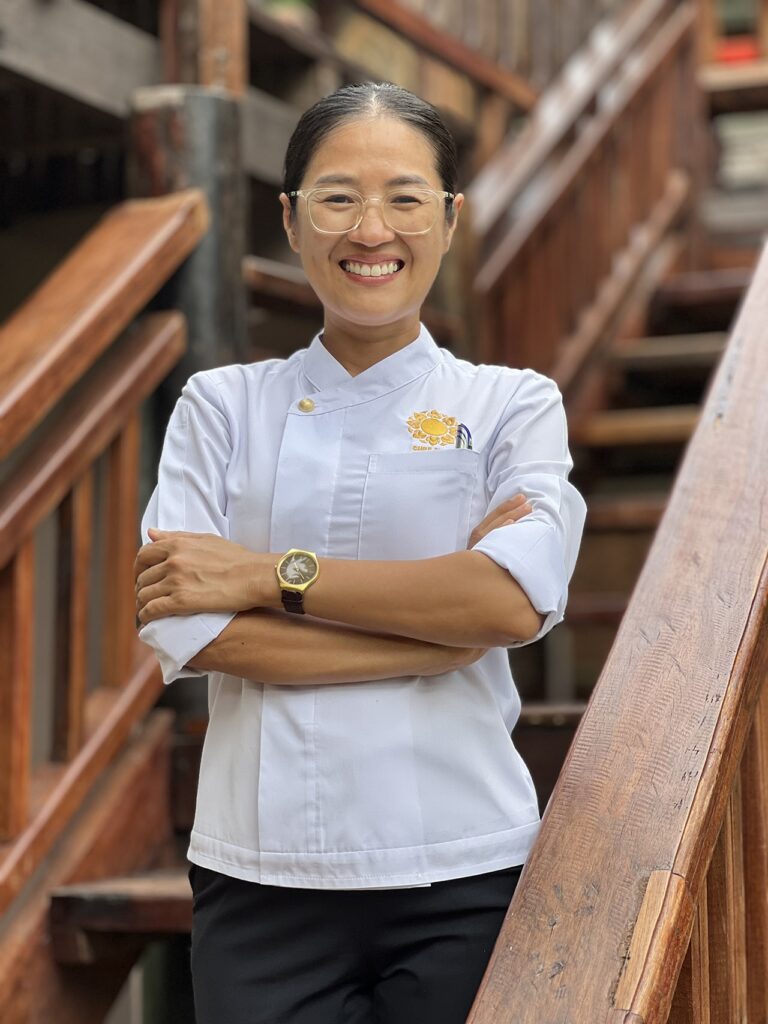
Chef Rotanak Ros

Celebrity Chef & Culinary Author

from Cambodia

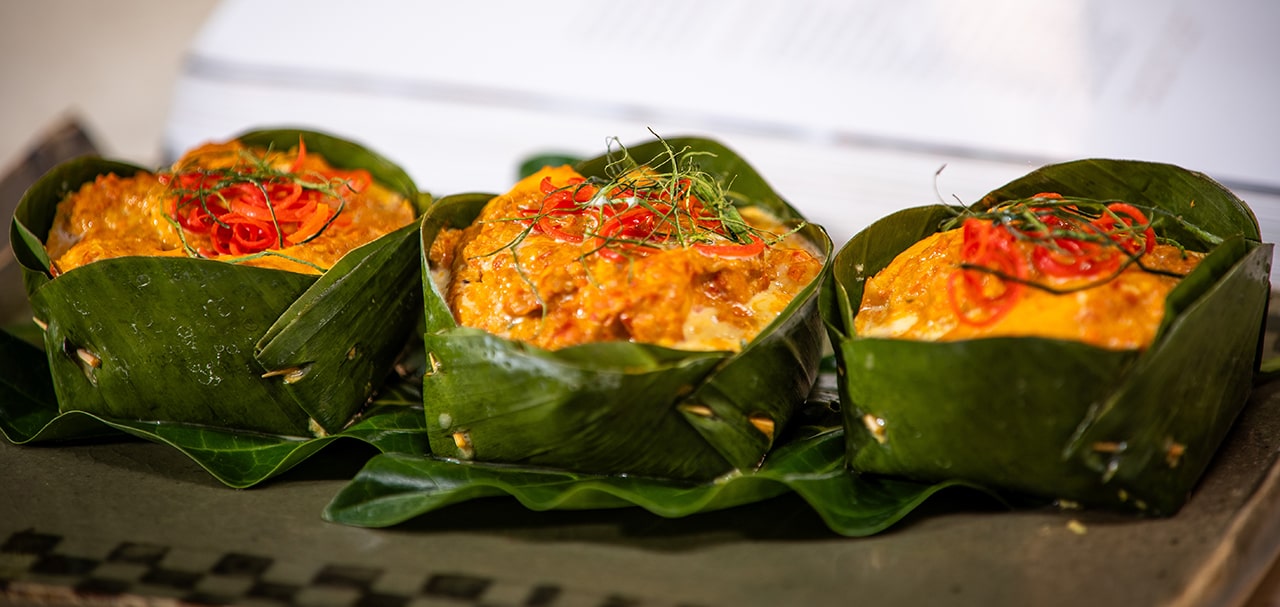
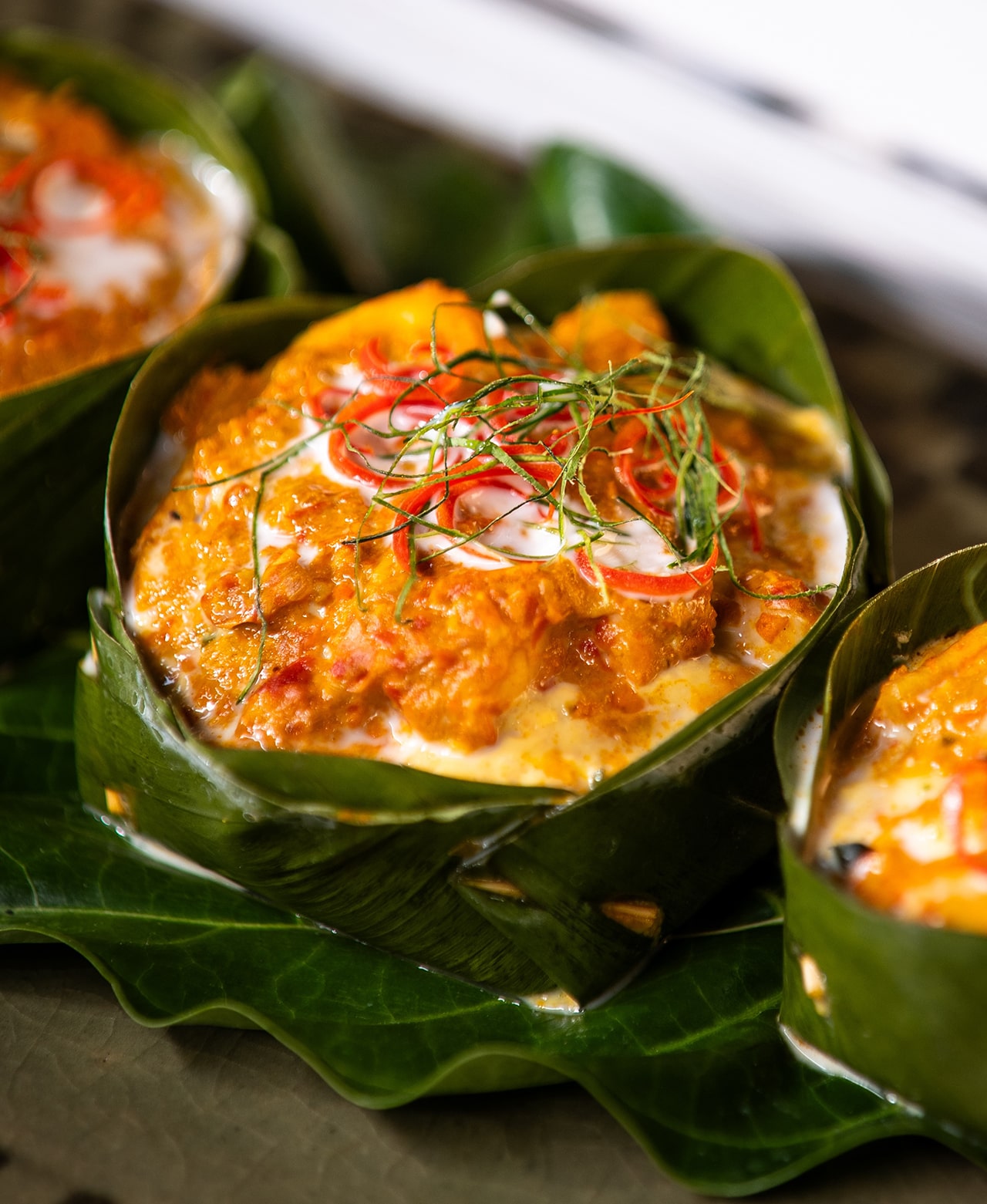
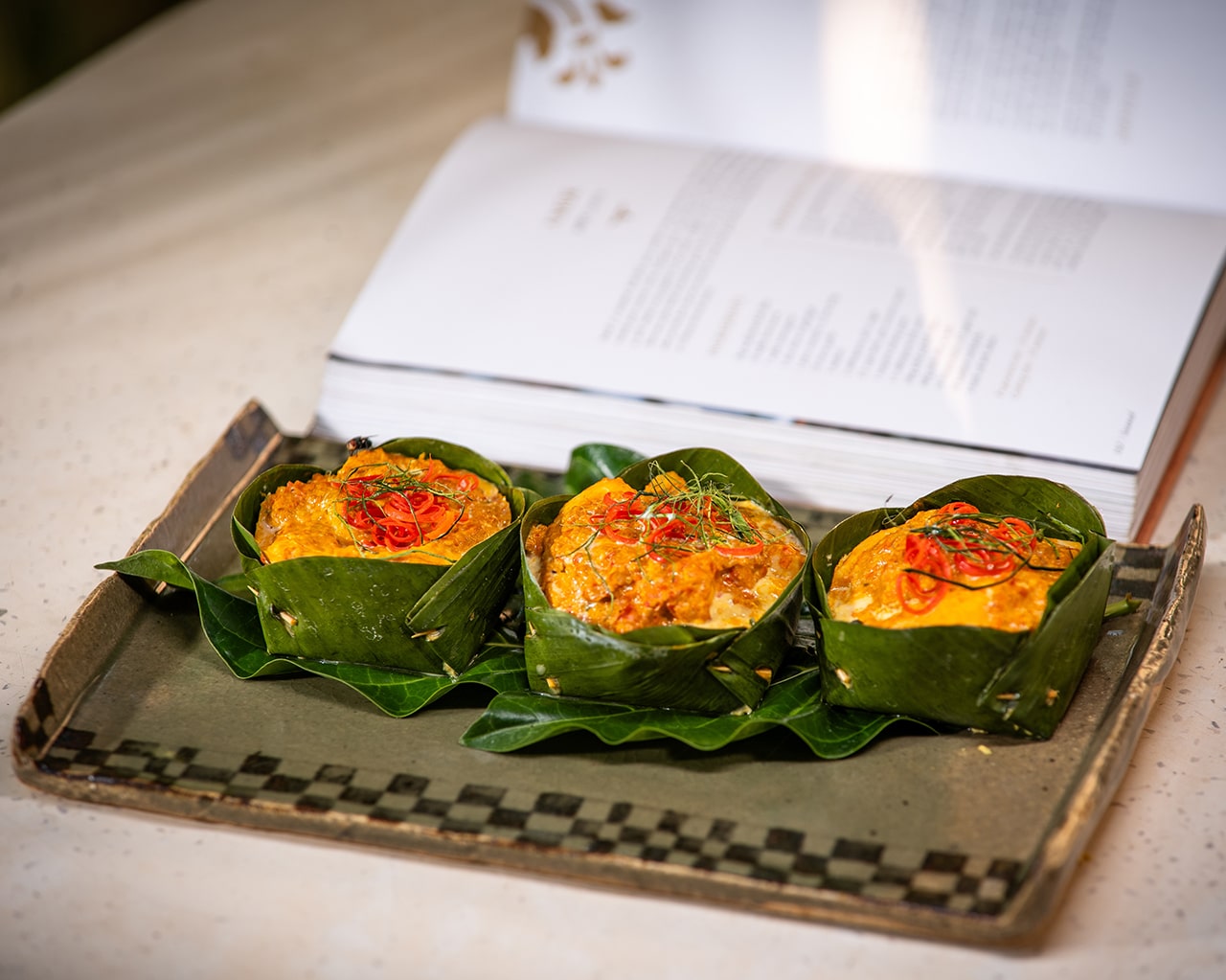
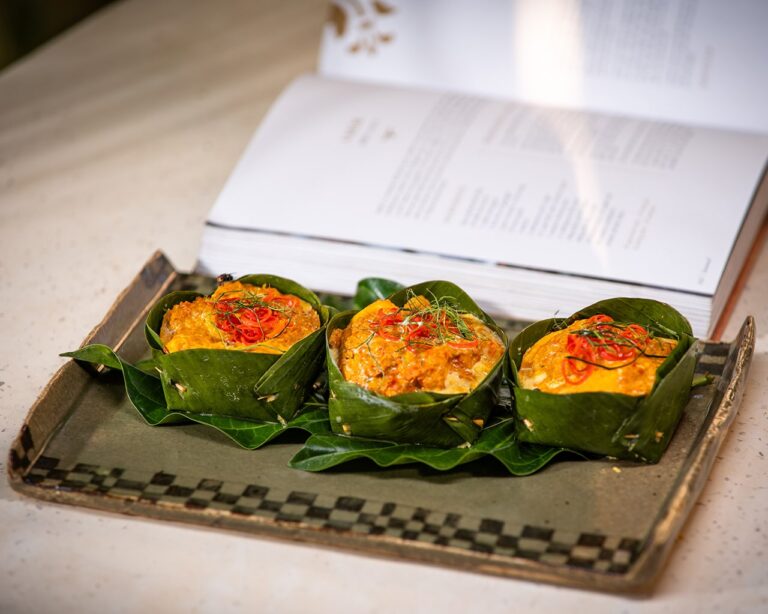
Cambodian Fish Amok

(A Living Taste of Heritage, Memory, and Future)

Cambodian cuisine is diverse, regional, and deeply connected to the land and seasons. It can be both intricate and straightforward, constantly revealing new layers of meaning and flavour. Even after decades of exploring it, I am still surprised by its depth. Too often, however, our cuisine remains overlooked, despite the Khmer Empire once being among the most influential in Southeast Asia. Sharing Cambodia’s culinary heritage with the world has become my calling, a way to illuminate its richness and resilience.

image of Cambodia flag
image of Cambodian Fish Amok

Cambodian Fish Amok

Ingredients:
  • 1 kg fish fillet (snakehead fish or any white, firm-flesh fish with mild taste)
  • 20 g Kreoung (Cambodian lemongrass paste) 
  • 320 g coconut cream (fresh preferred; if canned, ensure unsweetened)     
  • 80 g dried red cubanelle pepper paste 
  • 10 g shrimp paste 
  • 30 g palm sugar 
  • 5 g salt 
  • 2 eggs 
  • 1 long red pepper
  • 3 kaffir lime leaves
Preparation:

Fish & Garnishes
Cut the fish into 2-3 cm cubes. Reserve about 20 g of coconut cream for garnish. Take long red peppers, slice them in half lengthwise, remove the seeds, and shred the peppers into small strips. Place the strips in cool water to curl, then dry them with a paper towel and set aside for garnish. Shred the kaffir lime leaves into tiny strips and set them aside as well for garnish.

Mixture ofthe Amok
In a medium mixing bowl, combine the lemongrass paste, pepper paste, shrimp paste, sugar, salt, and eggs. Mix gently until the ingredients form a smooth paste. Next, add the coconut cream and stir until well combined. Then, add the fish and gently stir to ensure it is evenly coated with the paste. Let the mixture rest for 15-20 minutes. 

Banana Leaf Preparation
Cut 24 pieces of banana leaves into 15 cm circles and gently wipe both sides with a clean, wet cloth. Stack two of the cut leaves together with the shiny side facing out. Fold the leaves inward to form four corners and secure each corner with toothpicks to create bowls. Fill the folded banana leaf bowls with the Amok mixture, filling them up to 80%. 

Steaming the Amok
In a steamer, bring water to a boil. Carefully place the Amok bowls in the steamer racks and close the lid, allowing the steam to cook for 10 minutes. After 10 minutes, remove the lid and add a teaspoon of coconut cream on top of each Amok, along with a pinch of shredded kaffir lime and a few strips of red pepper. Cover the lid again and continue cooking for an additional two minutes.

Serving
Now you have a delightful, creamy, and aromatic Amok, ready to enjoy with friends and family. It is best served warm with steamed rice. 

Serving: 4–6 people


Meet the Chef

Chef Wira Hardiyansya

Tukang Masak

from Indonesia

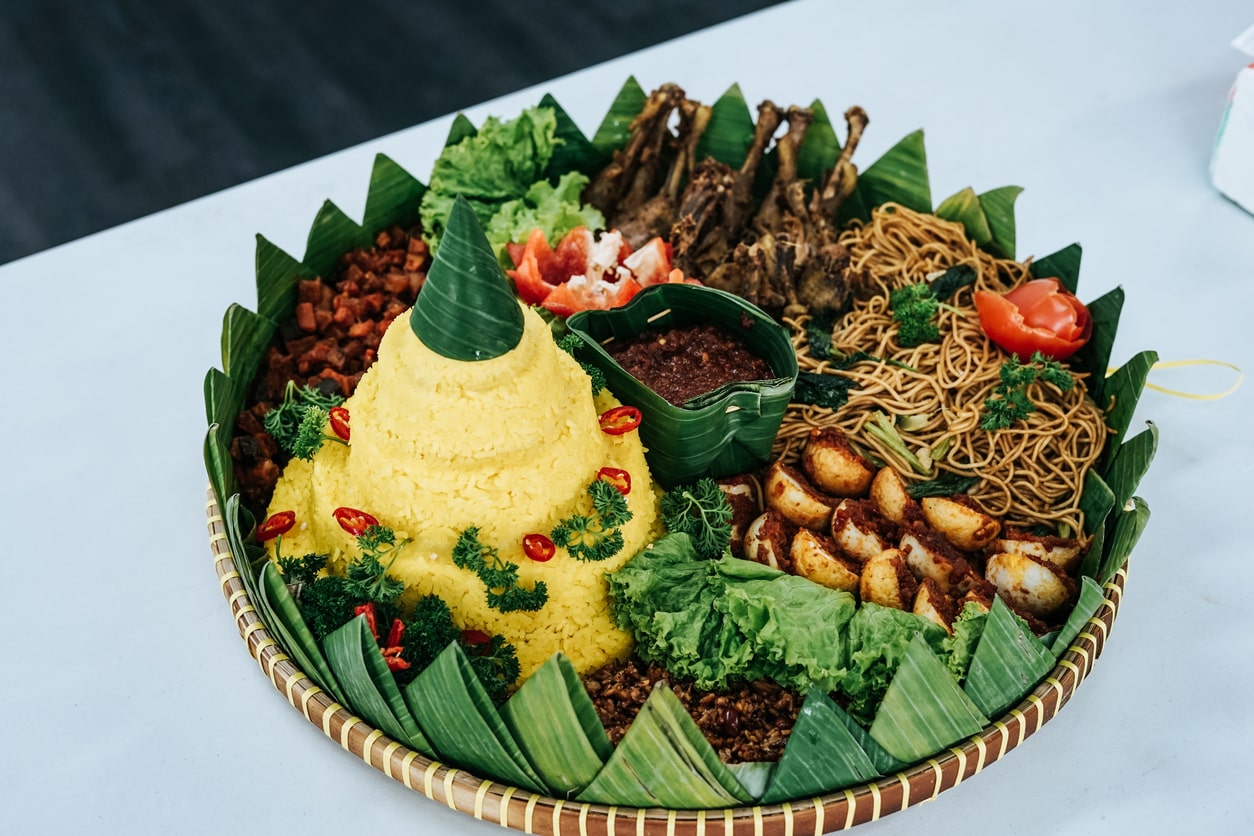
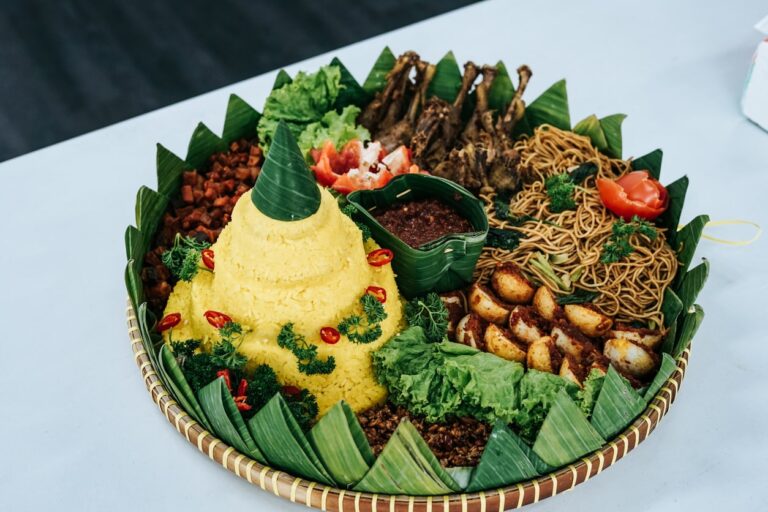
Tumpeng

The Philosophical Significance of Indonesia

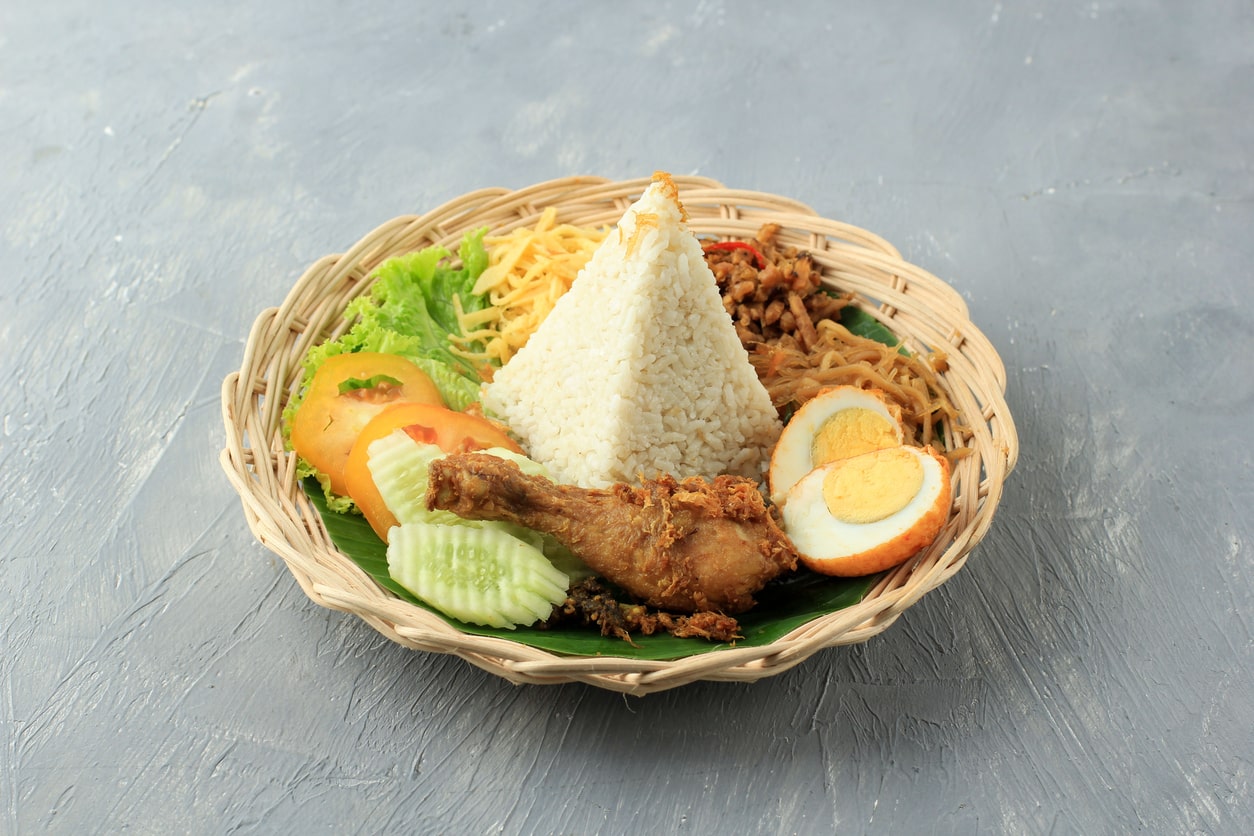
As a chef, I’ve always admired how tumpeng represents more than just food; it’s a symbol of gratitude, community, and faith. This cone-shaped rice dish, typically made with fragrant yellow nasi kuning, takes centre stage at the heart of Indonesian celebrations. Its shape is inspired by Mount Mahameru, the sacred home of the gods in ancient Javanese belief, evoking our connection to the divine and the balance between humanity and nature.

image of tumpeng

Tumpeng

Ingredients:
  • 2 cups white jasmine rice, washed and drained
  • 1½ cups water
  • 1 cup coconut milk
  • 1½ tsp turmeric powder
  • 3 pandan leaves, knotted
  • 1 lemongrass stalk, bruised
  • 4 kaffir lime leaves
  • ½ tsp salt
Preparation:

Rice Cooker Method
Add all ingredients to the rice cooker and stir to combine. Set to the regular cooking mode. Once finished, open the lid and fluff the rice gently with a fork. Close the lid again and allow the rice to steam for an additional 10 minutes before serving.
Stovetop Method

In a large pan or pot, pour in the coconut milk and water. Add all the remaining ingredients and stir to combine. Bring the mixture to a boil, then reduce the heat and cook until all the liquid is absorbed. Turn off the heat and transfer the rice to a steamer. Steam until the rice is fully cooked and tender.

Serving
Serve warm as a fragrant and flavorful side dish to curries, grilled meats, or stews.

Serving: 4–6 people


Meet the Chef

Chef Soudalath

from Lao PDR

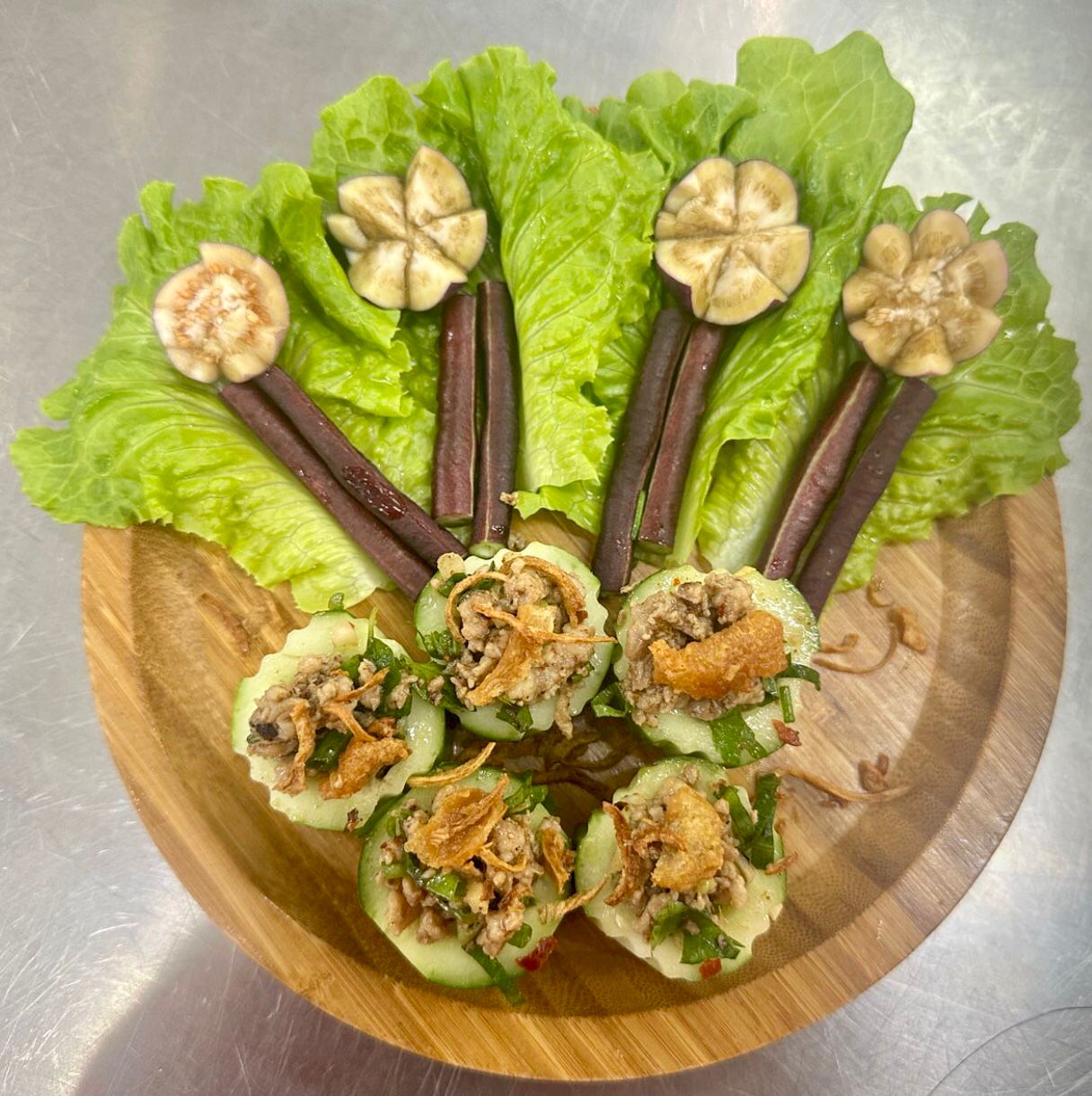
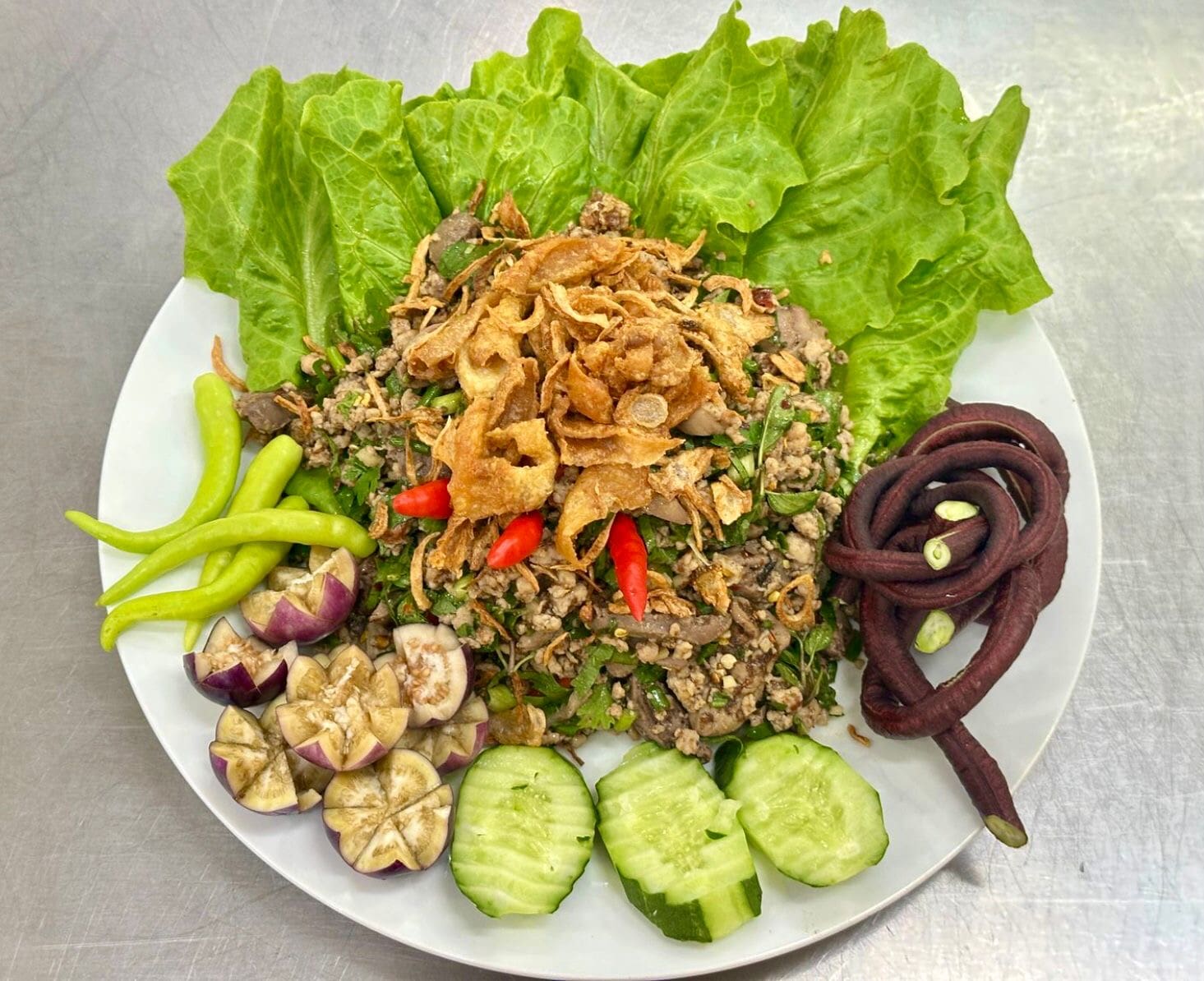
Lap Kai - Chicken Lap

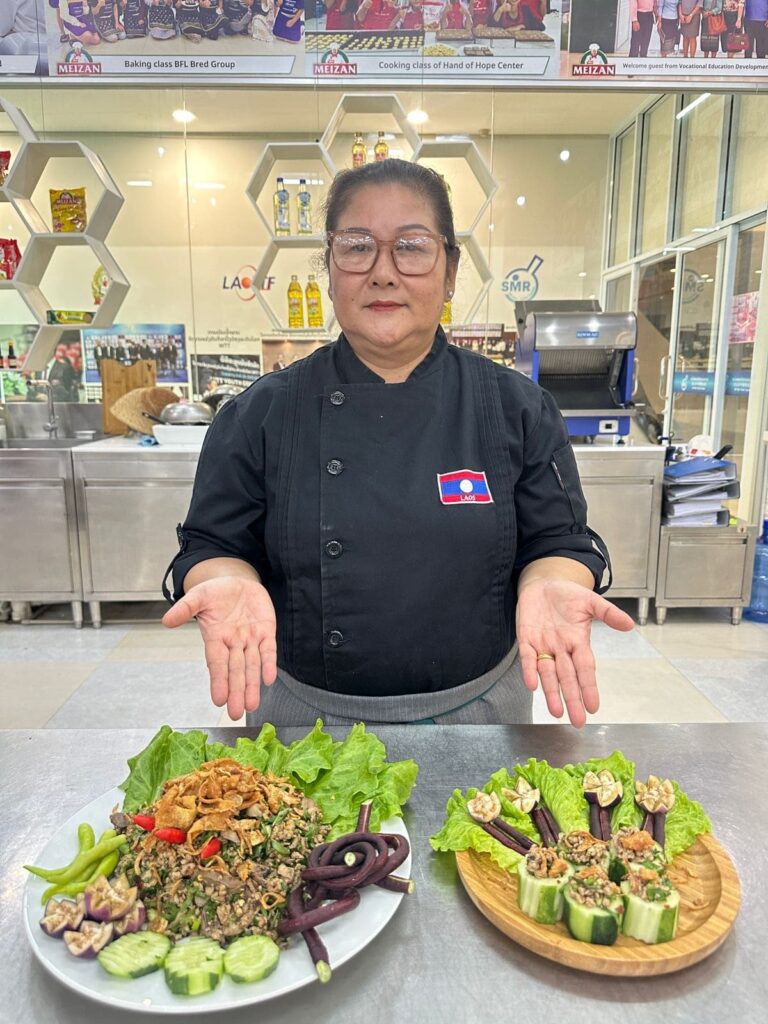
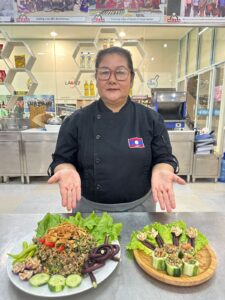
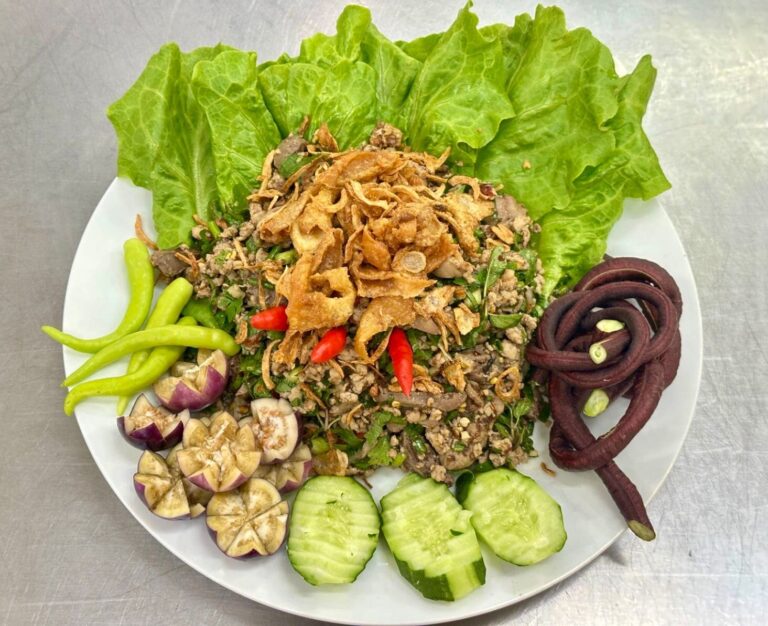
Larb Kai is a signature dish of Lao cuisine and is often spelt “lap.” Everyone in Lao PDR has a passion for cooking it since it is a recipe passed down through generations. Whether it’s a wedding, a housewarming, or a traditional ceremony, we love making it because it’s an auspicious dish, easy to make, and delicious. Its simplicity is part of its beauty: fresh herbs, vibrant spices, and tender meat brought together in a way that feels both comforting and celebratory.

image of larb kai

Lap Kai - Chicken Lap

Ingredients:

Proteins
750g coarsely chopped chicken thigh meat
250g chicken liver
250g chicken heart
100g chopped chicken skin (for garnish)

Seasonings & Aromatics
3 tbsp boiled fish sauce
½ tsp salt
½ tsp turmeric powder
2 tbsp minced garlic
3 tbsp lemon juice
½ cup crushed dried chili flakes (adjust to taste)


Crunch & Texture
7 raw macadamia nuts
2 tbsp dried macadamia nuts
2 tbsp fried rice powder (toast rice until golden, pound)

Herbs & Greens
100g finely chopped hibiscus leaves
1 bunch dried hibiscus (lightly crushed)
50g of fresh leaf herb (or substitute with extra fresh herbs)
Cilantro, chopped
Scallion/green onion, chopped
Parsley, chopped

Optional Side Garnishes
Eggplant (sliced)
Cucumber (sliced)
Long beans
Lettuce
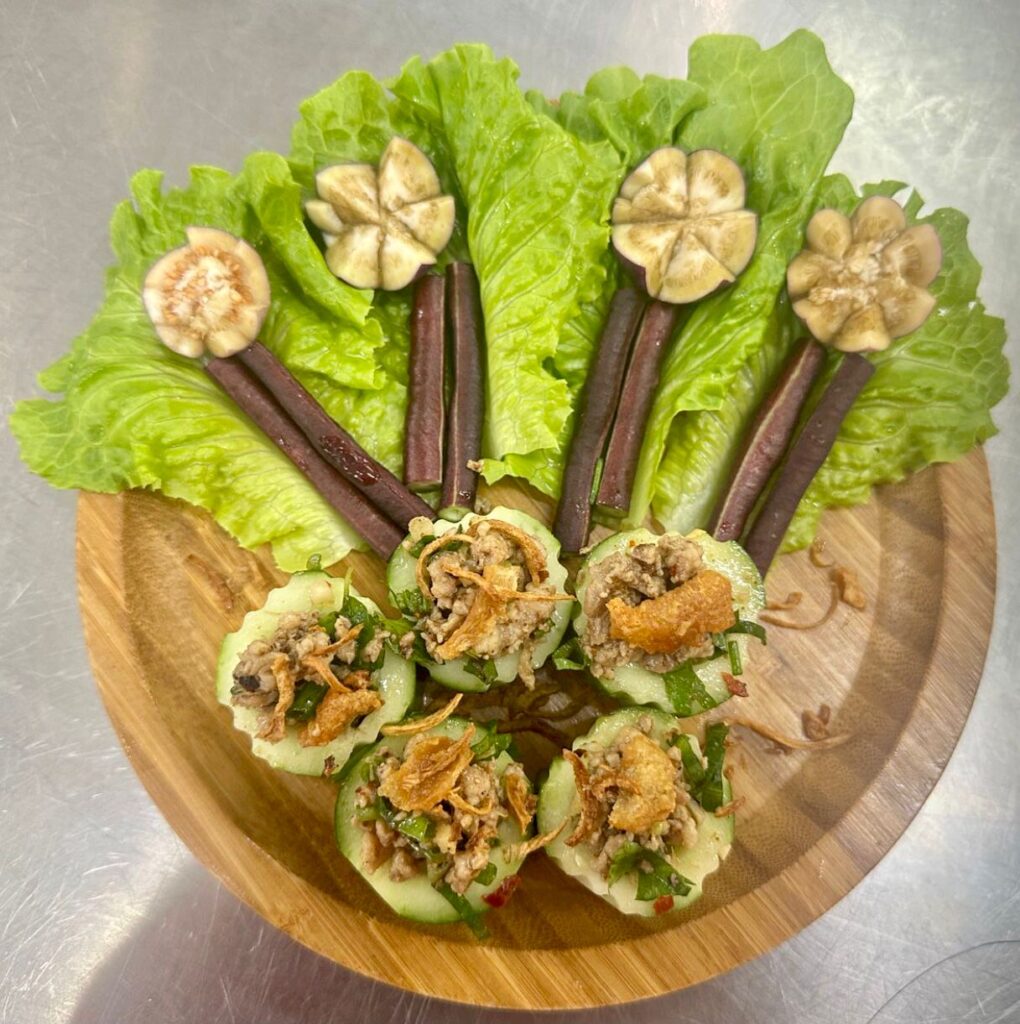
image of larb kai

Preparation:

Prepare the fried rice powder
Toast uncooked rice in a dry pan until golden brown. Let cool, then pound or grind into a coarse powder. Set aside.

Prepare the macadamia mixture
Toast raw macadamia nuts lightly until fragrant. Combine with dried macadamia nuts and pound into a coarse crumble. Set aside.

Cook the chicken thighs
Heat a little oil over medium heat. Add the chopped chicken thigh meat and cook until fully done and lightly browned.

Add the chicken heart
Continue cooking until the hearts soften and are cooked through.

Add the chicken liver
Add the liver and cook gently until just cooked, without overcooking.

Season the meat
Add fish sauce, salt, and turmeric powder. Stir until fragrant and well combined.

Transfer and cool
Pour the cooked meat mixture into a large bowl. Allow steam to escape and let the mixture cool for 45–60 minutes, until warm but not hot.

Add aromatics and seasoning
Add the garlic, lemon juice, crushed dried chilli, and the macadamia mixture. Mix well to combine.

Add herbs and greens
Add the fried rice powder, chopped hibiscus leaves, dried hibiscus, lap herb, cilantro, scallion, and parsley. Mix thoroughly and adjust seasoning to taste.

Plate and garnish
Transfer to a serving plate. Top with chopped chicken skin, fresh chillies, and extra herbs.

Serve
Serve with sliced eggplant, cucumber, long beans, and lettuce on the side.


Meet the Chef

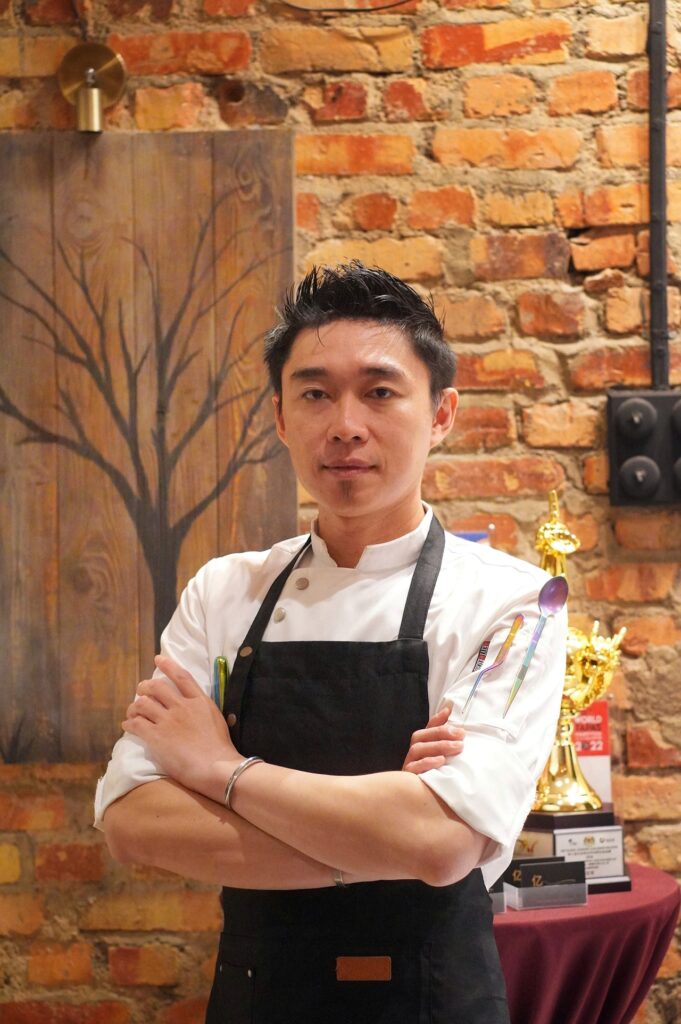
Chong Chian Fung

from Malaysia

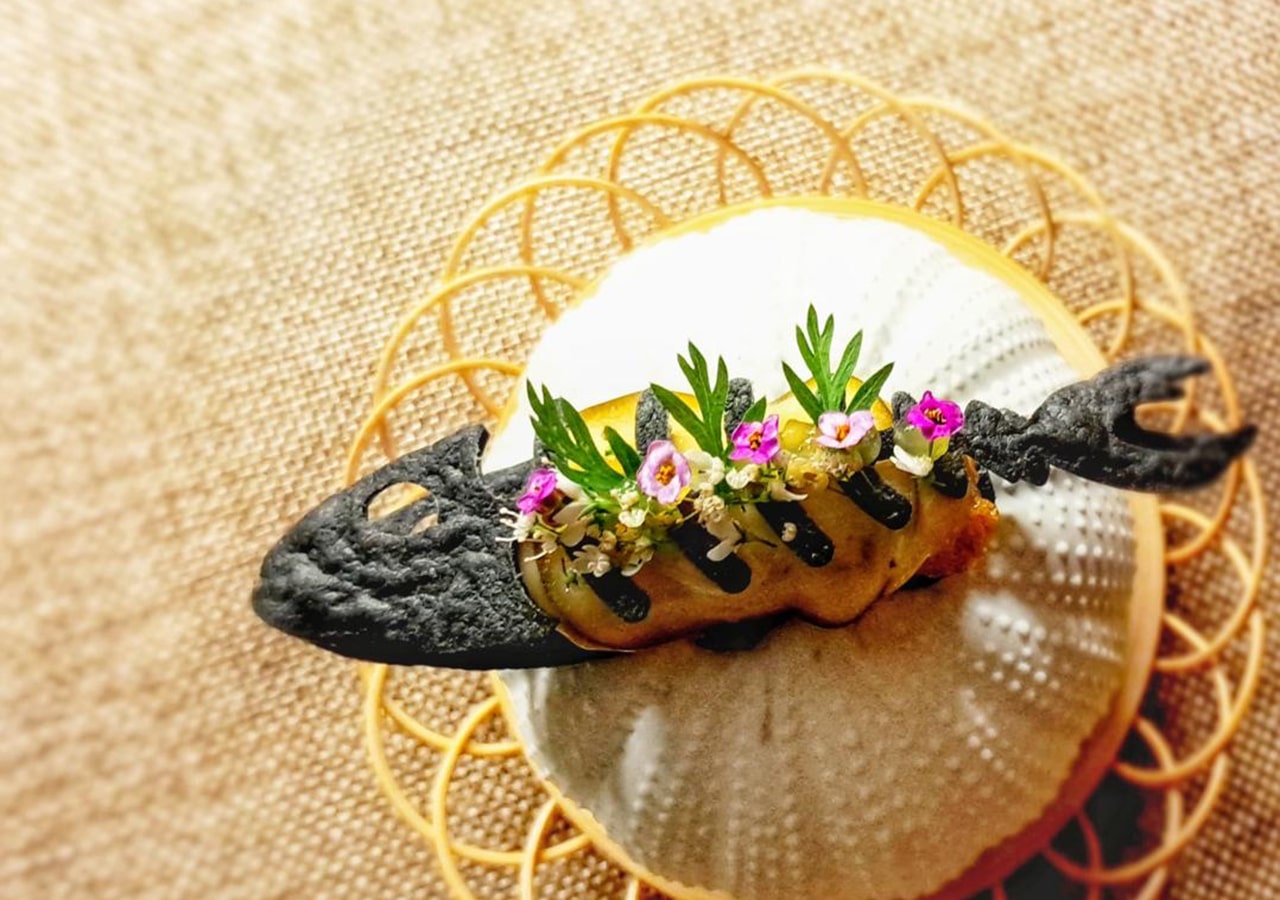
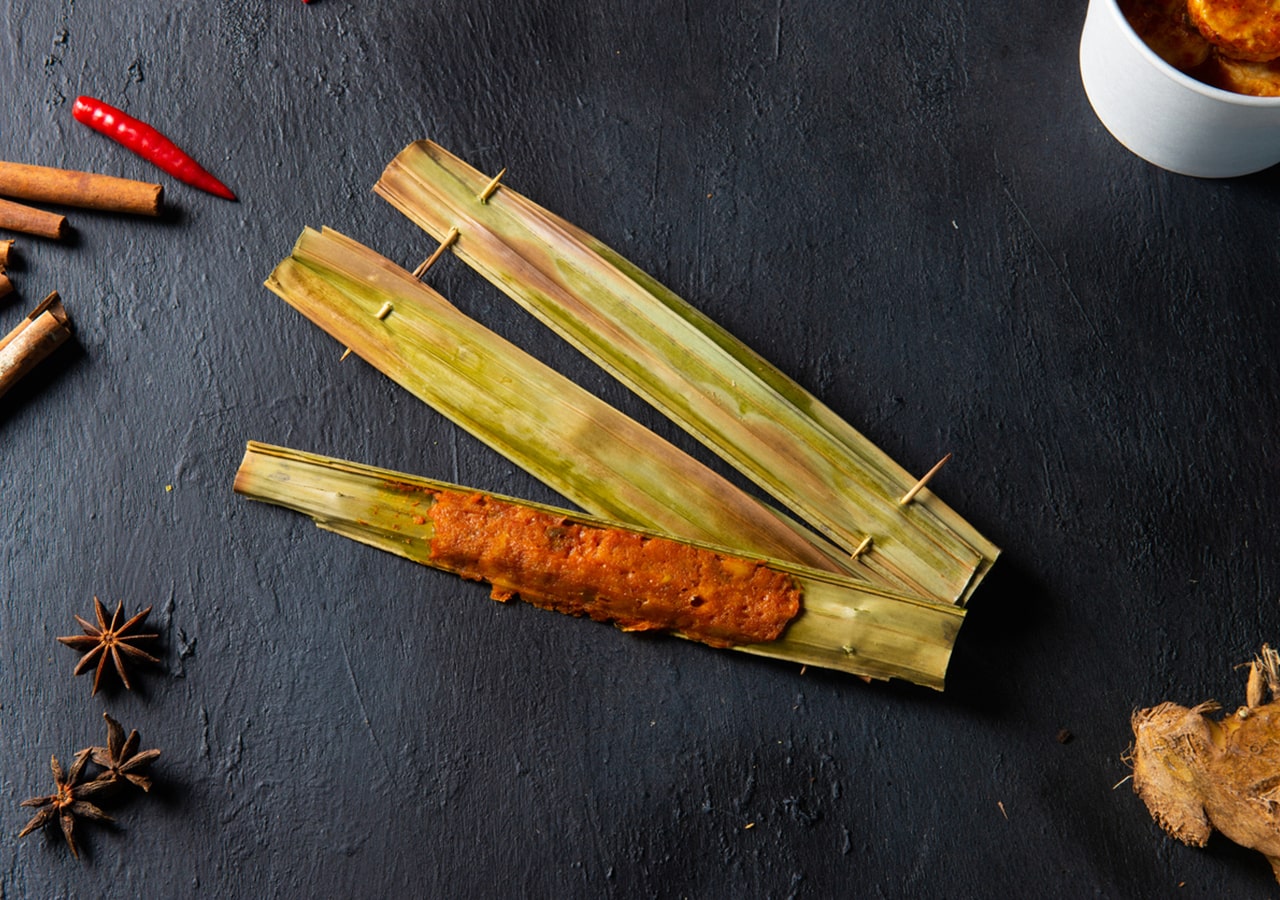
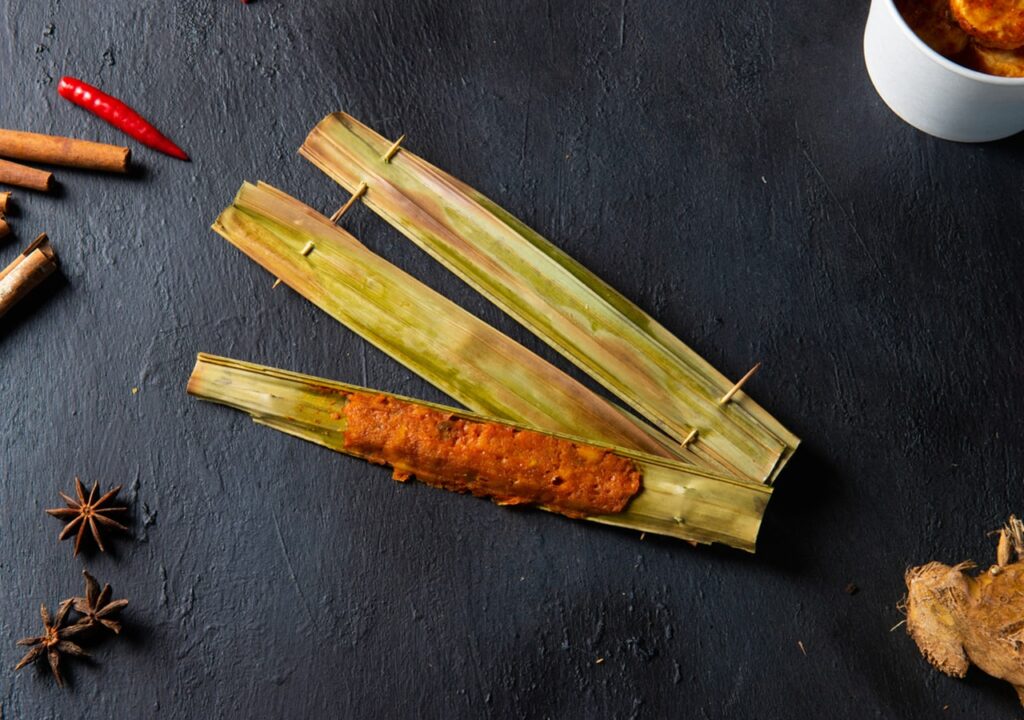
Mackerel Fish Otak

A Southeast Asian Tale of Smoke, Sea, and Citrus

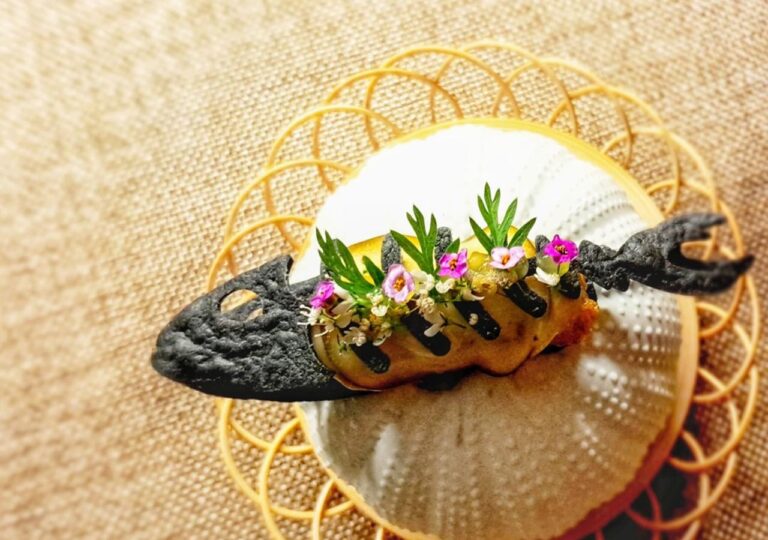
Otak-otak is a dish that carries the soul of the Malay Archipelago. It is smoky, spicy, and wrapped in the spirit of the place. Despite its name meaning “brain” in Malay and Indonesian, it’s simply a playful reference to its soft, custard-like texture. Traditionally made from fish, coconut, and spices, then grilled in banana leaves, otak-otak has long been a beloved street-food staple, blending the fragrance of the sea with the aroma of the jungle.

flag of malaysia
image of Mackerel Fish Otak

Mackerel Fish Otak

Ingredients:

Fish Paste

  • 600g fresh mackerel fillets, skin removed
  • 15g cilantro stems
  • 12g kaffir lime leaves
  • 200ml full-fat coconut cream
  • 1 large egg
  • 2 tbsp tapioca starch (or cornstarch)
  • 3 shallots, roughly chopped
  • 3 cloves garlic
  • 3–4 bird’s eye chilies (or 1 red chili for milder heat)
  • 1 stalk lemongrass (white part only), roughly chopped
  • 1-inch piece galangal
  • 1-inch piece ginger, peeled and sliced
  • 15g wild betel leaves
  • Salt, to taste

For Wrapping

  • Banana leaves (or parchment paper + aluminum foil as alternatives)
  • Toothpicks

image of Mackerel Fish Otak

Preparation:

Prepare the fish
Remove the skin and any fine bones from the fish. Cut into small pieces.

Prepare the banana leaves
Rinse the banana leaves and pat dry with paper towels. Trim any yellowing or dark edges, and remove the thick central spine.

Cut and soften the leaves
Cut the banana leaves into rectangular parcels for otak-otak. Soften the leaves by passing them briefly over a low flame, until soft and pliable. Set aside.

Blend the fish paste
In a food processor or blender, add the fish cubes, all the ingredients and spices blend as much as possible until mix well, smooth, thick and creamy paste forms. Use a spatula to scrape down the sides to ensure everything is evenly blended; there should be no chunky bits of aromatics.

Prepare the parcels
Place a banana leaf with the matte, lighter green side facing up. Spoon about 2 tablespoons of the fish paste onto the center of the leaf, do not add too much!

Fold and secure
Fold the banana leaf lengthwise over the paste. You may fold the edges inward to form a secure parcel but this is optional. Use toothpicks to secure both ends. Repeat with the remaining fish paste and banana leaves.

Grill the otak-otak
Preheat grill to medium heat. Place the otak-otak parcels directly on the grill grates. Cook for 5-to-7 minutes on each side until the banana leaves are slightly charred and the custard is film and is ready to be served.

Serve
Otherwise, trim into small rectangular or desired size for plating.


Meet the Chef

Chef Orng

Echo Dining

from Myanmar

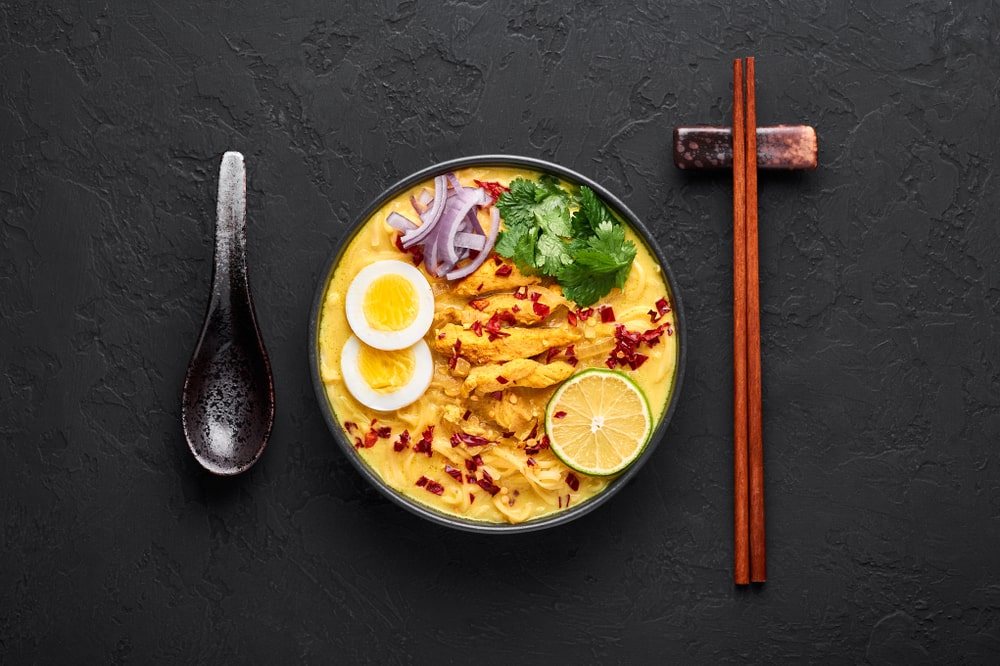
Ohn No Kout Swel

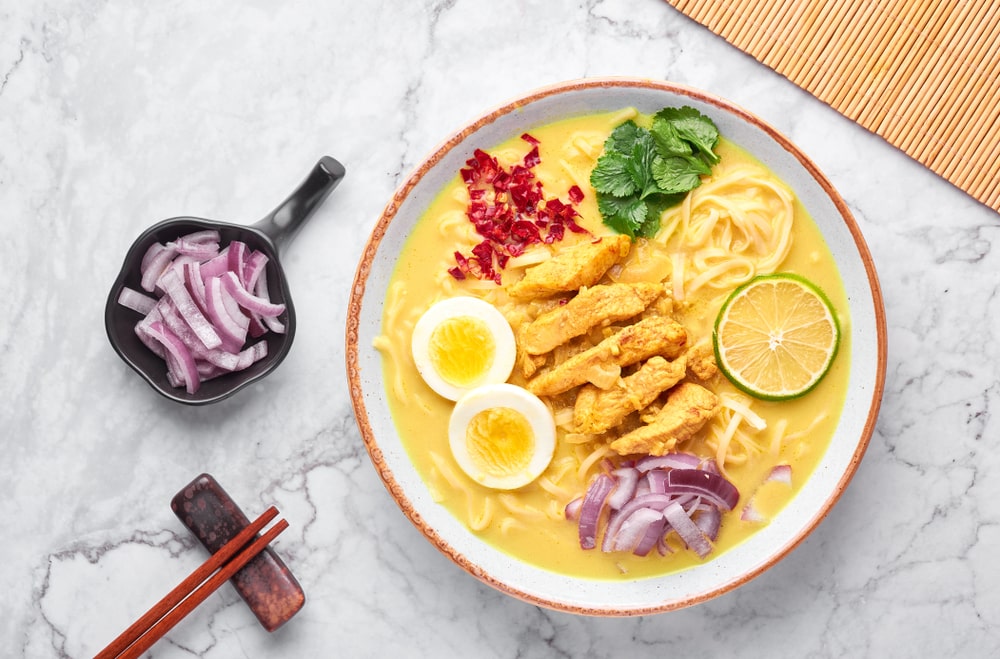
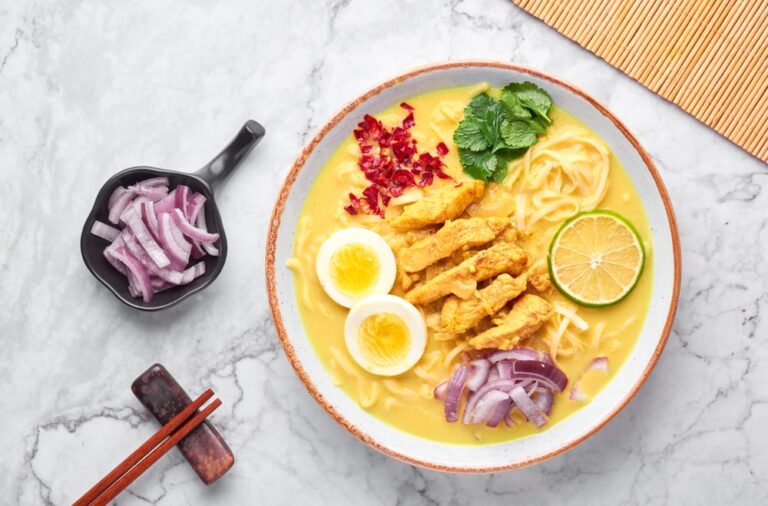
No one knows for sure where the dish originates. If you dissect its foundational ingredients, which are chicken, coconut, and chickpeas, you can infer that the dish has South Asian influences, with the coconut and aromatic trinity, and Indian influences, with the chickpeas. For as long as I’ve been alive, it has been a favourite among nearly all Myanmar locals.

myanmar flag
image of Ohn No Kout Swel

Ohn No Kout Swel

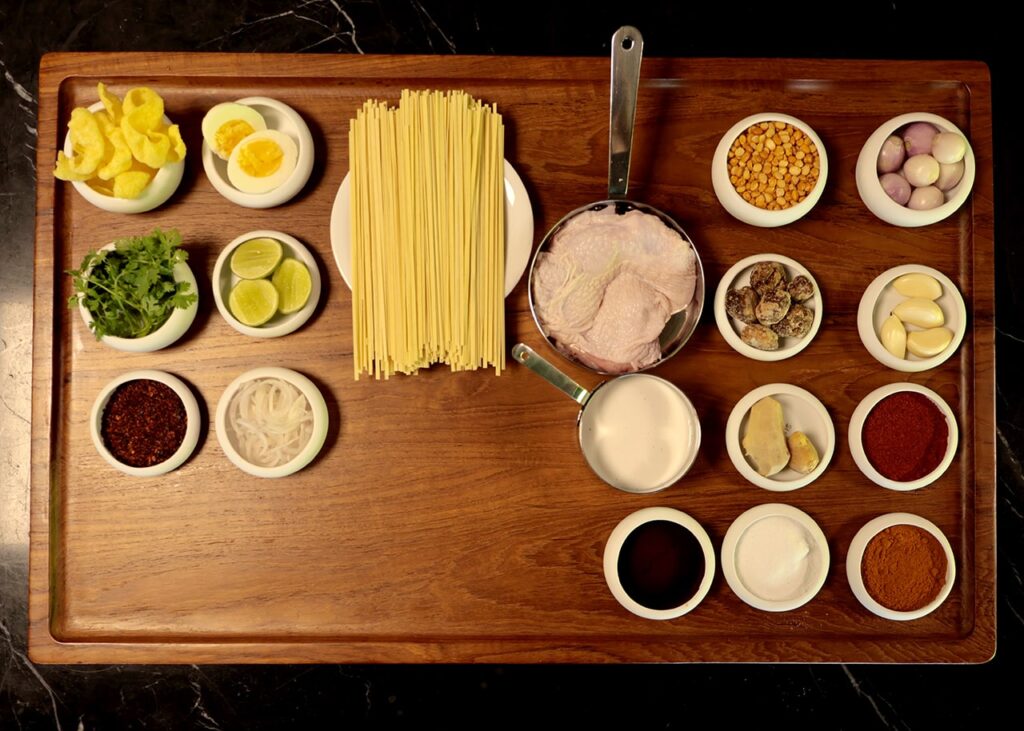
Ingredients:

For the Soup

  • 2 skinless, boneless chicken thighs, diced
  • 100 g dry yellow lentils
  • 2 L water
  • 20 g cooking oil
  • 10 g garlic
  • 5 g ginger
  • 10 small whole peeled shallots (2 for aromatic paste, 8 for soup)
  • 1 tsp paprika
  • ½ tsp turmeric
  • 10 g dark jaggery
  • 100 ml coconut milk
  • Salt to taste
  • Fish sauce to taste

For Plating and Garnish

  • 200 g dried egg noodles
  • Fried yellow noodle crisp (optional)
  • Cilantro to taste
  • 2 soft-boiled eggs (7 minutes; one half per person)
  • 1 lime, quartered
  • Thinly sliced shallots
  • Toasted chili flakes to taste

image of Ohn No Kout Swel

Preparation:

Soak the dry yellow lentils for 1 hour, until it swells.

Marinade your chicken thighs. Dice them into small cubes and season with salt and pepper, and a splash of fish sauce. Set aside.

Strain the lentils and boil on high heat with one litre of water until soft, about 1 hour.

Pound your aromatics (garlic, ginger and two shallots) I n a mortar and pestle until a fine paste.

Check on your lentils. Once they are soft, blend the boiled lentils along with the water until smooth. Set aside for now, while you cook the diced chicken.

On low heat, add your oil. Once hot, add your aromatic paste and sauté until fragrant. Once fragrant, add turmeric, paprika and jaggery. Sauté until it all comes together and you can smell the caramel of the jaggery.

At that point, you can add the chicken and sauté until the chicken is no longer pink. Add the coconut cream and sauté until you can smell the coconut.

Add the blended lentils along with one more litre of water.

Let it come to a roaming boil and add your remaining peeled shallots.

After 5 minutes on a rolling boil, lower the heat and let it simmer. Add salt and fish sauce to adjust the seasoning to your taste.

Keep on a low simmer until the shallots are cooked through. Once cooked through, the soup is ready!

While the soup simmers, boil your dried egg noodles. Once soft, strain and run some oil through them to keep them from sticking.

Prep your garnishes: thinly slice your shallots, quarter your limes and boil and peel and halve your soft boiled eggs. (After 7 minutes of boiling the eggs, don’t forget to dunk them in ice water after to shock the shell off the boiled eggs.) Set aside all the garnishes.

Once the noodles, soup and garnishes are done, you are ready to serve!

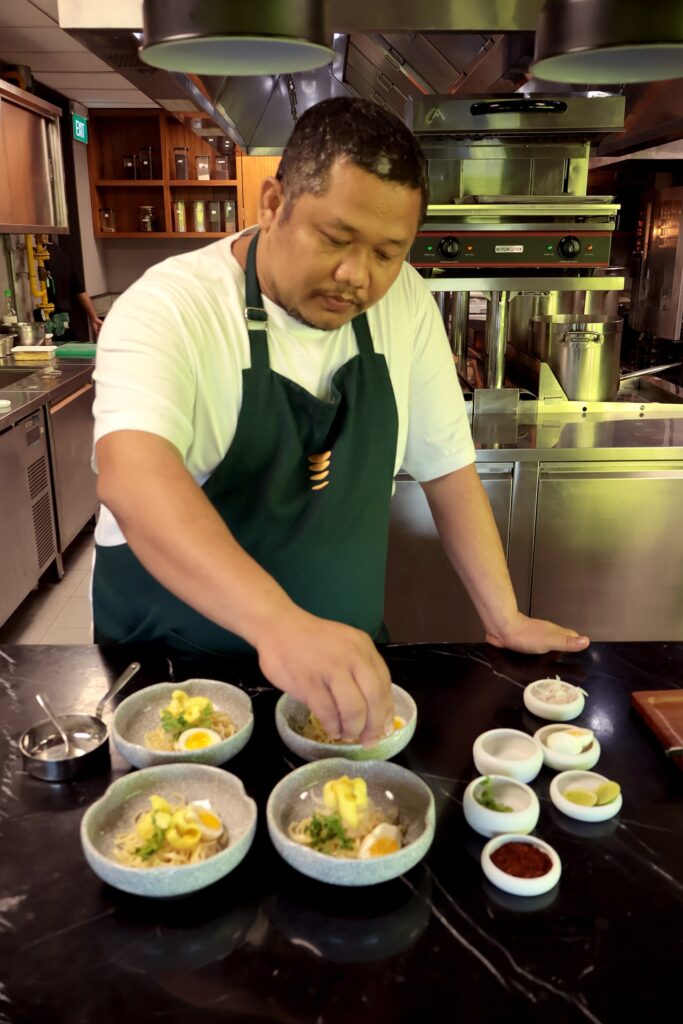
Place your desired amount of noodles into a bowl. Top with sliced shallots and toasted chilli flakes to your liking and half an egg. Ladle the soup over to your desired amount. Squeeze a quarter of lime and you are ready to eat.


Meet the Chef

Chef Rolando Laudico

Guevarra's

from the Philippines

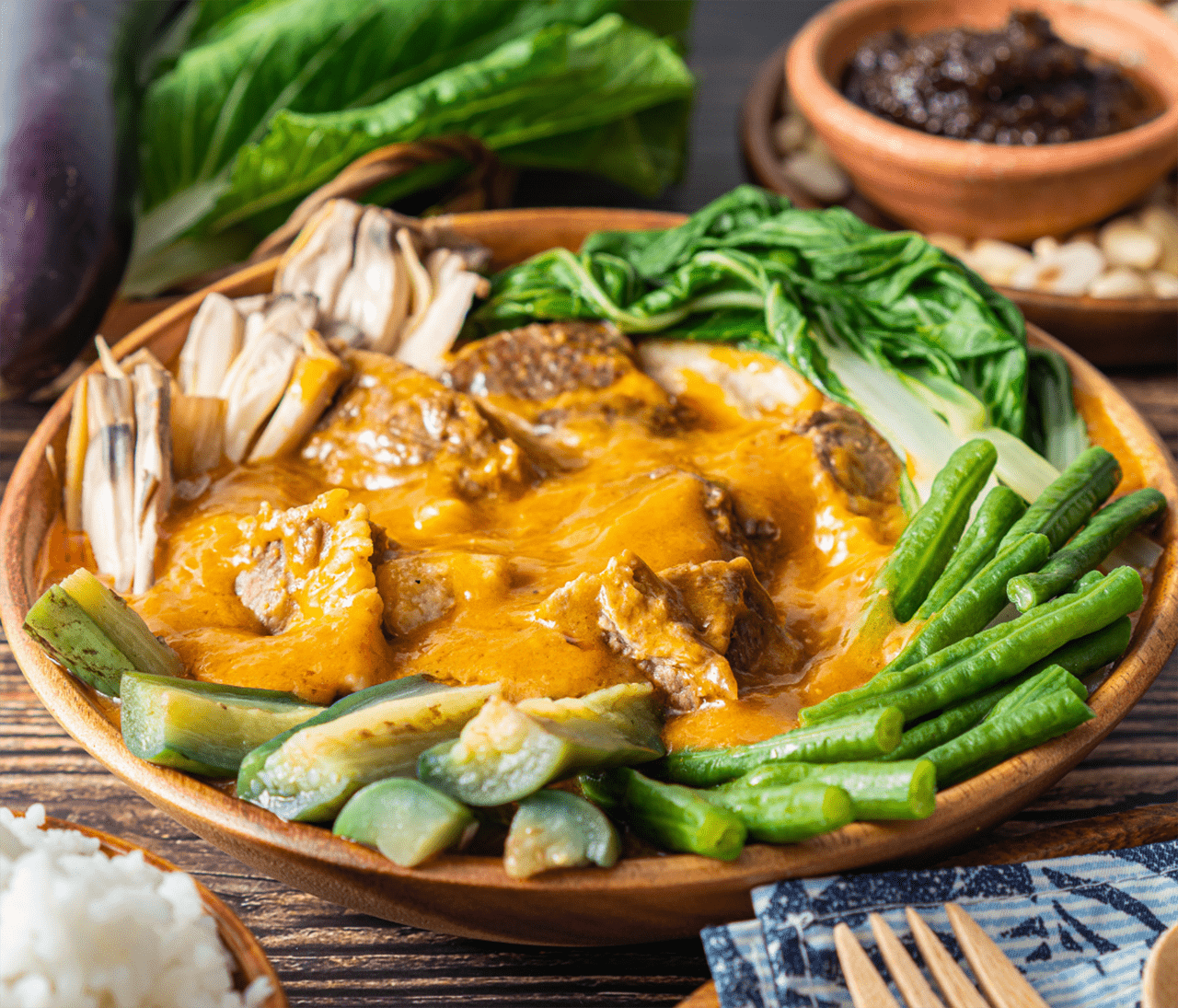
Kare Kare

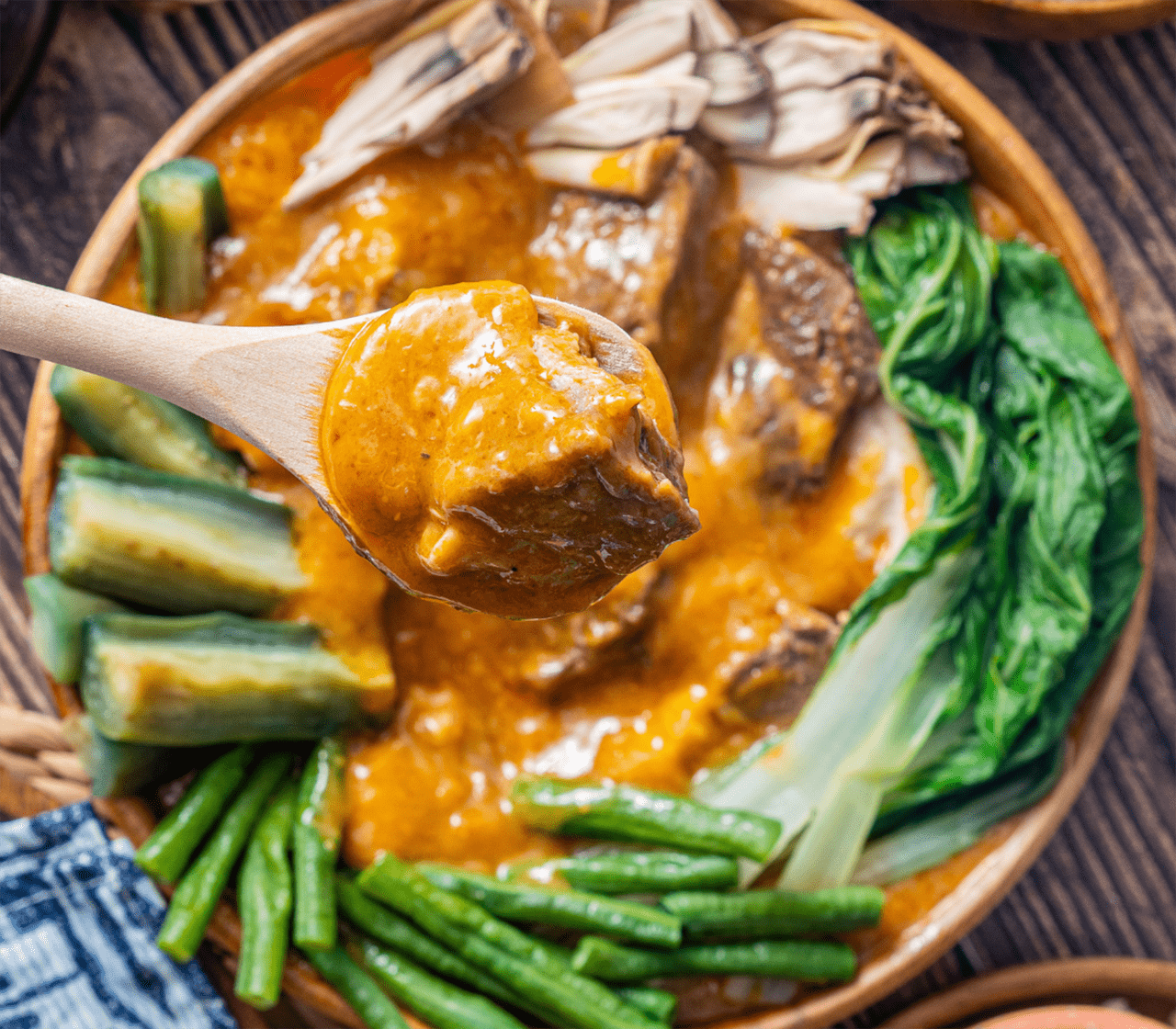
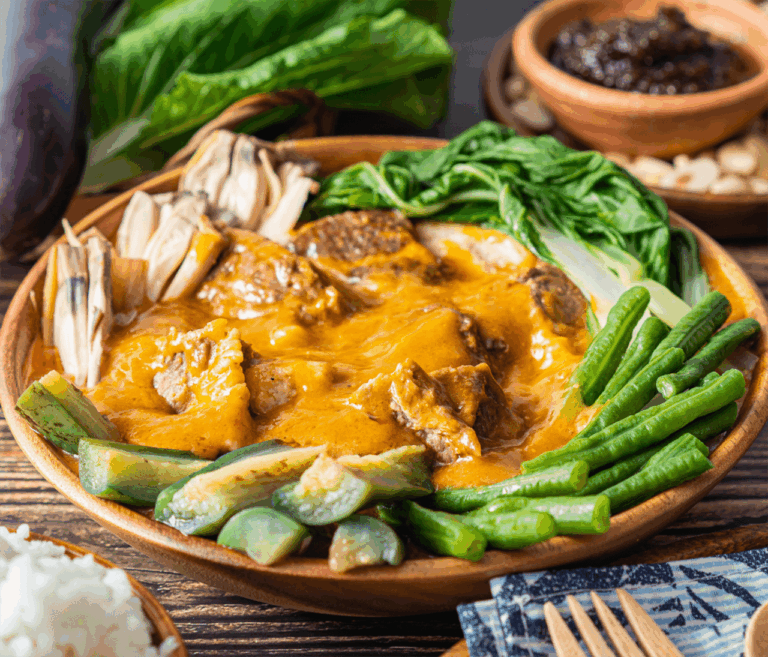
Kare-Kare is one of the most celebratory dishes in the Philippines, as it’s always present during special occasions. It’s one of those dishes that is heavily influenced by Southeast Asian cuisine, featuring ingredients like peanuts, annatto seeds, and fermented shrimp paste.

image of kare kare

Kare Kare

Ingredients:

For the Kare Kare & Sauce

  • 1 kg beef (ox tail and beef chunks)
  • 250 g beef tripe (optional)
  • 250 g skinless peanuts (toasted or fried, pounded into a paste or blended in a food processor)
  • 50 g rice (raw, toasted, and ground; or substitute with rice flour)
  • ½ cup achuete oil (made by gently frying 4 tbsp annatto seeds in ½ cup oil until fragrant and dark orange, then strained)
  • 1 cup onion (small dice)
  • 1 head garlic (minced)
  • 1–2 tbsp patis (fish sauce)
  • 1–2 tbsp bagoong (salted shrimp paste)
  • 5 cups stock (from simmering beef and tripe)

For the Vegetables

  • 1 banana heart (trimmed and sliced)
  • 250 g sitaw (long beans, cut into 2-inch pieces)
  • 2 eggplants (large, sliced into 2-inch pieces)
  • 4 bunches petchay (or bok choy)
  • Salted water for boiling
  • 1 tsp salt

For Garnish

  • ½ cup shrimp paste (served as a side condiment)
image of kare kare

Preparation:

Vegetables
In a large pot, bring salted water to a boil. Blanch the sitaw, petchay, and eggplant in batches for about 2 minutes each, then set aside. Finally, cook the banana heart for about 5 minutes or until tender. Set all vegetables aside.

Beef & Tripe Preparation
Wash the ox tail, beef chunks, and tripe thoroughly to remove any impurities. In a large pot, combine the ox tail and beef with enough water to cover. Add 1 tsp of salt and bring to a boil. Reduce the heat and simmer for about 1 hour, or until the beef is tender. Strain the meat and set aside to cool. Reserve 4 cups of the stock for the sauce.

In a separate pot, simmer the tripe in water with ½ tsp salt for about 1 hour, or until tender. Keep adding water as needed. Reserve 1 cup of this tripe stock for the sauce.

Cooking the Kare Kare
In a large pot, heat the achuete oil over medium heat. Add the ox tail and beef chunks and brown them lightly. Add the onions and garlic and sauté for 2 minutes or until golden and fragrant. Stir in the bagoong and patis and cook for another 2 minutes.

Add the tripe, 4 cups of beef stock, and 1 cup of tripe stock. Simmer for 10 minutes. Add the ground peanuts and ground rice (or rice flour diluted with a little water) and continue simmering until the sauce thickens.

Serving
Add the cooked vegetables to the pot and mix gently to coat them with the sauce. Serve warm with steamed rice and shrimp paste on the side as a condiment.

Serving: 4–6 people


Meet the Chef

Chef Aven Lau

Épure

from Singapore

Laksa

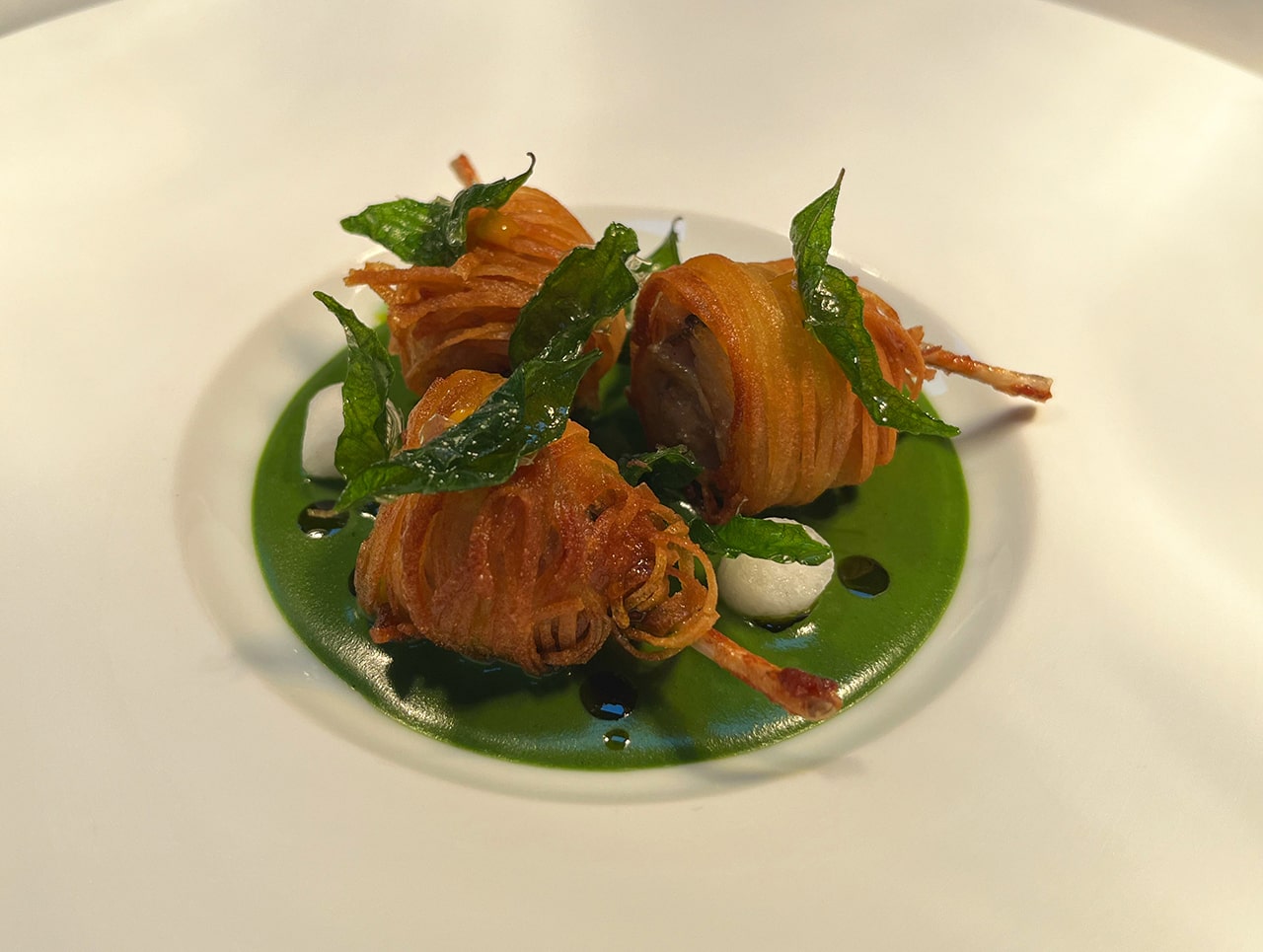
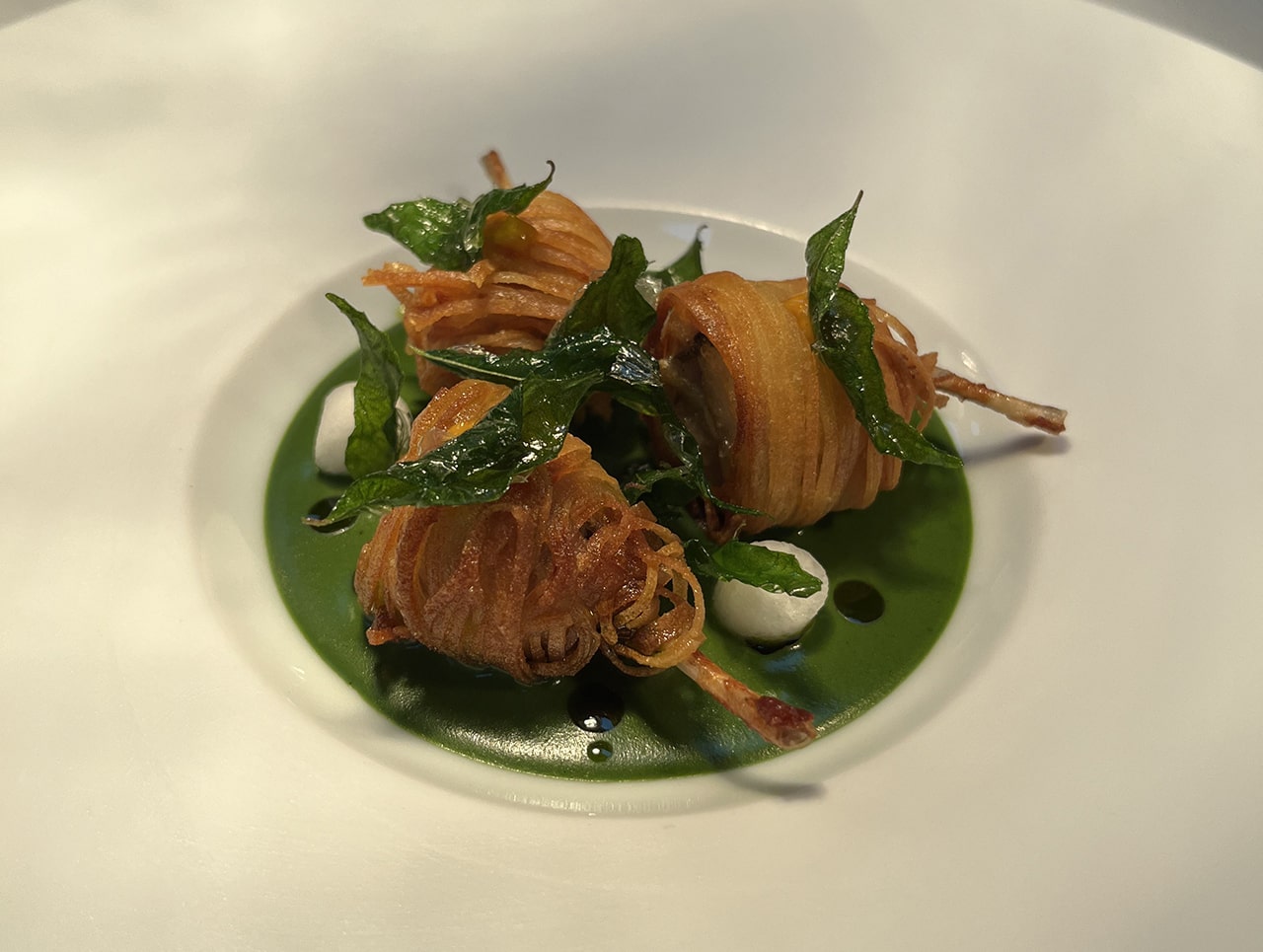
Growing up in Singapore, I was surrounded by the incredible flavours of laksa, one of our beloved noodle dishes. What makes laksa special is the laksa leaves, Vietnamese mint, which gives it a distinctive herbal kick.

image of laksa

Laksa

Ingredients:
  •  20 g ginger
  • 20 g shallots
  • 60 g lemongrass
  • 100 g cashew nuts
  • 60 g garlic
  • 120 g laksa leaves
  • 100 g spinach leaves
  • 500 g water
  • 100 g whole butter
  • 75 g fish sauce
  • 5 g sugar
Preparation:

Leaf Preparation
Pluck the laksa leaves, discarding the stems, and reserve only the leaves. Wash and dry them thoroughly. Do the same for the spinach leaves and set both aside.

Aromatics
Finely chop the ginger, garlic, shallots, and lemongrass. In a rondeau, lightly melt the butter over low heat. Add the chopped aromatics and sweat them gently until soft and fragrant, being careful not to let them take on any color.

Laksa Mixture
Once the aromatics are tender, add the laksa leaves, spinach leaves, and cashew nuts. Stir lightly over heat until the leaves begin to wilt. Add the water and bring the mixture to a gentle boil.

Blending & Seasoning
Transfer all the contents into a high-speed blender and blend thoroughly until smooth. Add the fish sauce and sugar, then adjust seasoning to taste.

Serving
Serve immediately as a rich, aromatic laksa broth. It can be enjoyed on its own or used as a flavorful base for noodles or seafood.

Serving: 4–6 people


Meet the Chef

Chef Sommay Jaijong

from Thailand

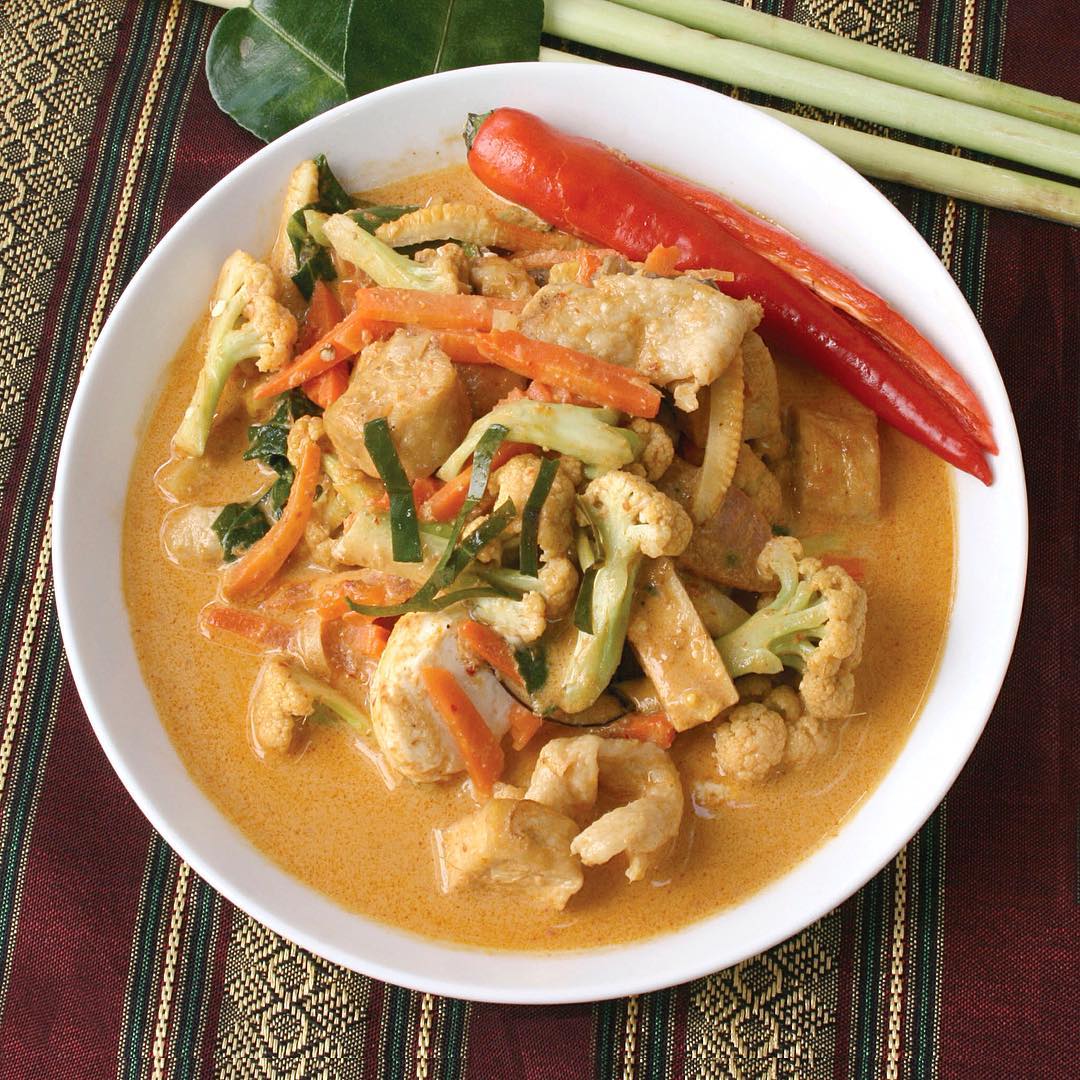
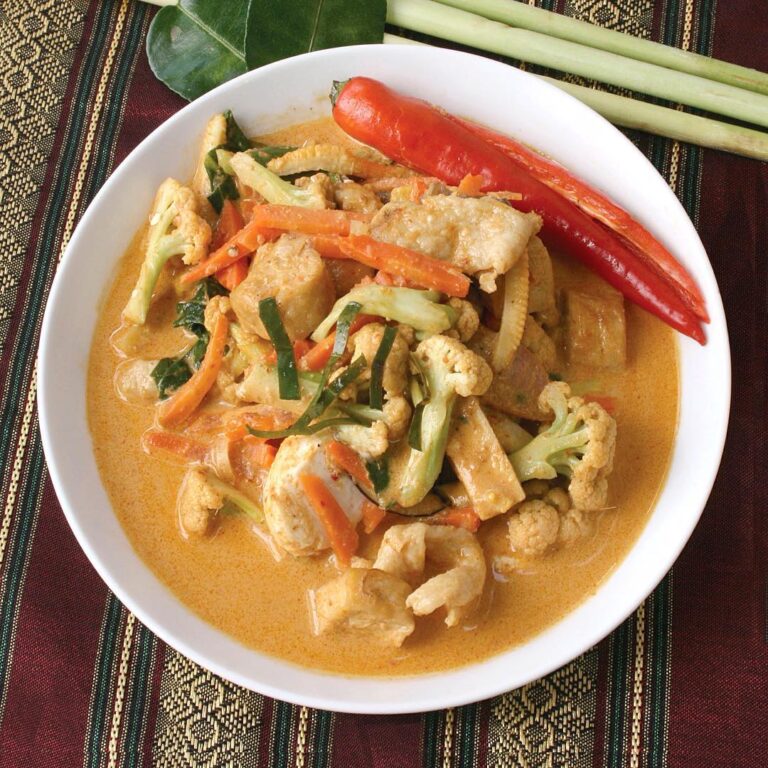
Vegan Panang Curry

May Kaidee is more than a vegan restaurant; it’s a cultural experience shaped by the energy, laughter, and creativity of its founder, Sommay Jaijong, or better known as Khun May. Known for her bold personality and even bolder flavours, she has spent decades reimagining Thai cuisine through a plant-based lens. What began as a humble street cart in Bangkok’s Banglamphu neighbourhood in 1988 has grown into restaurants in Bangkok and Chiang Mai, along with cooking schools that attract travellers from around the world. 

flag of thailand
image of vegan panang curry

Vegan Panang Curry

Ingredients:

Nut-Free Vegan Panang Curry Paste

  • 400 ml coconut milk (full-fat), divided
  • 3–4 dried red chilies, softened in hot water
  • 3–4 fresh red chilies (adjust to heat)
  • 4 kaffir lime leaves, finely sliced
  • 1 stalk lemongrass (white part only), roughly chopped
  • 1 tbsp galangal, sliced
  • 4 cloves garlic
  • 3 shallots
  • 1 tbsp soy sauce or tamari (vegan)
  • 1 tbsp coconut sugar (or brown sugar)
  • 1 tsp salt
  • 1 tbsp neutral oil (optional — skip for oil-free)

Vegetables (About 4–5 cups total)

Use any mix:

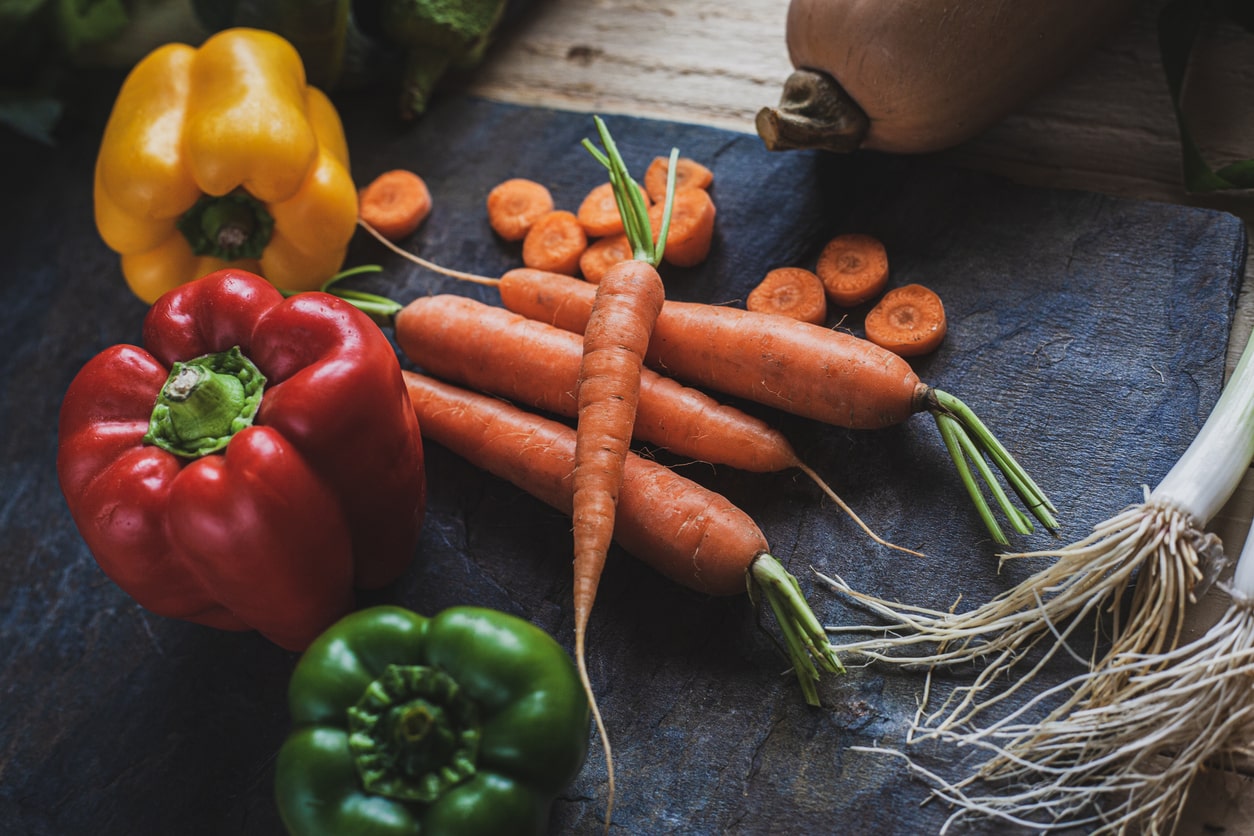
  • 1 cup carrots, sliced
  • 1 cup bell peppers, sliced
  • 1 cup zucchini or pumpkin, cubed
  • 1 cup green beans or broccoli
  • ½ cup onion wedges

Optional Vegan Protein

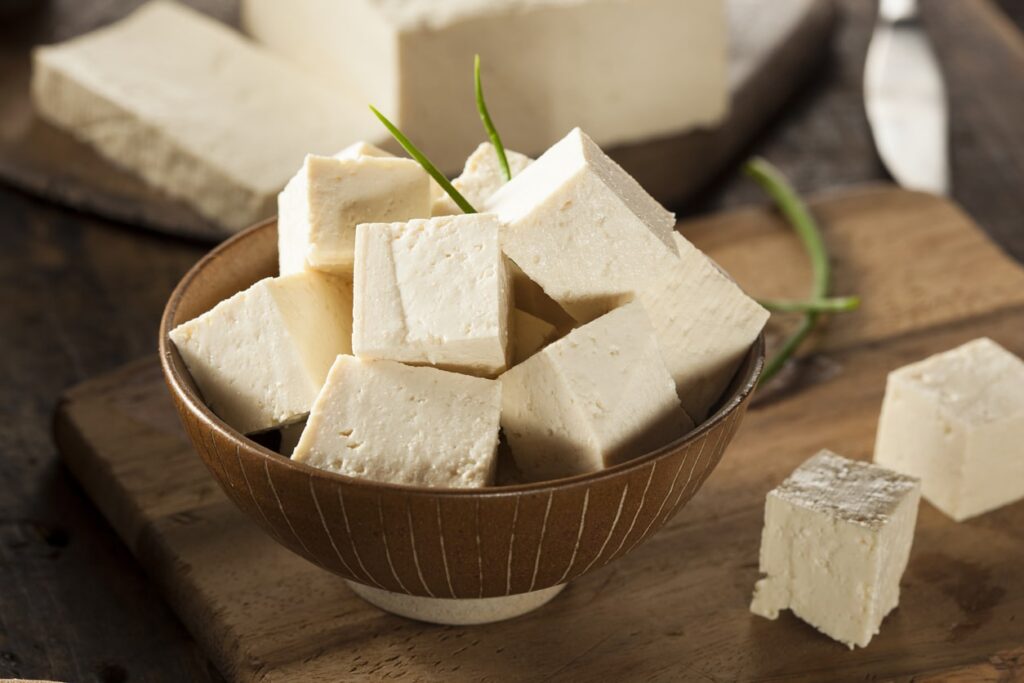
  • 300 g firm tofu, pressed and cubed
    (pan-fried, baked, or air-fried for best texture)
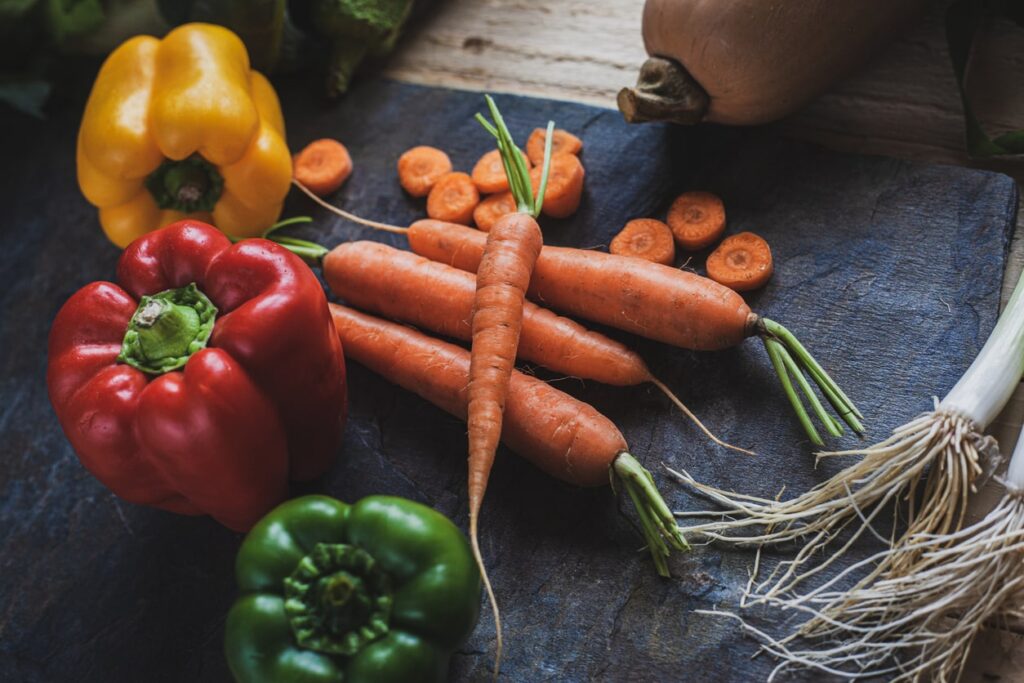
image of vegan panang curry

image of vegan panang curry

Preparation:

1. Make the Vegan Panang Curry Paste

In a blender, add:

  • softened dried chilies
  • fresh chilies
  • lemongrass
  • galangal
  • kaffir lime leaves
  • garlic and shallots

Add 2–3 tbsp of coconut milk to help the mixture blend.
Blend until completely smooth and thick. (Add a splash more coconut milk if needed.)

2. Cook the Curry

Heat oil in a pot over medium heat (or use a nonstick pot for oil-free).

Add the curry paste and cook 3–4 minutes until fragrant.

Add the thick coconut cream from the top of the coconut milk can; simmer until glossy.

Pour in the remaining coconut milk.

Season with soy sauce/tamari, salt, and coconut sugar.

Add all mixed vegetables.

Simmer 12–15 minutes until the vegetables are tender.

If using tofu, stir it into the curry during the last 5 minutes.

3. Adjust & Finish

Taste and adjust:

  • Add more soy sauce/tamari → saltiness
  • Add more coconut sugar → balance
  • Add more chilies → heat

Stir in a handful of finely sliced kaffir lime leaves.

Simmer 1 additional minute, then remove from heat.

Serving

Serve hot with steamed jasmine rice or brown–red rice.

Garnish with cilantro, lime wedges, or extra lime leaves.


Meet the Chef

Chef Duy

from Viet Nam

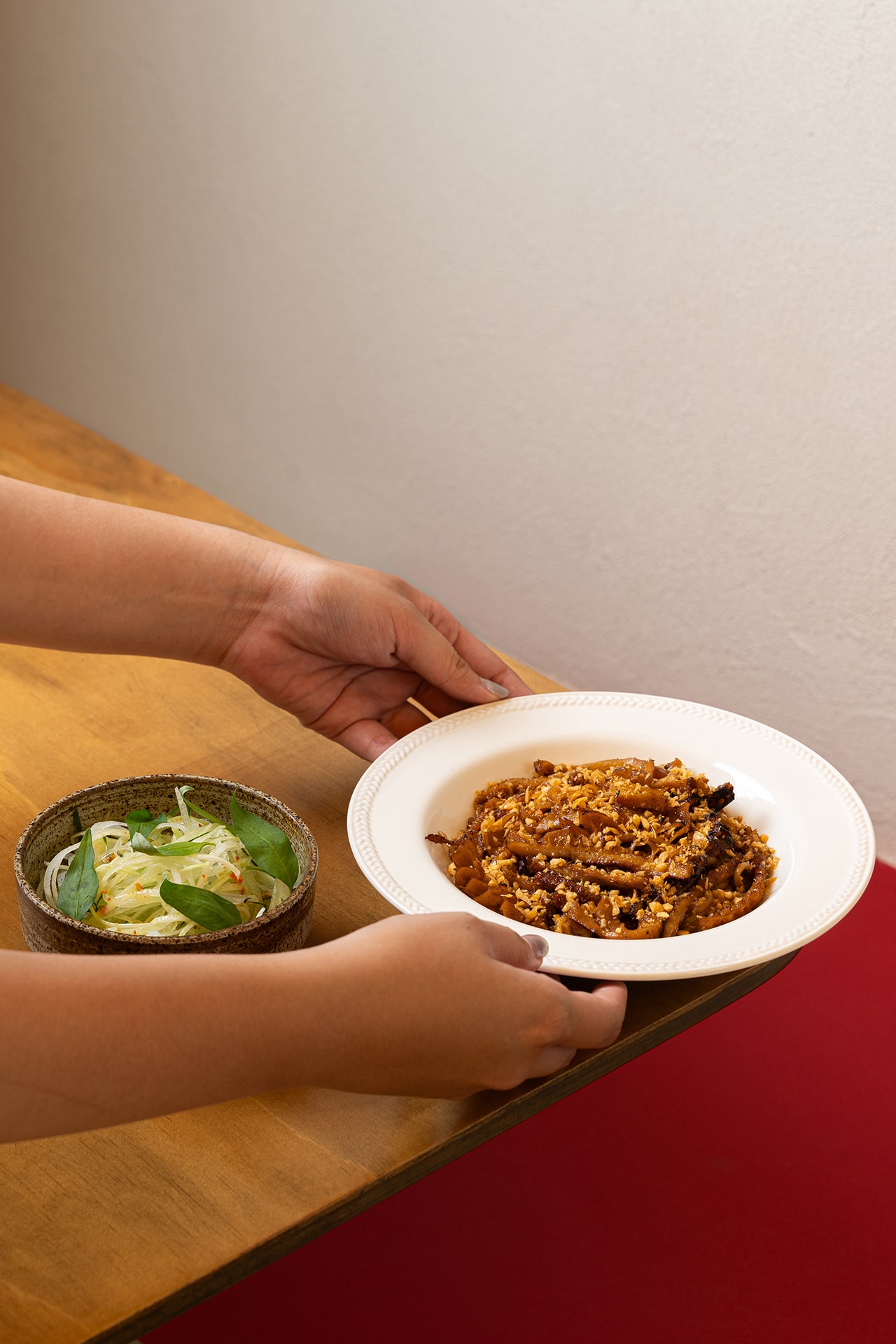
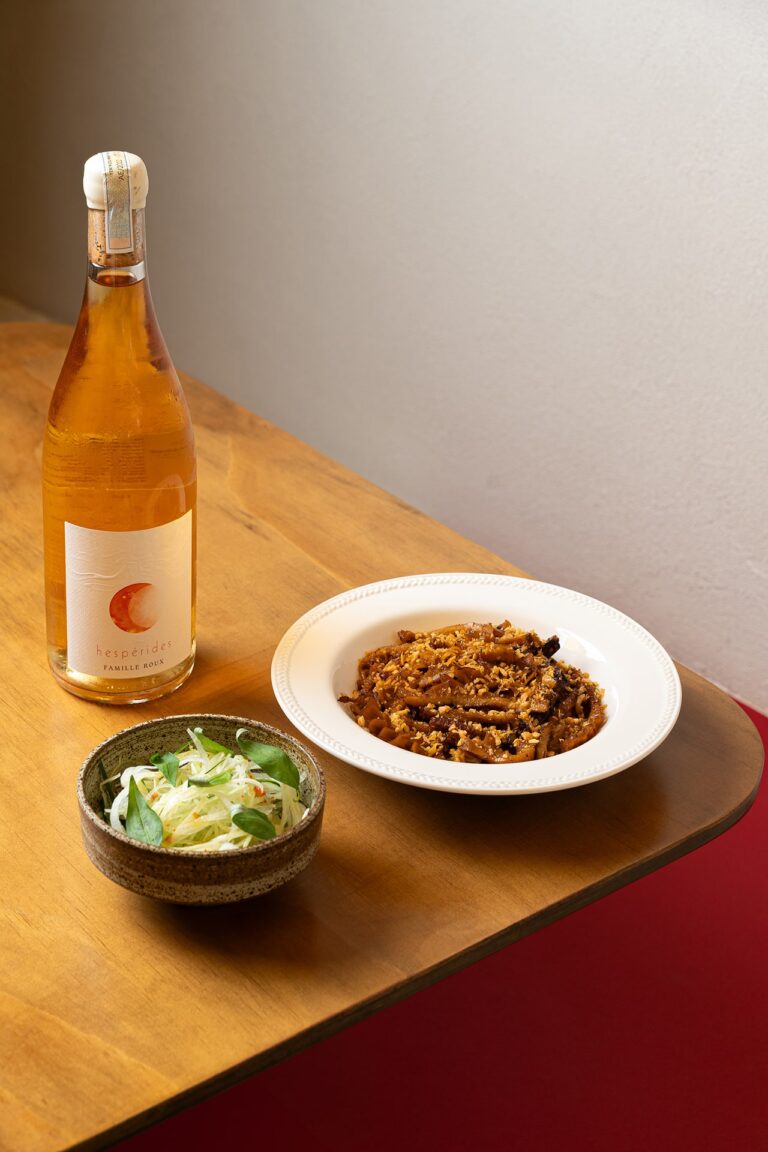
Mì Phá Lấu

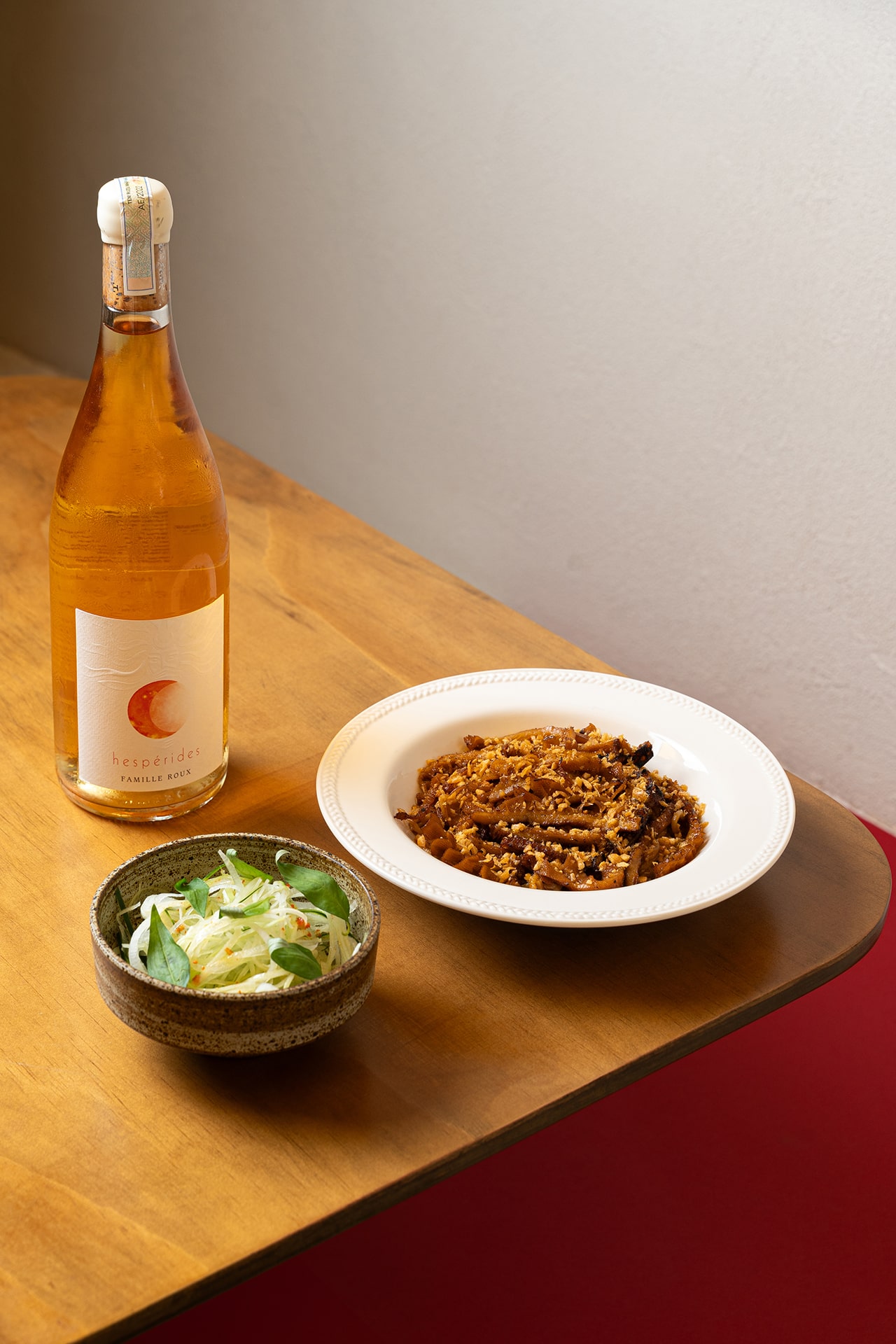
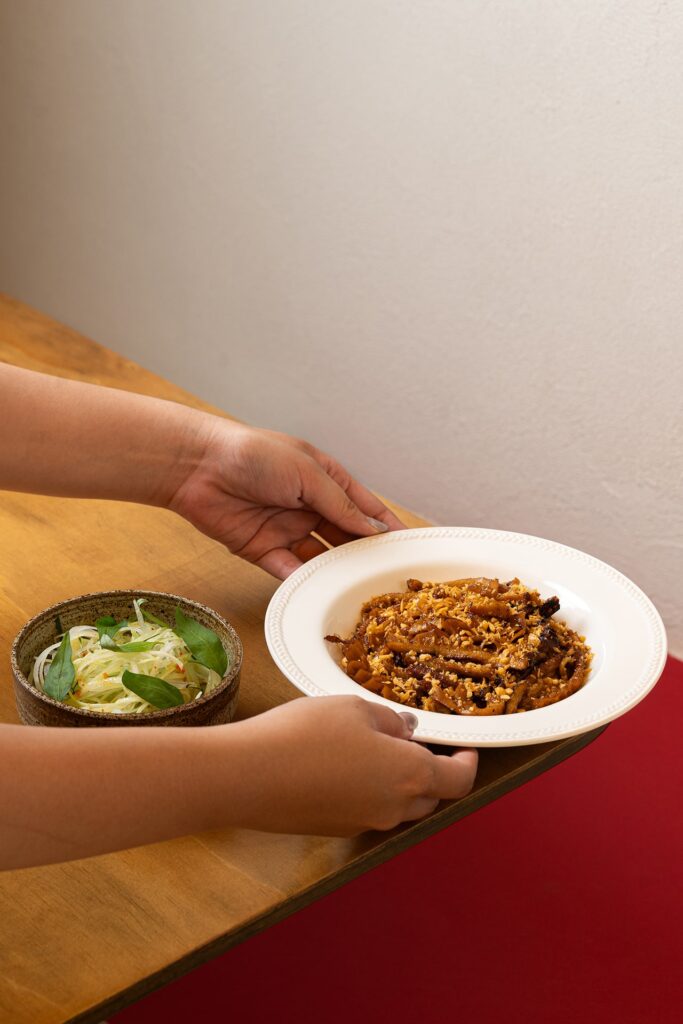
A beef tripe noodle dish served with kohlrabi salad

This dish is inspired by Southern Vietnamese street food, something almost every Vietnamese person has enjoyed at least once. Tripes and beef intestine are traditionally marinated with lemongrass, five-spice, and a range of aromatic spices, then braised in coconut milk or a light stock.

flag of vietnam
image of Mì Phá Lấu

Mì Phá Lấu

Ingredients:

Blanched Beef Tripe

  • ~2000g beef tripe
  • 3 L water (or enough to fully cover)
  • Large pinch of salt
  • 50–80g white vinegar
  • 2 ginger pieces, smashed
  • 2 garlic cloves, smashed
  • 3–4 lemongrass stalks, smashed (optional)

Marinated Beef Tripe

  • ~2000g blanched beef tripe, cut into large pieces (~20 × 20 cm)
  • 30g shallot, smashed
  • 30g garlic, smashed
  • 20g ginger, smashed
  • 100g lemongrass, smashed
  • 5g curry powder
  • 8g five-spice powder
  • 15g salt
  • 6g ground black pepper
  • 20g oyster sauce
  • 10g dark soy sauce
  • 50g fish sauce
  • 30g annatto oil

Braised Beef Tripe

  • 2 bottles coconut water
  • 50g Shaoxing wine or sake
  • 300g coconut milk
  • 35g tamarind paste
  • 1.2L beef stock or chicken stock
  • 4 cloves, toasted
  • 2 black cardamom pods, toasted
  • 5g cinnamon stick, toasted
  • Canola oil

Giấm Tiêu Sauce (For Cold Noodles)

  • 300g Pha Lấu braising liquid
  • 100g water
  • 65g pink/rice/Teocheow vinegar (avoid Chinese black vinegar)
  • 15g honey
  • 10g chili sauce
  • 20g chili oil
  • 20g sate or Lao Gan Ma
  • 40g dark soy sauce
  • 15g brown sugar
  • 30g oyster sauce
  • 3g grated ginger
  • 10g grated garlic

Alkaline Noodles

  • 500g 00 flour
  • 220g water
  • 2g salt
  • 14.76g alkaline (kansui)

image of Mì Phá Lấu

Preparation:

Blanched Beef Tripe

Bring the water, vinegar, salt, ginger, garlic, and lemongrass to a boil.

Reduce heat to medium and add the tripe. Blanch for 6 minutes.

Transfer immediately into an ice bath to cool completely.

Pat dry thoroughly before marinating.

Marinated Beef Tripe

In a blender, combine all ingredients except the smashed garlic, ginger, shallot, and lemongrass

Blend until smooth, then rub the mixture evenly over the tripe pieces.

Transfer to a mixing bowl and add the smashed aromatics.

Mix well, cover, and marinate overnight.

Braised Beef Tripe

Heat a drizzle of canola oil in a large pot over medium-high heat.

Add the marinated tripe (without the marinade liquid) and sear for 4–6 minutes, turning often.

Deglaze with Shaoxing wine or sake, cooking for 3 minutes.

Add all reserved marinade liquid and cook 8 minutes, allowing it to reduce and coat the tripe.

Add the coconut water, toasted spices, and enough stock to just cover the tripe.

Cover with a cartouche or semi-close the lid.

Simmer on low for 2 hours.

Check doneness — tripe should be tender with a gentle chew.

Add tamarind paste and coconut milk; cook another 10 minutes.

Portion tripe as needed.

Adjust seasoning with sugar and fish sauce — flavor should be lightly salty, tangy, and gently creamy.

Giấm Tiêu Sauce (For Cold Noodles)

Combine all ingredients in a small pot.

Bring to a gentle simmer.

Blend with a hand blender until smooth.

Alkaline Noodles

Mix the water with the alkaline.

Slowly incorporate into the flour and salt mixture.

Knead 10–12 minutes until smooth.

Roll and cut into tagliolini-sized noodles.

Serving

At the restaurant, the tripe is grilled before serving, but this step is optional at home.

Finishing the Noodles

Cook the alkaline noodles until al dente.

Add the noodles to a pan with the GIẤM TIÊU sauce.

Cook together until the sauce reduces to about 30% of its original volume.

Add a small piece of butter and a splash of coconut milk.

Adjust seasoning with salt and rice vinegar — flavor should stay tangy and lightly salty.

Add the beef tripe:

  • Option 1: Place grilled tripe on top, or
  • Option 2: Toss the tripe directly into the noodles during the final reduction.

Finish with fried garlic on top.