

Published on March 25, 2026
Singapore offers a unique perspective on nature-friendly tourism in Southeast Asia, demonstrating how sustainability and biodiversity conservation can coexist within a highly urbanised environment. While the country is often associated with modern infrastructure and city development, it has also invested heavily in environmental planning, green spaces, and conservation initiatives that integrate nature into daily urban life. This approach has transformed Singapore into a destination where visitors can experience both urban innovation and ecological preservation.
Unlike traditional destinations centred around remote wilderness, Singapore’s model focuses on accessibility, environmental education, and sustainable urban planning. Nature reserves, wetlands, park connectors, and environmentally designed attractions allow visitors to engage with ecosystems without travelling far from the city centre. This highlights howcities can play an active role in conservation while encouraging residents and travellers alike to adopt more environmentally conscious lifestyles.
Why Nature-Friendly Tourism Matters in Singapore
Despite its limited land area, Singapore supports a surprising diversity of ecosystems, including mangrove forests, wetlands, coastal habitats, and patches of rainforest. These natural spaces provide refuge for migratory birds, reptiles, marine species, and native flora, while contributing to climate resilience and urban sustainability. However, balancing environmental preservation with urban growth remains an ongoing challenge for this densely populated city-state.
Nature-Friendly Tourism plays an important role in raising awareness about conservation and sustainable living in Singapore. Through environmentally focused attractions, educational programmes, and protected natural areas, visitors gain insight into how biodiversity can be preserved even within an urban setting. Singapore’s emphasis on green infrastructure and sustainable tourism also serves as a model for how environmental planning can support both quality of life and long-term ecological protection.
Key Nature-Friendly Tourism Destinations
Sungei Buloh Wetland Reserve
Sungei Buloh Wetland Reserve is one of Singapore’s most important ecological sites, renowned for its mangrove forests and its role as a stopover for migratory birds along the East Asian-Australasian Flyway. The reserve features boardwalks, observation points, and educational trails that allow visitors to explore wetland ecosystems while learning about biodiversity conservation. It also serves as a living classroom for environmental education, highlighting the ecological importance of mangroves and coastal habitats within an urban setting.
Bukit Timah Nature Reserve
Bukit Timah Nature Reserve is home to one of Singapore’s last remaining primary rainforests, harbouring a remarkable diversity of plant and animal species despite its relatively small size. The reserve’s trails provide opportunities for hiking and wildlife observation, while educational signage throughout the reserve helps visitors better understand rainforest ecology and the importance of preserving forest ecosystems within an urban environment.
Pulau Ubin
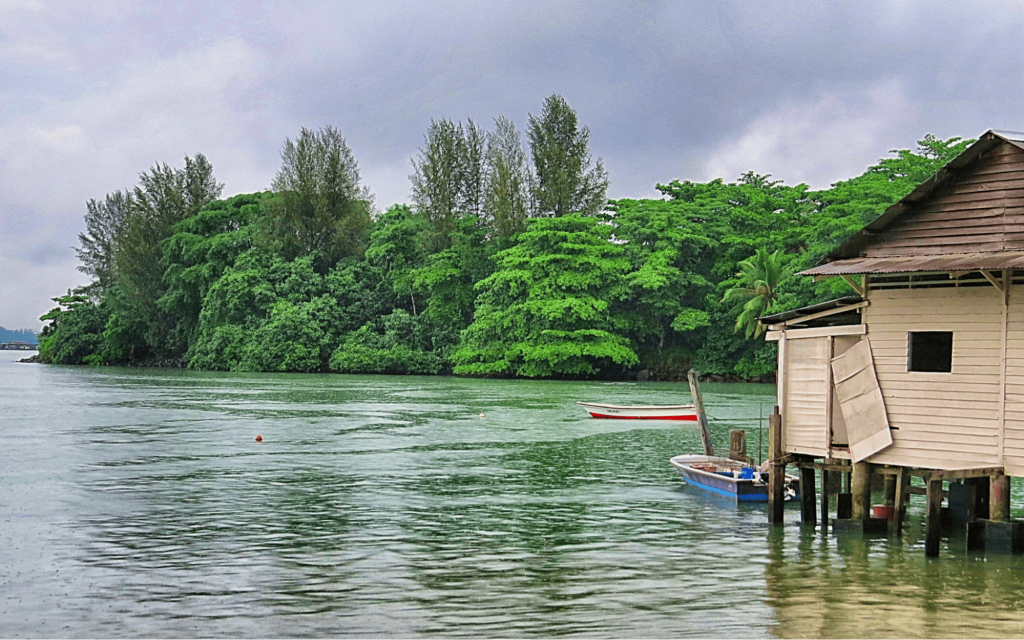
Pulau Ubin offers a contrasting perspective to Singapore’s urban environment, preserving rural landscapes and traditional village life that have disappeared elsewhere in the country. The island is known for its cycling trails, mangrove habitats, and coastal ecosystems, making it a popular destination for low-impact outdoor activities. Visitors can also explore the Chek Jawa Wetlands, where multiple ecosystems converge within a relatively small area, supporting marine life, mangroves, and seagrass habitats.
Gardens by the Bay
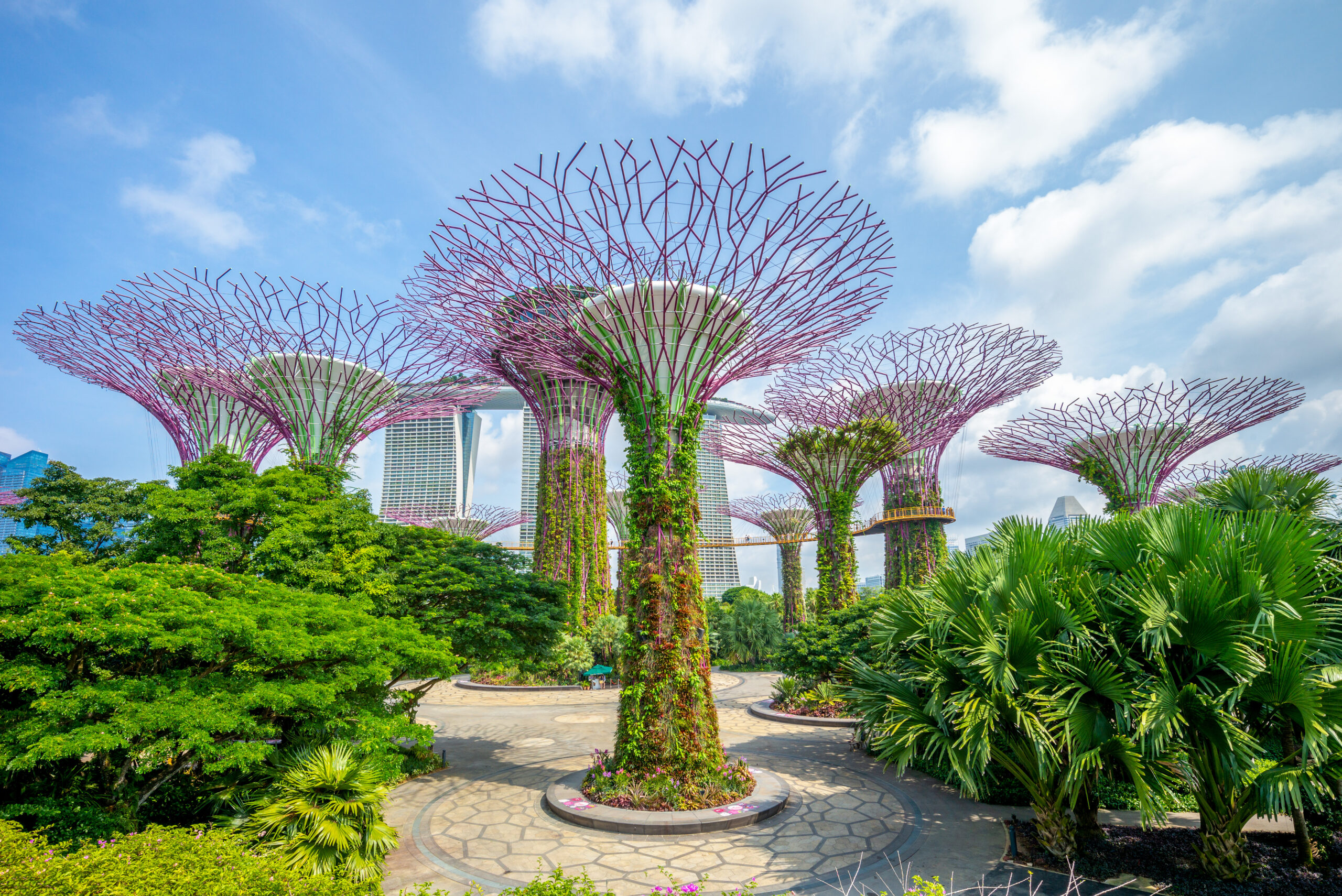
Gardens by the Bay represents Singapore’s integration of sustainability and urban design through environmentally conscious horticultural attractions. The park features energy-efficient conservatories, vertical gardens, and sustainable cooling technologies designed to reduce environmental impact. Beyond its architectural appeal, the site also promotes awareness of biodiversity, climate adaptation, and sustainable urban development.
Community-Based Tourism & Local Impact
Kampong Lorong Buangkok
Kampong Lorong Buangkok is one of Singapore’s last remaining traditional villages, offering insight into the country’s historical relationship with community living and local culture. While small in scale, visits to the area help preserve awareness of Singapore’s heritage and provide a contrast to the city’s modern urban environment. The kampong also highlights how traditional lifestyles often maintained closer relationships with the natural environment and communal sustainability practices.
MacRitchie Reservoir
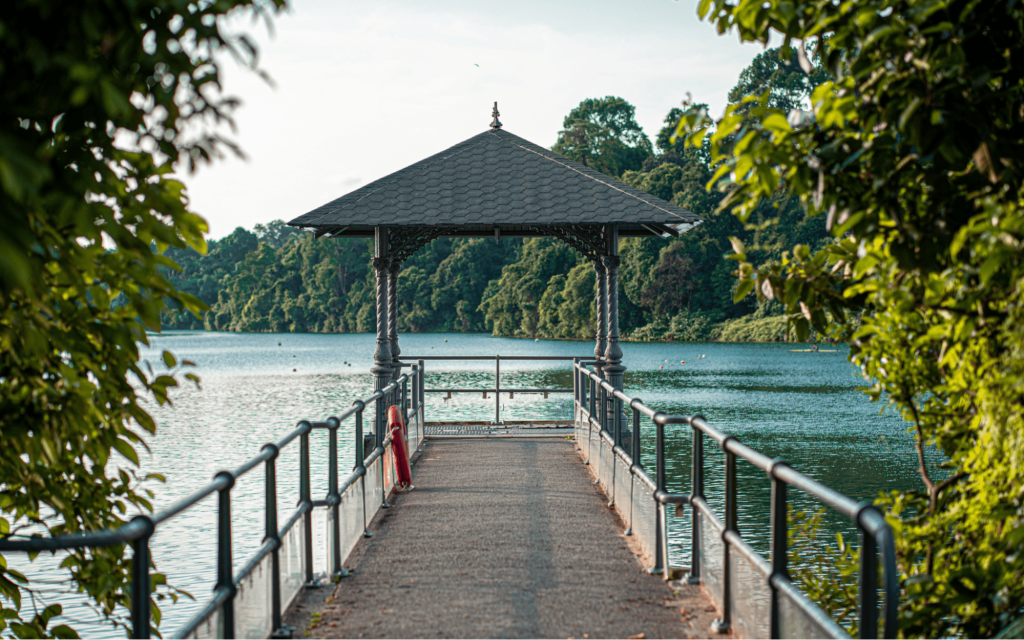
MacRitchie Reservoir supports a range of nature-friendly recreational activities, including guided walks, kayaking, and educational nature programs. The surrounding forested area supports water conservation efforts and serves as an accessible green space for residents and visitors. Programmes organised around the reservoir promote awareness of biodiversity and environmental stewardship within the urban population.
Southern Ridges
The Southern Ridges network connects several parks and green spaces through elevated walkways and forest trails, encouraging sustainable outdoor recreation within the city. The project demonstrates Singapore’s commitment to integrating biodiversity corridors into urban planning while improving public access to nature. It also supports eco-conscious lifestyles by promoting walking and low-impact exploration.
Responsible Travel Tips
Travelling responsibly in Singapore involves recognising that even urbanised environments require active conservation and sustainable practices. Visitors are encouraged to follow park and nature reserve guidelines, remain on designated trails, and avoid disturbing wildlife or vegetation. Wetland and forest ecosystems are particularly sensitive to human impact, making responsible behaviour essential to preserving biodiversity.
Reducing waste and supporting sustainable businesses can also contribute positively to Singapore’s environmental efforts. Many attractions and accommodations across the country incorporate eco-friendly initiatives, such as waste-reduction programs, energy-efficient systems, and sustainable sourcing practices. Travellers can further support sustainability by using public transportation, which is widely accessible and designed to reduce urban emissions. Respecting local environmental regulations and participating in educational programmes can help deepen visitors’ understanding of Singapore’s conservation approach.
When to Visit
Singapore’s equatorial climate allows year-round travel, with warm temperatures and relatively consistent weather. Rainfall can be frequent, though showers are often brief and followed by sunny conditions. Because of the tropical climate, outdoor activities are generally most comfortable during the early morning or late afternoon, when temperatures are slightly cooler.
Seasonal variations are minimal compared to other Southeast Asian destinations, allowing you to explore nature reserves, parks, and outdoor attractions year-round. Visitors interested in birdwatching may wish to plan their visits around migratory seasons, particularly at wetland reserves such as Sungei Buloh, where migratory bird populations are more abundant during certain months.
Conclusion
Singapore demonstrates that nature-friendly tourism is not limited to remote forests or isolated natural reserves but can also thrive in a modern urban environment when supported by robust sustainability policies and environmental planning. Through its integration of green infrastructure, biodiversity conservation, and environmentally focused attractions, the country has created a model of urban and nature-friendly tourism that emphasises accessibility, education, and long-term sustainability.
For travellers, Singapore offers opportunities to explore how cities can coexist with nature in meaningful ways. As sustainable travel continues to evolve globally, Singapore remains an important example of how environmental stewardship can shape the future of tourism in densely populated destinations.