

Published on May 8, 2026
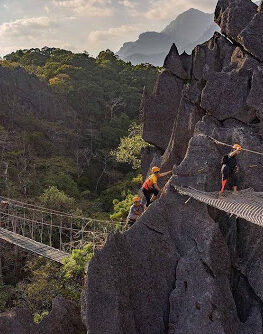
Lao PDR has one of Southeast Asia’s most naturally preserved landscapes, with forested mountains, river systems, limestone karst formations, and rural communities closely connected to the environment. Unlike destinations with highly developed tourism industries, Lao PDR has maintained a slower, more measured pace of development, allowing many of its natural and cultural landscapes to retain a strong sense of authenticity. This setting has made the country appealing to travellers seeking more meaningful and low-impact travel experiences.
Ecotourism in Lao PDR is built around sustainability, community participation, and environmental protection. Rather than focusing primarily on large-scale attractions, many tourism experiences emphasise cultural exchange, outdoor exploration, and responsible engagement with local communities. As a result, ecotourism has become an important part of Lao PDR’s tourism strategy, supporting conservation efforts while creating economic opportunities in rural areas.
Why Ecotourism Matters in Lao PDR
Lao PDR is home to extensive forest and river ecosystems that support biodiversity and the livelihoods of communities across the country. These natural resources are closely tied to agriculture, fishing, and traditional ways of life, particularly in remote provinces where communities rely heavily on their surroundings. However, pressures such as infrastructure development, land-use change, and resource extraction have increased concerns about environmental sustainability.
Ecotourism provides a way to balance economic growth with conservation by creating value around the protection of natural and cultural resources. Through community-based tourism initiatives, local residents are often involved in guiding, hosting, and managing tourism activities. This not only helps generate income but also encourages long-term stewardship of forests, rivers, and wildlife habitats. In many areas, tourism revenue contributes to community development projects and conservation programs, reinforcing the connection between sustainable travel and local well-being.

Key Ecotourism Destinations
Nam Et-Phou Louey National Park
Nam Et-Phou Louey National Park is one of Lao PDR’s most important protected areas, known for its mountainous forests and biodiversity conservation efforts. The park offers guided ecotourism experiences, such as river safaris and wildlife observation programs, designed to raise awareness of conservation issues while minimising environmental impact. Community participation is important to the park’s tourism model, with nearby villages getting involved with guiding and hospitality services. These initiatives help create economic incentives for protecting wildlife and forest ecosystems.
Kuang Si Falls
Located near Luang Prabang, Kuang Si Falls is one of the most recognised natural attractions in Lao PDR. The multi-tiered waterfall and surrounding forest environment provide opportunities for nature walks and environmental education. Conservation measures are in place to help manage visitor impact and preserve the surrounding ecosystem. The area also highlights the importance of balancing accessibility with sustainability, as increased tourism demands ongoing environmental management.
The Gibbon Experience
The Gibbon Experience combines conservation and adventure tourism through forest canopy accommodations and zipline systems in the protected forests of Bokeo Province. The project supports rainforest preservation by creating economic alternatives to logging and the exploitation of wildlife. Visitors experience the forest from a unique perspective and learn about ongoing conservation initiatives to protect endangered species and maintain biodiversity.
Si Phan Don
Also known as the “4,000 Islands,” Si Phan Don offers a slower-paced ecotourism experience centred around the Mekong River. The region is known for its riverine landscapes, small villages, and opportunities for cycling, kayaking, and wildlife observation. Tourism is closely connected to local livelihoods, with many guesthouses and activities operated by residents. Sustainable tourism practices are increasingly important in protecting the Mekong ecosystem and maintaining the area’s culture.
Community-Based Tourism & Local Impact
Nong Khiaw
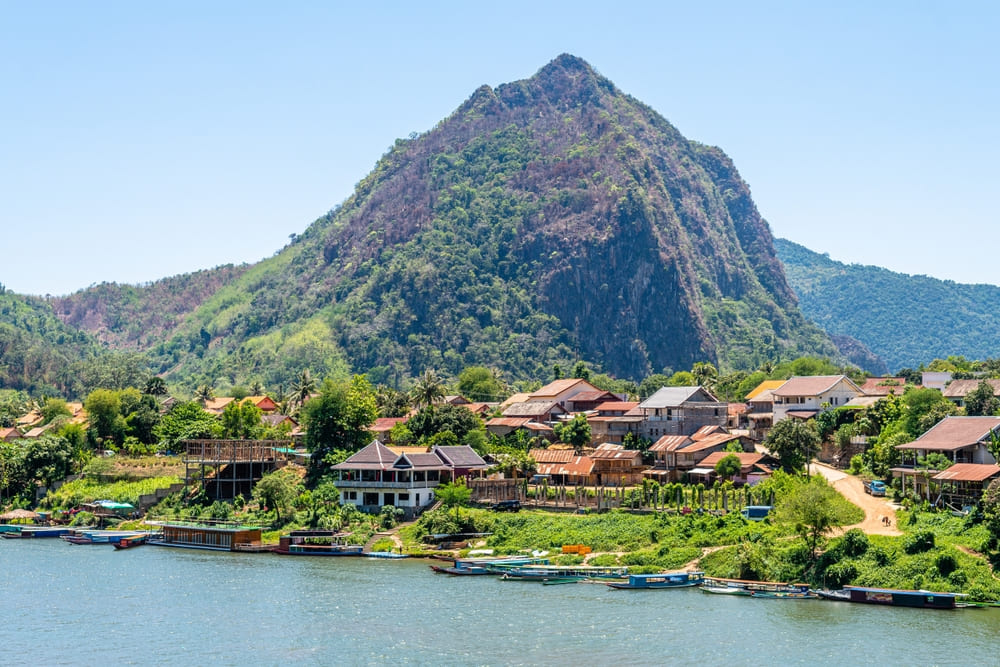
Nong Khiaw has become a top destination for community-based tourism in northern Lao PDR, where local guesthouses, guides, and trekking operators shape the visitor experience. Surrounded by limestone mountains and the Nam Ou River, the town offers trekking and cultural experiences that connect travellers with nearby villages. Tourism income supports local businesses while encouraging preservation of the surrounding environment and cultural traditions.
Luang Namtha
Luang Namtha is recognised for its ecotourism initiatives that involve ethnic minority communities in trekking, homestays, and cultural exchange programs. Visitors can explore forest trails and agricultural landscapes while learning about traditional lifestyles and environmental management practices. The province has developed structured ecotourism programs that aim to balance visitor access with conservation and cultural sensitivity.
Ban Na Village
Ban Na Village represents the type of small-scale community tourism initiative that is increasingly found across Lao PDR. Visitors can participate in local activities such as farming, weaving, and cooking while gaining insight into rural life. These experiences provide supplementary income for residents and encourage the preservation of local customs and traditions.
Responsible Travel Tips
Responsible travel in Lao PDR involves understanding the close relationship between local communities and the natural environment. Visitors are encouraged to support locally owned accommodations, guides, and businesses whenever possible, as this helps ensure that the benefits of tourism remain within the community. When exploring forests, rivers, and protected areas, travellers should follow established guidelines, avoid leaving waste, and minimise disturbance to wildlife and vegetation. Cultural sensitivity is also important, particularly in rural villages where traditions and social norms may differ from those of visitors. Taking the time to learn about local customs and engaging respectfully with communities contributes to a more meaningful and sustainable travel experience.
When to Visit
Lao PDR experiences a tropical monsoon climate with distinct wet and dry seasons that shape travel conditions year-round. The dry season, generally from November to February, is considered the most favourable period for ecotourism activities, as cooler temperatures and lower humidity make trekking and outdoor exploration more comfortable. From March to May, temperatures can rise significantly, particularly in lowland areas, potentially affecting travel conditions for some visitors. The wet season, from June to October, brings lush green landscapes and fuller waterfalls, enhancing the country’s natural scenery. However, increased rainfall can also make transportation to remote areas more difficult. Each season offers distinct advantages, allowing travellers to choose experiences that suit their interests and preferences.
Conclusion
Tourism in Lao PDR demonstrates how ecotourism can support conservation and community development while maintaining a relatively low-impact tourism model. By emphasising sustainability, local participation, and environmental awareness, the country has created opportunities for travellers to engage more deeply with its landscapes and cultures. For visitors seeking a slower and more intentional approach to travel, Laos offers experiences that prioritise authenticity and responsible exploration. As ecotourism continues to grow in Southeast Asia, Laos remains an important example of how tourism can develop in ways that support both people and the environment.