

Published on April 10, 2026
Brunei Darussalam offers a unique nature tourism experience within Southeast Asia, with well-preserved rainforests, river systems, and relatively low levels of mass tourism. Unlike heavily visited destinations in the region, Brunei Darussalam’s natural environments remain largely intact, providing a setting where conservation and sustainability are prioritised. This creates opportunities for travellers to explore biodiverse ecosystems in a controlled and low-impact way. Nature tourism in Brunei Darussalam is about immersive, educational experiences that highlight the value of environmental protection and responsible travel.
Why Nature Tourism Matters in Brunei Darussalam
Brunei Darussalam’s commitment to conservation is reflected in its extensive forest cover and protected areas, which serve as important habitats for a wide range of plant and animal species. These ecosystems play a major role in maintaining biodiversity and supporting ecological balance, both locally and regionally. At the same time, Brunei Darussalam’s tourism industry offers a unique opportunity to develop nature tourism sustainably, without the pressures of overtourism.
By promoting low-impact travel and conservation-focused experiences, nature tourism raises awareness of the importance of preserving Brunei Darussalam’s natural resources while also creating opportunities for local engagement. Although community-based tourism is still developing, there is growing recognition of its potential to support livelihoods and strengthen connections between visitors and local environments.
Key Nature Destinations
Ulu Temburong National Park
Often referred to as the “Green Jewel of Brunei Darussalam,” Ulu Temburong National Park is one of the country’s most significant natural locations. The park is known for its pristine rainforest, which has remained largely untouched, offering a glimpse into primary forest ecosystems. Visitors can access the park by river transport, then take guided treks to canopy walkways suspended above the forest floor. These experiences provide panoramic views and educational insight into the structure and biodiversity of tropical rainforests. Strict visitor management ensures that tourism activities remain low-impact and aligned with conservation goals.
Tasek Lama Recreational Park
Located near the capital, Tasek Lama Recreational Park offers an accessible natural landscape in Brunei Darussalam. The park features numerous trails that pass through forested areas and lead to waterfalls, making it a popular destination for locals and visitors. While it is less remote than other sites, it still plays an important role in promoting environmental awareness and encouraging outdoor engagement.
Kampong Ayer
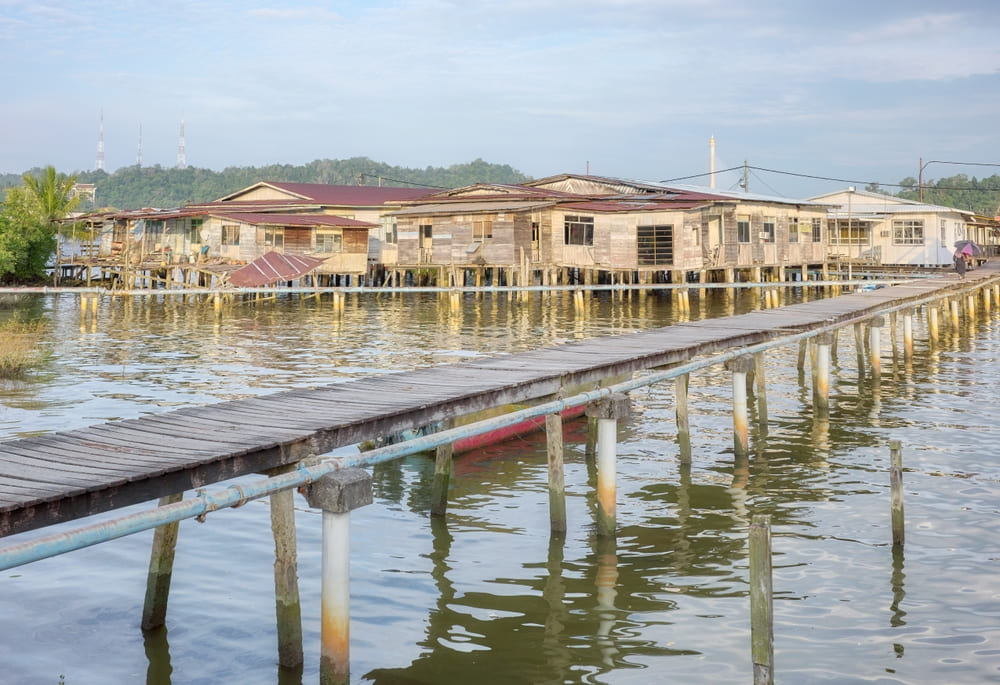
Kampong Ayer, often described as the world’s largest water village, offers a perspective on how communities adapt to and coexist with riverine environments. Built on stilts along the Brunei River, the village is home to thousands of residents whose daily lives are closely tied to the river. Visitors can explore the area by boat, learning about traditional lifestyles and the cultural significance of this settlement. The experience highlights the connection between the community and the environment.
Muara Beach
Muara Beach is a coastal complement to Brunei Darussalam’s forested landscapes, offering a quieter and less commercialised seaside experience. The area supports local recreation and serves as a space for observing coastal ecosystems. Its relatively undeveloped nature aligns with the country’s emphasis on low-impact tourism.
Community-Based Tourism & Local Impact
Bangar Town
Bangar Town serves as the introduction to Temburong’s nature tourism experiences and is important in connecting visitors with the surrounding rainforest. Local guides and small-scale operators provide services such as river transport and guided treks, making tourism activities both informative and sustainable. These interactions help benefit the local economy while maintaining a strong focus on conservation.
Kampong Ayer Cultural Tours
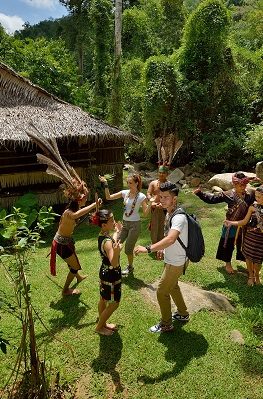
Community-led tours within Kampong Ayer allow visitors to engage with the village’s cultural and environmental context. These experiences include visits to local homes, demonstrations of traditional practices, and discussions about life on the water. By participating in these tours, visitors contribute directly to the preservation of cultural heritage and community livelihoods.
Wasai Bedanu
Wasai Bedanu is a natural waterfall accessible by guided trek, making it an immersive, low-impact destination. Local involvement in guiding and maintaining the area ensures that tourism remains sustainable while providing economic opportunities. The experience highlights the importance of preserving natural sites through controlled access and community stewardship.
Responsible Travel Tips
Travelling responsibly in Brunei Darussalam involves maintaining a strong awareness of environmental sensitivity, particularly in protected rainforest areas where ecosystems are delicate and slow to recover from disturbance. Visitors should follow all guidelines provided by park authorities and local guides, including staying on designated trails and avoiding activities that could harm wildlife or vegetation.
Supporting local guides and small-scale operators helps ensure that tourism contributes directly to the community while reinforcing conservation efforts. Additionally, minimising waste and reducing plastic use are important practices, as even small amounts of pollution can have a lasting impact on relatively untouched environments. Respect for cultural norms, particularly in traditional communities such as Kampong Ayer, is essential for fostering positive, sustainable interactions.
When to Visit
Brunei Darussalam experiences a tropical climate, with consistently warm temperatures and high humidity year-round. While travel is possible year-round, the drier months from January to May tend to offer more favourable conditions for outdoor activities such as trekking and wildlife observation. During the wetter months, rainfall can be more frequent and intense, which may affect accessibility in forested areas and make trails more challenging to navigate. However, the rain also enhances the lushness of the landscape, particularly in rainforest environments, making it an appealing time for those seeking to experience Brunei Darussalam’s natural beauty at its most vibrant.
Conclusion
Brunei Darussalam’s nature tourism landscape stands out for its emphasis on preservation, low-impact travel, and controlled development. By maintaining a balance between access and conservation, the country offers a model for integrating tourism into natural environments without compromising their integrity. For travellers seeking a quieter, more immersive experience, Brunei Darussalam offers the opportunity to explore Southeast Asia’s biodiversity in a way that prioritises sustainability, education, and respect for both nature and community.