

Published on April 24, 2026
An archipelago of more than 7,000 islands, the Philippines offers an ecotourism environment shaped by its coastal geography and marine biodiversity. Its landscapes include coral reefs, mangroves, tropical forests, and limestone formations, all of which contribute to its ecological richness. As tourism continues to grow, there has been a greater emphasis on developing sustainable practices that protect these environments while supporting local communities. Ecotourism provides a framework for achieving this balance, allowing visitors to experience the country’s natural beauty while contributing to its preservation.
Why Ecotourism Matters in the Philippines
The Philippines is considered one of the world’s top biodiversity hotspots, particularly in marine environments where coral reefs, mangroves, and seagrass ecosystems support thousands of species. Inland, forests and mountain ranges provide habitats for endemic wildlife while also sustaining water systems and agricultural communities. However, these ecosystems face increasing pressures from climate change, pollution, deforestation, overfishing, and rapid tourism development.
Ecotourism plays a critical role in addressing these challenges by linking environmental protection with economic opportunity. In many parts of the country, tourism revenue supports conservation projects, marine protected areas, and reforestation efforts. Community-based tourism programs also allow local residents to directly benefit from tourism activities through guiding services, homestays, handicrafts, and cultural experiences. This model encourages communities to actively participate in protecting natural resources while preserving local traditions and cultural identity.
Key Ecotourism Destinations
Puerto Princesa Subterranean River National Park
This UNESCO World Heritage Site is one of the Philippines’ most recognised ecotourism destinations. The underground river system flows through limestone caves, which are surrounded by protected forest ecosystems that support diverse wildlife and plant species. Visitors can explore the river through guided boat tours while learning about the importance of cave conservation and environmental management. Strict visitor regulations help protect the delicate ecosystem and maintain the park’s ecological integrity.
Tubbataha Reefs Natural Park
Located in the Sulu Sea, Tubbataha Reefs Natural Park is considered one of the world’s premier diving destinations and a critical marine conservation area. The park contains extensive coral reef systems that support sharks, sea turtles, rays, and countless fish species. Due to its protected status and remote location, tourism is carefully regulated through limited diving expeditions designed to minimise environmental impact. The park demonstrates how sustainable marine tourism can support long-term conservation goals while allowing visitors to experience the country’s unique biodiversity.
Banaue Rice Terraces
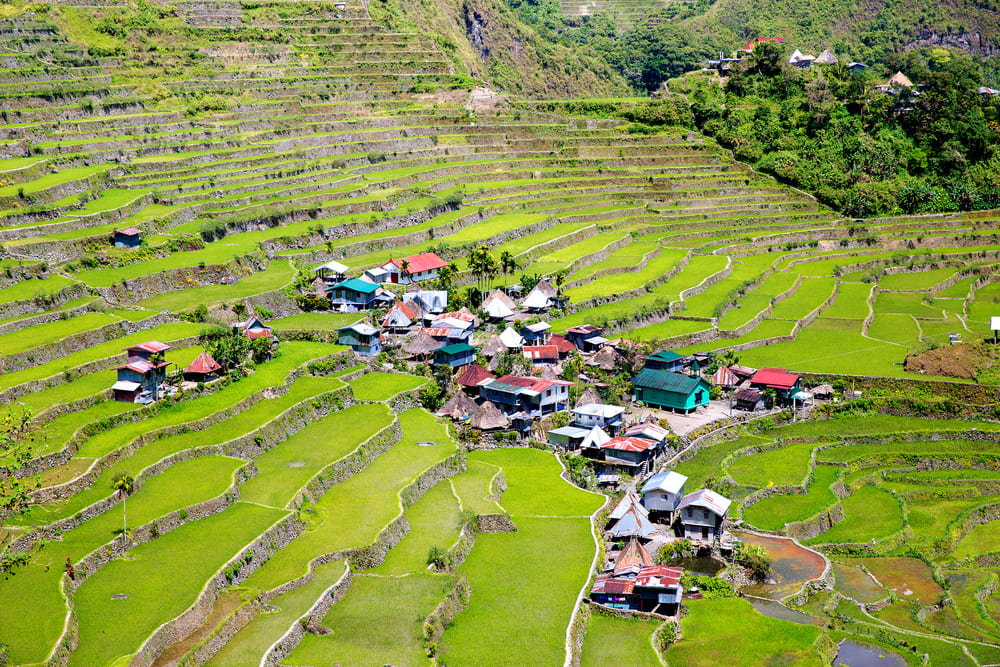
Often referred to as the “Eighth Wonder of the World,” the Banaue Rice Terraces highlight the connection between cultural heritage and sustainable land management. Carved into the mountains by the Ifugao people over centuries, the terraces represent a traditional agricultural system that remains closely tied to the surrounding environment. Visitors can engage in trekking and cultural exchanges that offer insights into indigenous knowledge, farming traditions, and conservation practices that have sustained the landscape for generations.
Apo Island
Apo Island is recognised for its successful community-led marine conservation efforts and thriving coral reef ecosystems. The island’s marine sanctuary has become a model for sustainable tourism and reef protection in the Philippines. Snorkelling and diving activities are managed in accordance with conservation guidelines to protect marine habitats while supporting local livelihoods. Tourism revenue contributes directly to environmental management and community development initiatives.
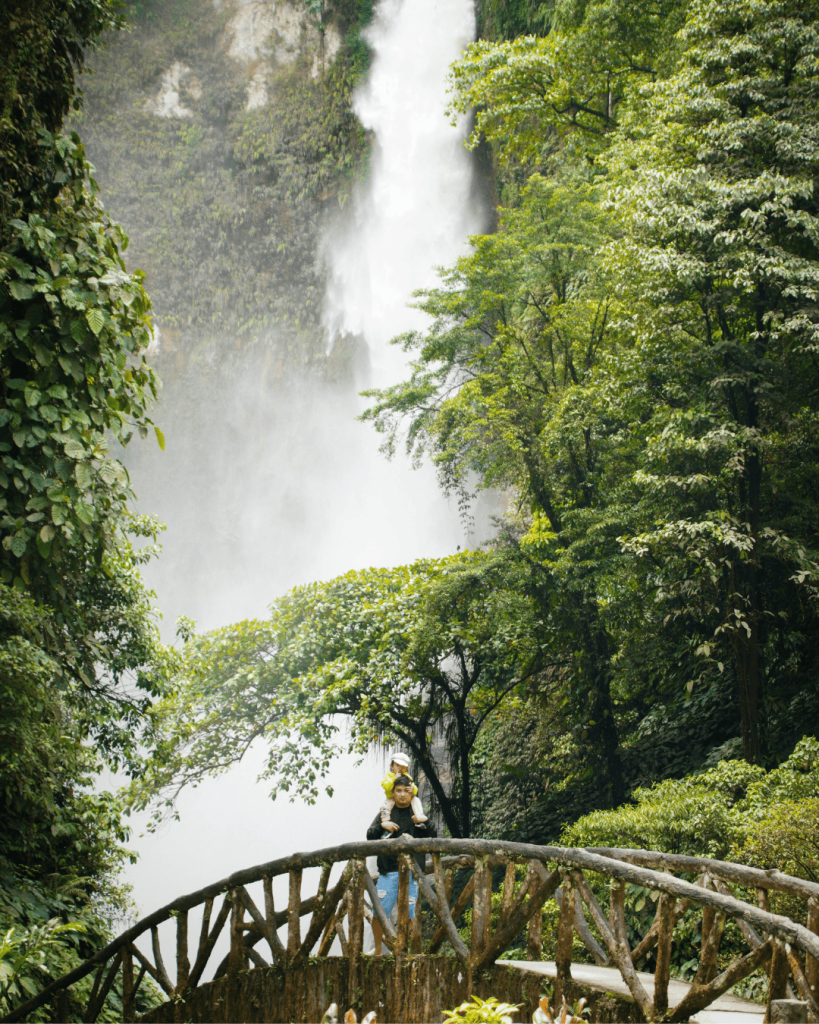
Community-Based Tourism & Local Impact
Aloguinsan, Cebu
The Bojo River Cruise in Aloguinsan, Cebu is a community-based ecotourism experience that showcases the area’s mangrove ecosystem and local culture. Guided by community members, visitors can journey along the scenic river while learning about biodiversity, conservation efforts, and the importance of sustainable tourism. Revenue generated from the Bojo River Cruise supports local livelihoods and community development initiatives, helping to protect this natural environment.
Lake Sebu Eco-Cultural Experience
Lake Sebu offers visitors opportunities to engage with the culture and traditions of the T’boli community while exploring the area’s natural landscapes. Community-led tourism initiatives include cultural performances, handicraft demonstrations, and guided nature experiences. Tourism helps local residents earn income while supporting the preservation of indigenous heritage and environmental resources.
Donsol Whale Shark Interaction
Donsol Whale Shark Interaction has become recognised as a model for responsible wildlife tourism and conservation. Visitors can observe whale sharks in their natural habitat under the guidance of trained local experts who follow strict environmental regulations designed to protect these gentle giants and their marine ecosystem. The program has created alternative livelihood opportunities for local fishing communities while fostering greater awareness of marine conservation and sustainable tourism practices.
Responsible Travel Tips
Responsible travel in the Philippines is important due to the country’s ecological sensitivity, especially in coastal and marine environments. Visitors are encouraged to follow established guidelines when engaging in activities such as snorkelling, diving, and wildlife encounters to ensure that coral reefs and marine species are not disturbed. Supporting community-based tourism initiatives and locally owned businesses helps distribute economic benefits more equitably and strengthens conservation efforts at the grassroots level. Reducing plastic use and properly managing waste are also critical, particularly on smaller islands where disposal systems may be limited. Additionally, respecting local customs and traditions contributes to more positive, sustainable interactions between visitors and host communities.
When to Visit
The Philippines experiences a tropical climate with distinct dry and wet seasons, which can influence travel conditions across the archipelago. The dry season, typically from November to May, is considered the best time for ecotourism activities, as calmer seas and clearer skies provide better conditions for island hopping, diving, and outdoor exploration. However, regional variations exist, and some areas may experience different weather patterns. Travellers should consider their specific destinations when planning their trip, as this can help optimise both accessibility and overall experience. Visiting during shoulder seasons can also offer a balance between favourable weather and fewer crowds.
Conclusion
The Philippines demonstrates how ecotourism can serve as an important link between environmental conservation and community development. By emphasising sustainable practices and local participation, the country has created opportunities for tourism to contribute positively to both ecosystems and livelihoods. For travellers, this approach offers a more meaningful way to experience the country’s natural beauty, from its marine environments to its forested landscapes. As awareness of sustainability continues to grow, the Philippines stands out as a destination where responsible travel can have a lasting and measurable impact.