

Published on April 3, 2026
When it comes to ecotourism, Myanmar offers a diverse, underexplored landscape of forests, lakes, coastal areas, and mountainous terrain. While the country’s tourism industry has developed more gradually compared to some of its regional neighbours, this has allowed many natural environments to remain less impacted by large-scale tourism. As interest in sustainable travel grows, ecotourism offers visitors a way to experience Myanmar’s natural and cultural richness in a more responsible and intentional way. By focusing on low-impact activities and community engagement, ecotourism in Myanmar offers meaningful travel experiences that go beyond traditional sightseeing.
Why Ecotourism Matters in Myanmar
Myanmar’s ecosystems support a wide range of biodiversity and are linked to the livelihoods of rural communities across the country. Forests provide resources and ecological stability, while lakes and coastal areas sustain fishing and agriculture. However, these environments face increasing pressure from development, resource extraction, and environmental change.
Ecotourism has the potential to address these challenges by creating economic incentives for conservation and sustainable land use. By involving local communities in tourism activities, Myanmar helps ensure benefits are distributed more equitably and encourages the protection of natural resources. This approach supports environmental preservation and strengthens cultural connections between visitors and host communities.
Key Ecotourism Destinations
Inle Lake
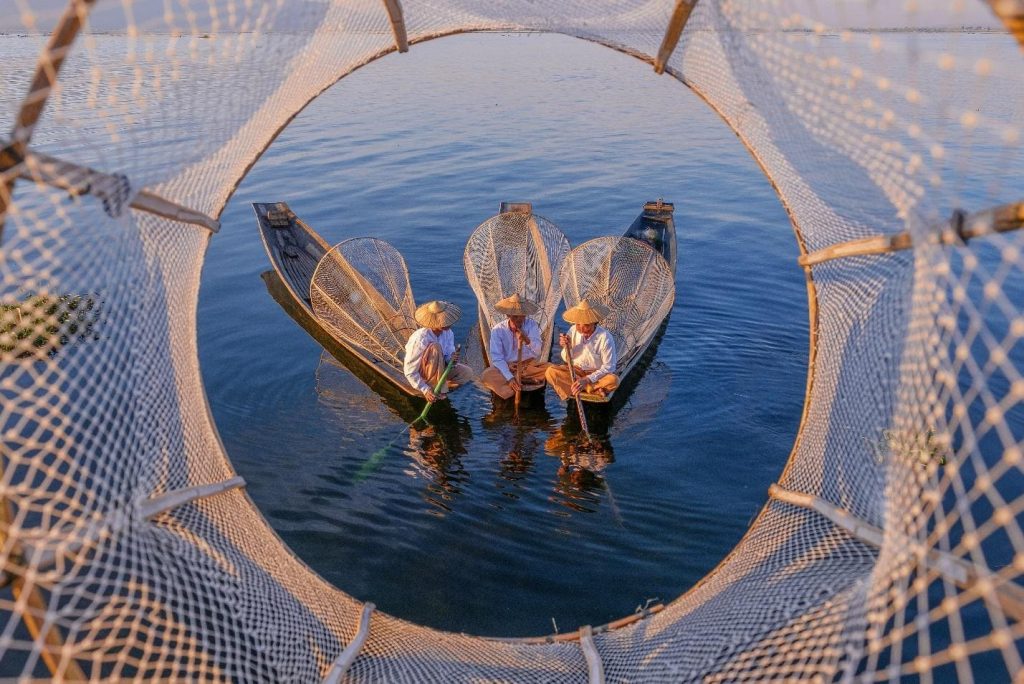
Inle Lake is one of Myanmar’s most distinctive ecotourism destinations, known for its floating gardens, stilt-house villages, and traditional fishing techniques. The lake’s ecosystem supports both biodiversity and local livelihoods, making it an important site for sustainable tourism. Visitors can explore the area by boat, observing how communities have adapted to life on the water while learning about efforts to preserve the lake’s environmental balance. Responsible tourism practices are increasingly emphasised to reduce the impact of visitor activity on the fragile ecosystem.
Nat Ma Taung National Park
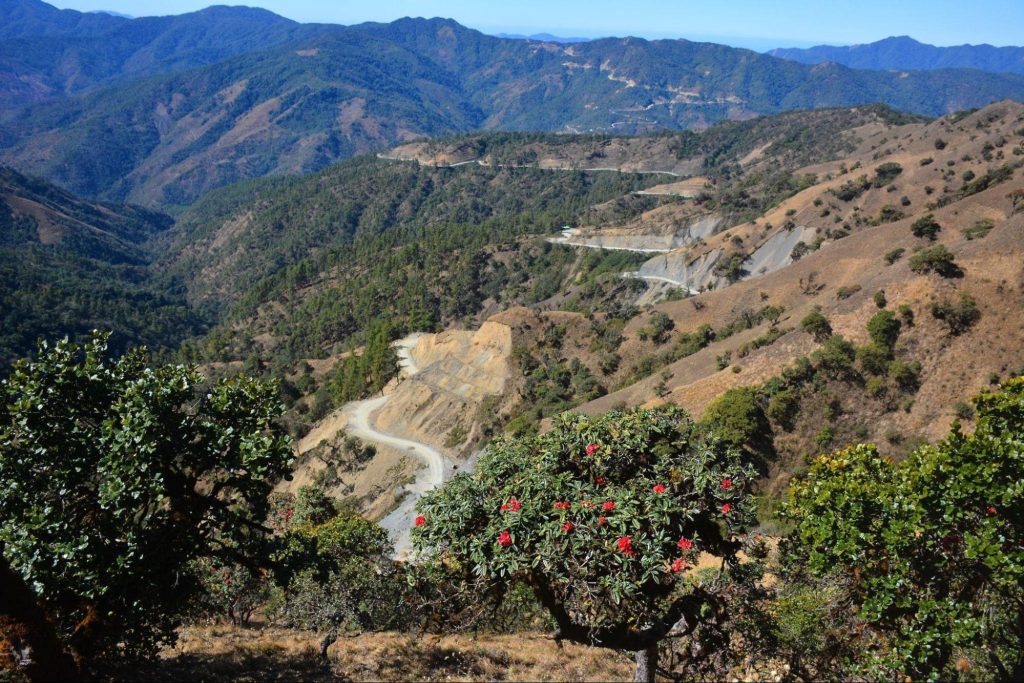
Nat Ma Taung National Park, located in the Chin State, offers a different perspective on Myanmar’s ecological diversity. The park features mountainous terrain, forest ecosystems, and a range of plant and animal species, some of which are endemic to the region. Trekking is a primary activity here, often guided by local communities who provide insight into both the natural environment and cultural traditions. The park’s remoteness contributes to its appeal as a low-impact ecotourism destination.
Ngwe Saung Beach
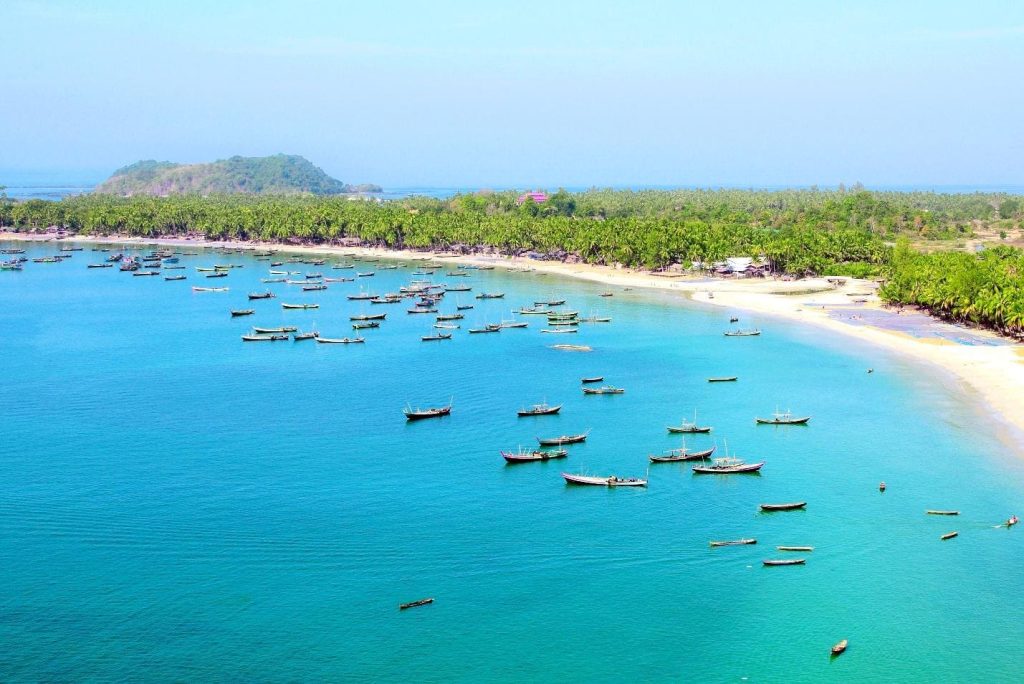
Ngwe Saung Beach offers a quieter, less developed coastal ecotourism experience than other beach destinations in Southeast Asia. Its long stretches of sand and untouched surroundings provide opportunities for low-impact travel, including nature walks and exploration of nearby fishing communities. The area highlights the importance of balancing tourism development with the preservation of coastal ecosystems.
Community-Based Tourism & Local Impact
Indein Village
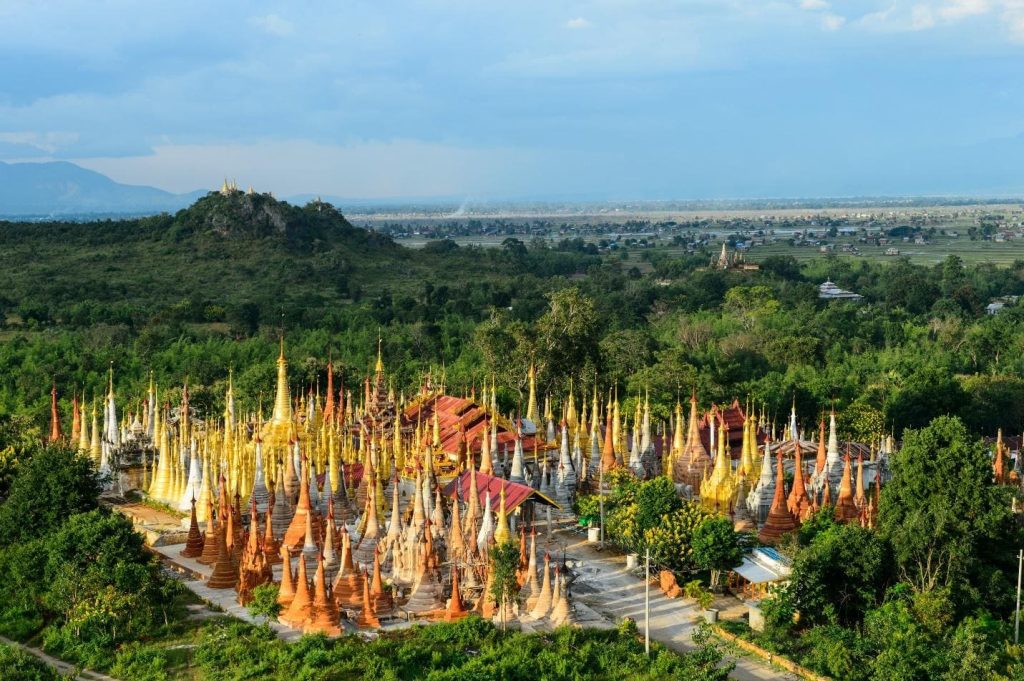
Indein Village, located near Inle Lake, offers travellers a chance to engage with local traditions in a more intimate setting. Known for its historic pagodas and rural landscape, the village supports small-scale tourism initiatives that provide income for residents while preserving cultural heritage. Guided visits include interactions with local artisans and farmers, creating a more immersive experience.
Kalaw
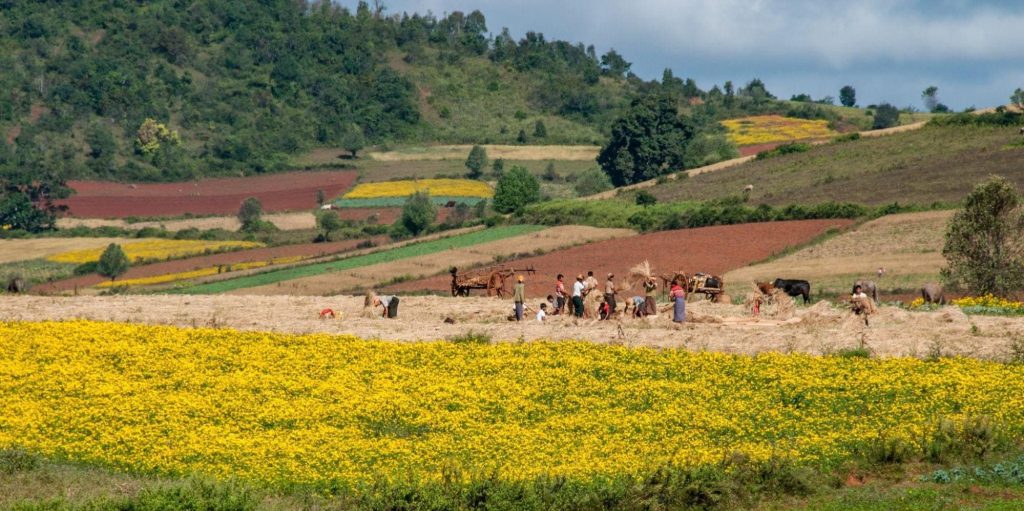
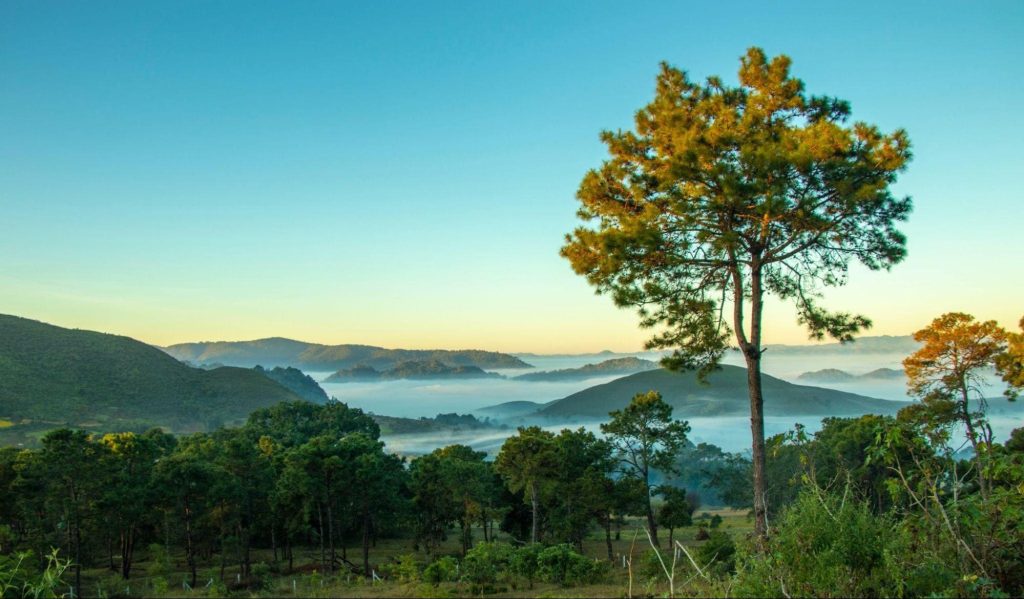
Kalaw serves as a starting point for trekking routes that connect travellers with rural communities across the Shan hills. These treks often include overnight stays in village homes, allowing visitors to experience daily life while contributing directly to local economies. The model emphasises cultural exchange and sustainable tourism practices.
Pindaya
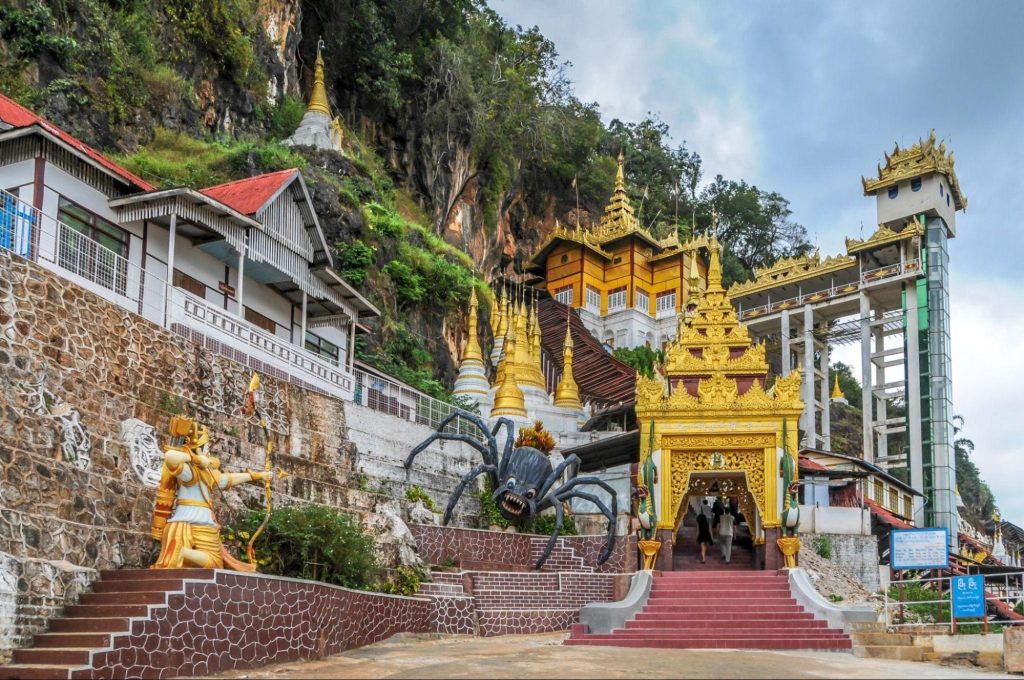
Pindaya is known for its limestone caves and surrounding agricultural landscapes. Community-based tourism here includes guided tours and local craft experiences, providing visitors with insight into traditional livelihoods. Tourism here supports small businesses and encourages the preservation of both natural and cultural sites.
Responsible Travel Tips
Travelling responsibly in Myanmar requires a thoughtful approach that considers both environmental and cultural sensitivities. Visitors are encouraged to prioritise locally owned accommodations, guides, and tour operators, as this helps ensure that tourism benefits remain within the community. When visiting natural areas, it is important to follow established guidelines, avoid littering, and minimise disturbance to wildlife and ecosystems. Cultural respect is important, particularly in rural areas where traditions and ways of life may differ significantly from those of visitors. Taking the time to understand local customs and engaging with communities respectfully contributes to a more sustainable and meaningful travel experience.
When to Visit
Myanmar’s climate is influenced by a tropical monsoon system, with distinct dry and wet seasons that affect travel conditions. The dry season from November to February is generally considered the most favourable time for ecotourism activities, offering cooler temperatures and more accessible conditions for trekking and outdoor exploration. From March to May, temperatures can become high, particularly in lowland areas, which may impact travel comfort. The wet season from June to October brings increased rainfall that enhances landscapes, particularly in forested and agricultural regions, but can also make transportation and access to remote areas more challenging. Travellers can plan their visits based on their preferences for climate and scenery.
Conclusion
Myanmar’s ecotourism reflects both its natural diversity and its potential for sustainable development. By focusing on community-based initiatives and low-impact travel experiences, the country offers visitors opportunities to engage deeply with its landscapes and cultures. While challenges remain in balancing development and conservation, ecotourism provides a framework for moving forward that supports both environmental protection and local livelihoods.