


Published on February 6, 2026
Brunei Darussalam’s cuisine expresses its Malay heritage, Islamic traditions, and ties to the sea. While understated compared to some of its regional neighbours, Bruneian food is rooted in community dining, fresh local ingredients, and recipes passed down through generations. Staples like sago, rice, coconut, seafood, and aromatic herbs form the foundation of many dishes, creating meals that are flavorful yet balanced. From the capital city of Bandar Seri Begawan to traditional water villages, here are four essential dishes that offer insight into Brunei’s culinary identity, along with where to experience them.
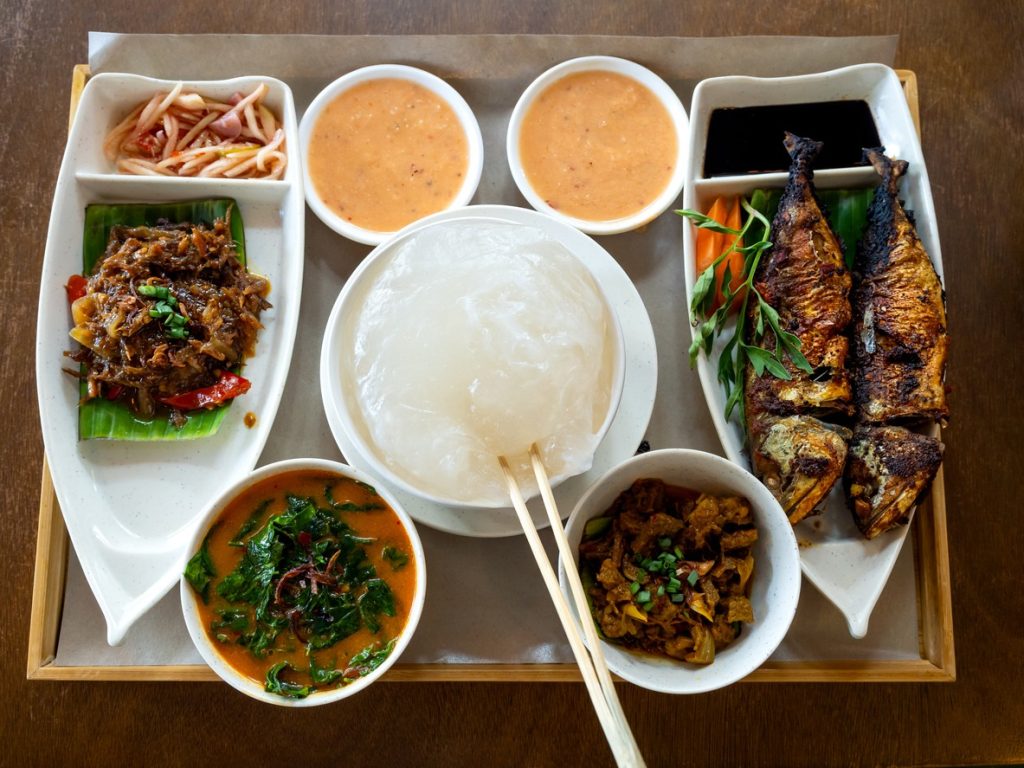
Ambuyat
Ambuyat is widely considered Brunei’s national dish. Made from the starch of the sago palm, it has a smooth, sticky consistency and is eaten using a bamboo utensil called a candas. Ambuyat is paired with a variety of dipping sauces such as cacah binjai (a tangy sauce made from wild mango), sambal belacan, or sour fish-based dips. It is typically served alongside grilled fish, stir-fried vegetables, and beef dishes, making it a shared, communal meal.
Where to try it:
- Tarindak D’Polo Café (Bandar Seri Begawan, near Jalan Residency): Located along the Brunei River with views of Kampong Ayer, this restaurant specialises in traditional Bruneian cuisine. Their Ambuyat set includes multiple side dishes and dipping sauces, supplying a comprehensive introduction to the dish.
- Aminah Arif Restaurant (Gadong & Batu Bersurat): One of the most well-known local chains serving authentic Ambuyat. The Gadong branch is particularly popular with families and visitors looking for a reliable, traditional preparation.
- Serai by Bunga Kilanas (Kiulap): Offers a cosy dining experience rooted in Bruneian flavours, serving a variety of traditional dishes in a warm and welcoming setting. It’s also a great place to try ambuyat, prepared and paired with classic local accompaniments.
- Rumbia Restaurant (Batu Bersurat) offers a wide selection of authentic Bruneian dishes in a relaxed setting, making it a great place to experience ambuyat and other local favourites.
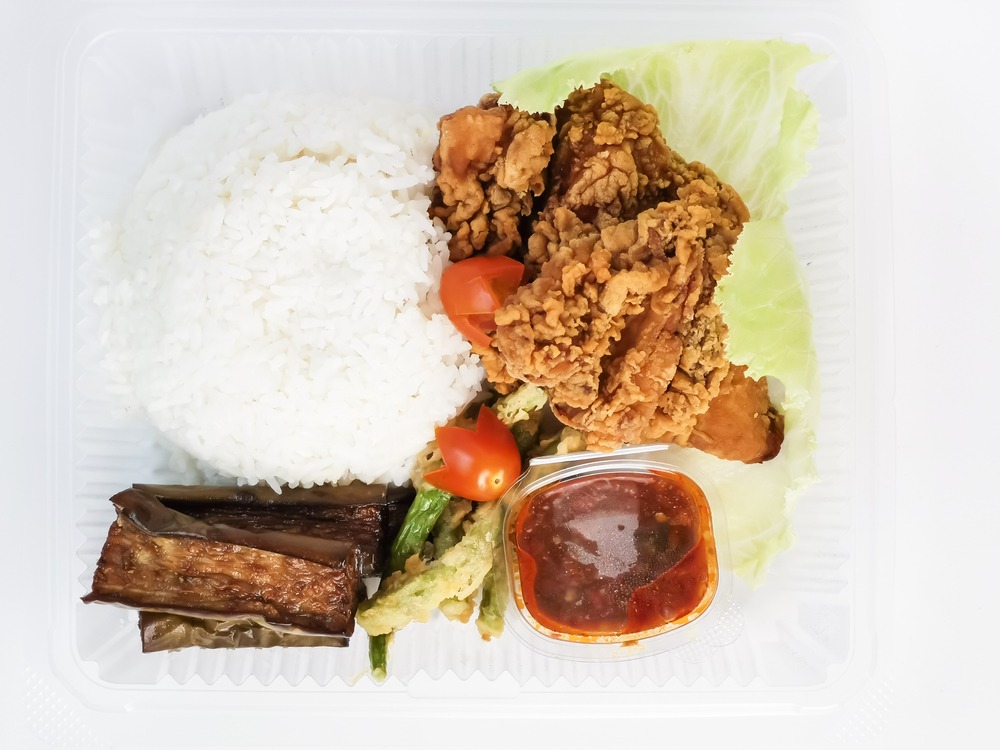
Nasi Katok
Nasi Katok is one of Brunei’s most recognisable everyday meals. It consists of steamed white rice, a piece of fried chicken, and sambal chilli sauce. Simple in presentation, the key to its popularity lies in the sambal, which varies from stall to stall in spice level and flavour depth. Traditionally affordable and available nearly around the clock, Nasi Katok is a staple for students, office workers, and late-night diners.
Where to try it:
- Nasi Katok Mama (Bandar Seri Begawan): A long-standing favourite known for its spicy sambal and consistently crispy fried chicken. It is centrally located near shopping complexes, making it easily accessible.
- Nasi Katok Kaka (Kiulap & Beribi): Popular among locals for its flavorful sambal and extended hours. The Kiulap branch is especially busy in the evenings.
Hati Buyah | Visit Southeast Asia
Hati Buyah
Hati Buyah, meaning “beef lung,” is a seasoned and stir-fried dish known for its slightly crisp texture and bold spices. The lung is cleaned, boiled, sliced thinly, and then stir-fried with chillies, garlic, and aromatic seasonings. It is often served with rice and is particularly popular at night markets.
Where to try it:
- Pasar Gadong Night Market (Bandar Seri Begawan): One of the largest and most vibrant night markets in the capital. Several vendors specialise in Hati Buyah, allowing visitors to compare variations in spice blends and preparation styles.
- Soto Pabo (Bandar Seri Begawan, near the Brunei River): Known for its comforting bowls of soto (noodle soup), you can also try hati buyah here — a rich, savoury delicacy that adds depth and character to this beloved local dish.
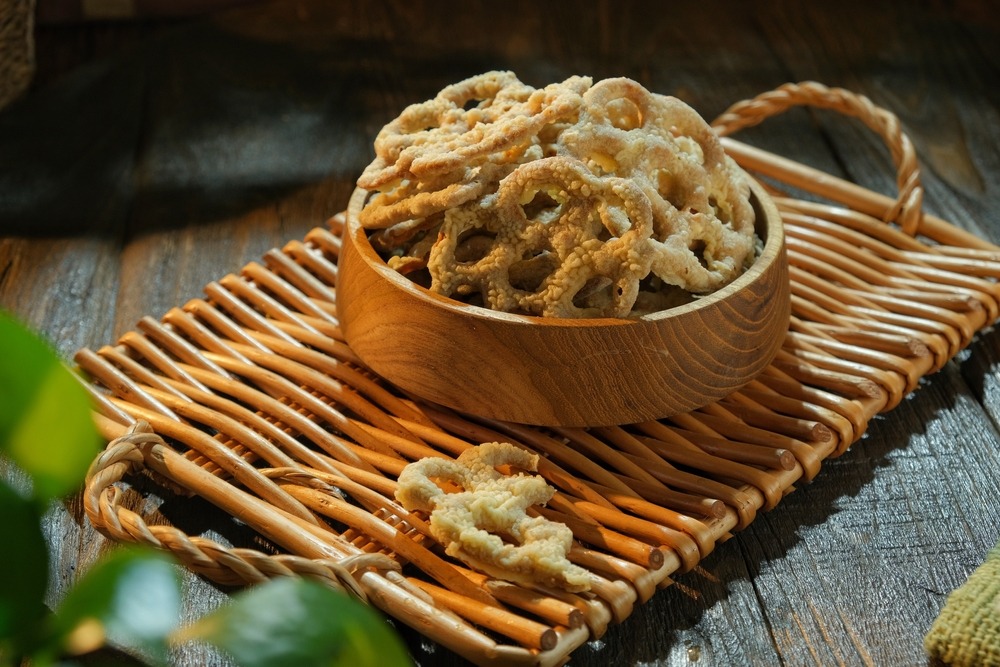
Kuih Cincin
Kuih Cincin is a traditional Bruneian snack made from rice flour and palm sugar, shaped into a ring and deep-fried until crisp. It has a caramelised sweetness and crunchy texture, making it a popular accompaniment to tea or coffee. As part of Brunei’s broader kuih (traditional snack) culture, it is often prepared during festive seasons and family gatherings.
Where to try it:
- Tamu Kianggeh Market (Bandar Seri Begawan, near the Brunei River): A morning market selling fresh produce and traditional snacks. Vendors here often prepare Kuih Cincin in small batches.
- Bruneian Made (Gadong, Bandar Seri Begawan): A curated space celebrating local brands and products, it’s the perfect place to discover and taste this traditional Bruneian snack, including Kuih Cincin.
Brunei’s cuisine is defined by simplicity, locality, and tradition. Many of its dishes rely on readily available ingredients such as sago, rice, seafood, and coconut, reflecting the country’s geography and agricultural practices. Meals are often shared, strengthening the communal nature of dining in Bruneian culture. For travellers seeking an authentic, culturally grounded culinary experience, Brunei offers flavours that are both distinctive and deeply connected to place.