

Published on February 27, 2026
Timor-Leste is emerging as one of Southeast Asia’s most compelling destinations for ecotourism, offering travellers the chance to experience coral reefs, mountain landscapes and community-led hospitality in a setting still largely untouched by mass tourism. With relatively low visitor numbers and a tourism sector that is continuing to take shape, the country offers meaningful, low-impact experiences rooted in nature, culture and local livelihoods. From biodiverse marine environments to cool highland towns and sacred peaks, Timor-Leste presents a distinctive vision of travel where conservation and community benefit go hand in hand.
Why Ecotourism Matters in Timor-Leste
In Timor-Leste, natural ecosystems support both biodiversity and the daily lives of local communities. Coastal waters sustain fishing livelihoods, while upland areas are closely connected to agriculture, tradition and cultural identity. As the country’s visitor economy develops, ecotourism offers an opportunity to ensure that growth supports environmental protection rather than placing added pressure on fragile landscapes and marine habitats.
By linking visitor experiences with conservation and local participation, ecotourism can help create jobs, strengthen community stewardship and encourage a more sustainable tourism model over the long term. This makes it especially relevant in Timor-Leste, where tourism has the potential to grow in ways that are both inclusive and environmentally responsible.
Key Ecotourism Destinations
From world-class diving and island life to sunrise treks and community experiences in the highlands, Timor-Leste offers a diverse range of ecotourism experiences shaped by both nature and culture.
Atauro Island
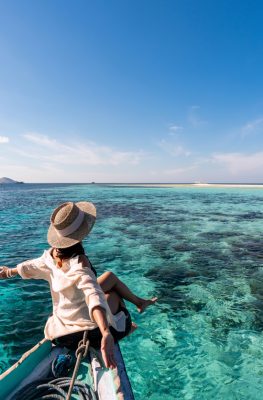
Atauro Island is one of Timor-Leste’s best-known ecotourism destinations, celebrated for its exceptional marine biodiversity, clear waters and vibrant reef systems. Just offshore from Dili, the island offers snorkelling, diving, trekking and cultural experiences that reflect a strong connection between people and place. Community-run accommodation, locally guided activities and marine conservation initiatives all contribute to a visitor experience that supports both livelihoods and environmental care.
Mount Ramelau
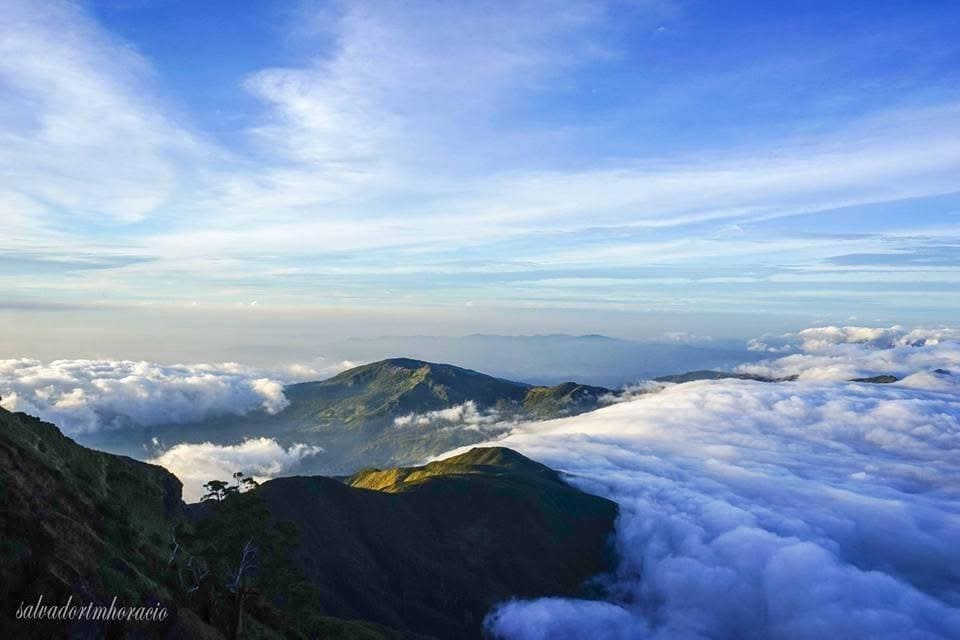
The country’s highest peak, Mount Ramelau, also known as Tatamailau, is one of Timor-Leste’s most revered natural landmarks. The trek to the summit draws both adventure travellers and pilgrims, rewarding early risers with sweeping sunrise views across the surrounding highlands. Beyond its scenic appeal, the mountain holds deep cultural and spiritual significance, making it a place of reflection as well as outdoor discovery.
Jaco Island
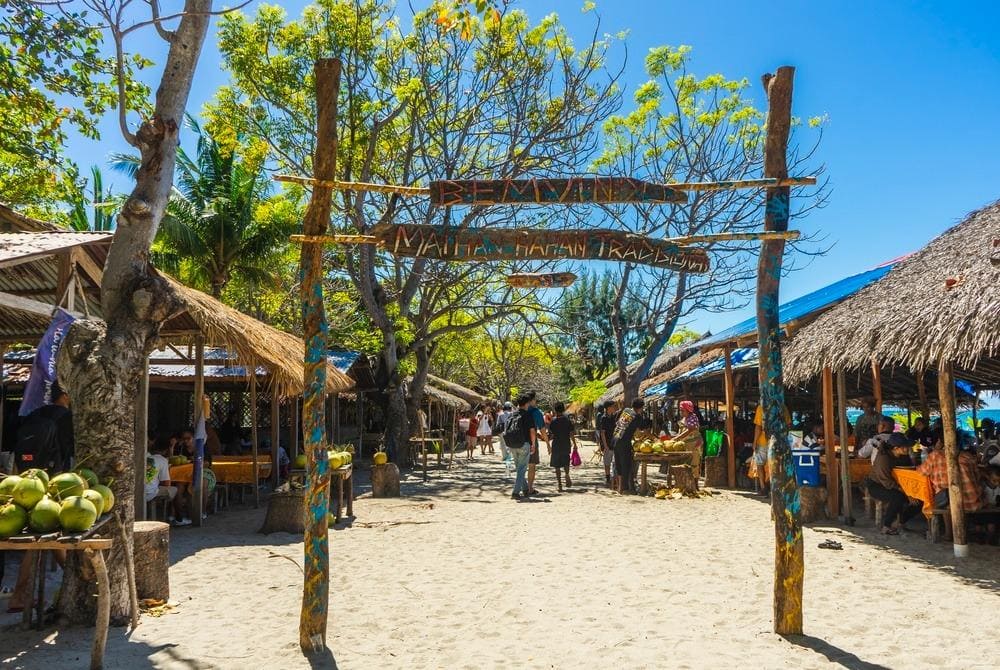
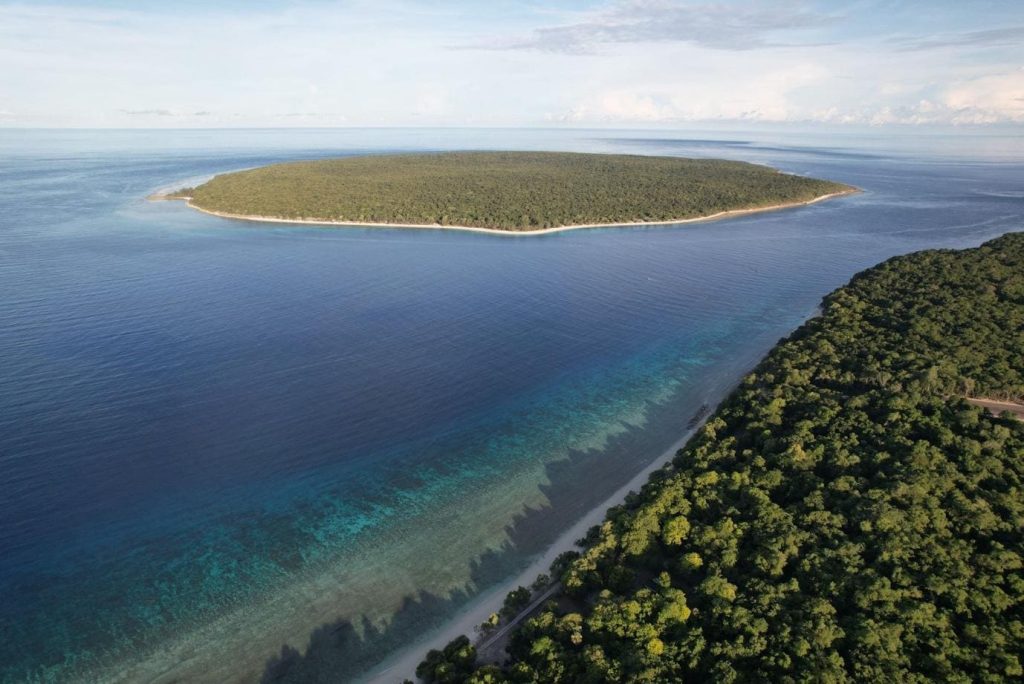
Jaco Island is a protected, uninhabited island known for its white-sand shoreline, turquoise waters and relatively undisturbed coastal environment. Reached from the eastern part of the country, it offers visitors a chance to experience a low-impact nature destination where access is typically managed with care. Its appeal lies not only in its scenery, but also in the sense of remoteness and respect for the fragile ecosystems that define the area.
Community-Based Tourism & Local Impact
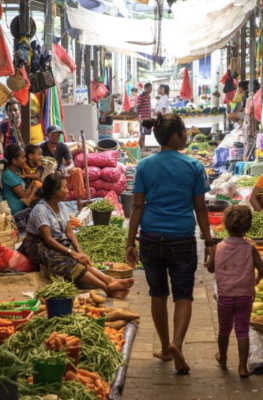
Community-based tourism plays an important role in Timor-Leste’s visitor economy, creating opportunities for communities to share their landscapes, traditions and knowledge while benefiting more directly from tourism activity.
Tutuala
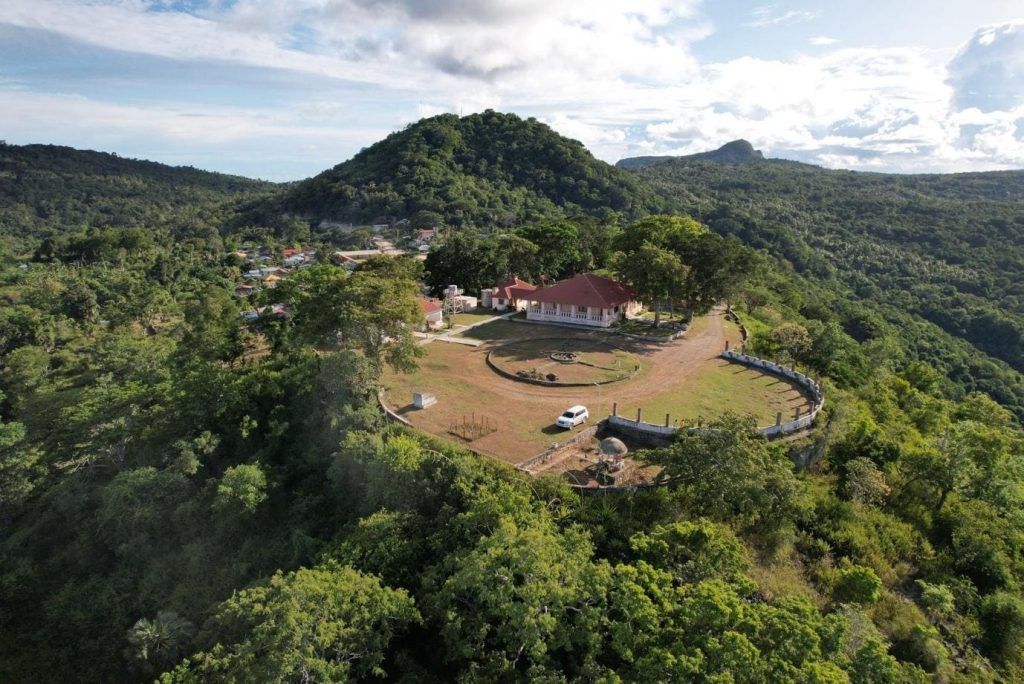
Located near Jaco Island, Tutuala offers access to both cultural heritage and protected natural landscapes in the country’s far east. Community-based experiences here can include local guiding, traditional storytelling and accommodation hosted close to village life, giving visitors a more grounded understanding of place while helping channel tourism benefits to residents.
Maubisse
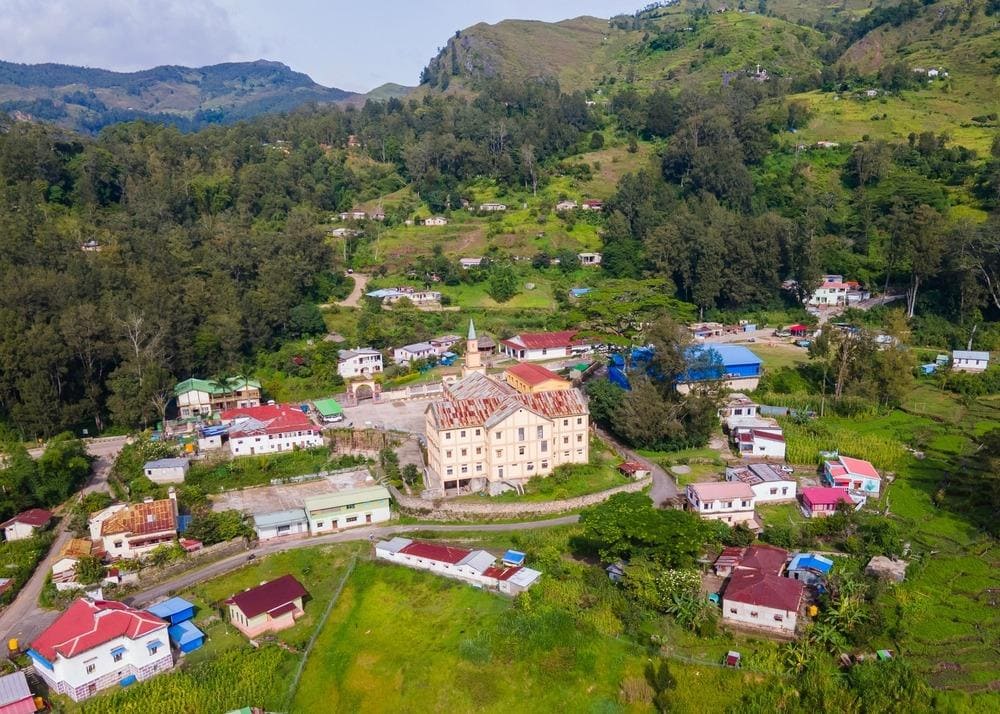
Maubisse is a highland town known for its cool climate, mountain views and slower pace of travel. It is well suited to visitors looking to pair scenic landscapes with locally rooted experiences, including small-scale stays, guided walks and insight into rural life and agriculture. As a gateway to the surrounding uplands, Maubisse adds a different dimension to Timor-Leste’s nature-based tourism offer.
Responsible Travel Tips
- Choose locally owned accommodation, guides and services wherever possible.
- Respect local customs, village spaces and cultural traditions.
- Minimise waste and avoid disturbing fragile marine and terrestrial ecosystems.
- Prepare for limited infrastructure in remote areas and travel with patience and flexibility.
- Approach each destination with curiosity, care and consideration for local communities.
When to Visit
Timor-Leste has a tropical climate with distinct dry and wet seasons that shape travel conditions across the country. The dry season, typically from May to November, is often the best time for ecotourism activities, with clearer skies and more favourable conditions for trekking, snorkelling and diving. During the wet season, from December to April, rainfall can make travel more challenging in some rural areas, but the landscape is also at its most lush and vibrant.
Conclusion
Timor-Leste is still at an early stage in shaping its tourism future, and that creates a valuable opportunity to build a visitor economy grounded in sustainability from the outset. Its coral reefs, mountain landscapes and community connections already offer the foundations of a distinctive ecotourism destination. For travellers seeking authentic, low-impact experiences, Timor-Leste offers the chance to connect with nature and community in ways that feel meaningful, grounded and full of potential.