

Published on March 31, 2026
With more than 17,000 islands spread across the equator, Indonesia offers one of the richest ecotourism experiences in the world. Dense rainforests, volcanic landscapes, coral reefs, and centuries-old local traditions all coexist across the archipelago, making it a dream destination for travellers who want more meaningful and responsible adventures.
Today, travelling sustainably is no longer just a travel trend. It has become an important way to help protect Indonesia’s natural ecosystems and support the communities that depend on them. Through ecotourism, travellers are encouraged not only to explore beautiful places, but also to contribute to their preservation.
Why Ecotourism Matters in Indonesia
Indonesia is recognised as one of the world’s megadiverse countries, meaning its ecosystems play a major role in maintaining global environmental balance.
Its tropical rainforests help absorb enormous amounts of carbon emissions, while its oceans support marine biodiversity, fisheries, and coastal protection systems across Southeast Asia.
However, these ecosystems continue to face serious pressure from deforestation, habitat destruction, pollution, and climate change.
This is where ecotourism becomes important. Sustainable tourism creates economic opportunities that encourage local communities to protect forests, oceans, and wildlife instead of exploiting them. When conservation directly benefits local livelihoods, environmental protection becomes far more sustainable in the long run.
Best Ecotourism Destination in Indonesia
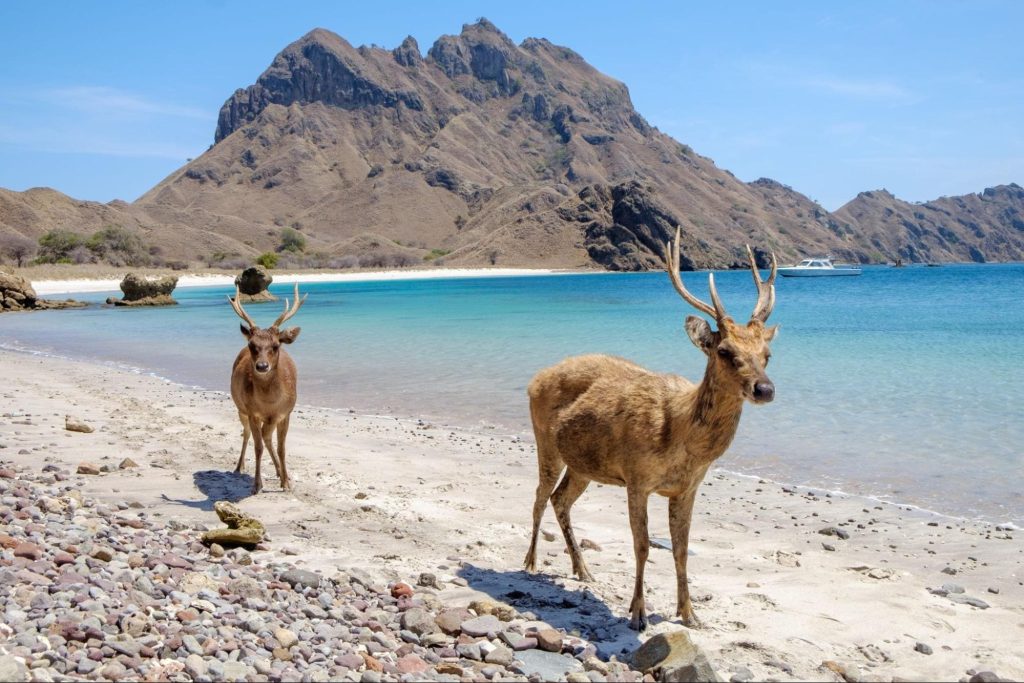
From ancient reptiles to untouched coral reefs, these destinations represent some of Indonesia’s most remarkable examples of sustainable travel.
Komodo National Park
Located in the Province of East Nusa Tenggara (NTT), precisely in Komodo District, West Manggarai Regency, Komodo National Park is one of Indonesia’s most iconic conservation areas. The main gateway to the park is Labuan Bajo, a harbour town situated on the western tip of Flores Island.
The park is internationally recognised as a UNESCO World Heritage Site by the UNESCO World Heritage Centre, thanks to its exceptional biodiversity and unique ecosystem.
Komodo National Park is best known as the natural habitat of the endemic Komodo dragon, the world’s largest living lizard. Visitors can observe these prehistoric animals in the wild on both Komodo Island and Rinca Island, accompanied by certified local rangers and guides.
Beyond the dragons, the park also offers spectacular landscapes and marine experiences.
Some of its main highlights include:
- Komodo Island & Rinca Island — the best places to see Komodo dragons in their natural habitat.
- Padar Island — famous for its dramatic savanna hills and panoramic viewpoint overlooking three differently coloured beaches.
- Kelor Island & Pink Beach — popular spots for swimming, snorkelling, and relaxing beside vibrant coral reefs.
To reduce the impact of overtourism, authorities continue implementing visitor regulations and conservation-focused tourism management throughout the area.
Tanjung Puting National Park
Situated in Kumai District, West Kotawaringin Regency, Central Kalimantan, Tanjung Puting National Park is one of the world’s most important orangutan conservation areas.
The park is especially famous for its extensive orangutan rehabilitation efforts. It is believed to support between 30,000 and 40,000 orangutans, making it one of the largest orangutan habitats on Earth.
Travellers usually explore the park aboard traditional wooden riverboats called klotok, slowly cruising through peaceful jungle waterways surrounded by dense tropical forest.
Several important conservation sites can also be visited here, including:
- Pondok Tanggui & Camp Leakey: rehabilitation and research centres where visitors can observe scheduled orangutan feeding sessions in semi-wild habitats.
- Wildlife Observation Areas: home to other native species such as proboscis monkeys (bekantan), gibbons, sun bears, reptiles, and countless tropical birds.
The best time to visit Tanjung Puting is generally between June and September, when the weather is drier and river travel becomes easier and more comfortable.
Raja Ampat
Located in the heart of the Coral Triangle, Raja Ampat is often described as one of the most biodiverse marine ecosystems in the world.
Its waters are home to thousands of marine species, including manta rays, sea turtles, reef sharks, and vibrant coral systems that remain relatively untouched.
Marine conservation is taken seriously here. Local communities work together with conservation organisations and tourism operators to protect marine reserves and regulate tourism activities. Divers and snorkellers are expected to follow strict zero-impact guidelines to help preserve the fragile reef ecosystems.
Ubud
For travellers looking for a softer introduction to ecotourism, Ubud offers a balance between nature, culture, and sustainability.
Surrounded by rice terraces, forest trails, and traditional Balinese villages, Ubud has become a centre for eco-conscious hospitality, wellness retreats, organic farming, and sustainable design.
Visitors can enjoy activities such as cycling through rice fields, joining local farming workshops, exploring protected forest walks, or staying in eco-friendly accommodations designed with low environmental impact in mind.
Plan your next trip to one of the best ecotourism destinations in Indonesia with AI Plan Your Trip, or ask MaiA directly for the best eco-tourism activities, nature experiences, and sustainable travel recommendations during your stay.
Best Community-led Tourism Destinations in Indonesia
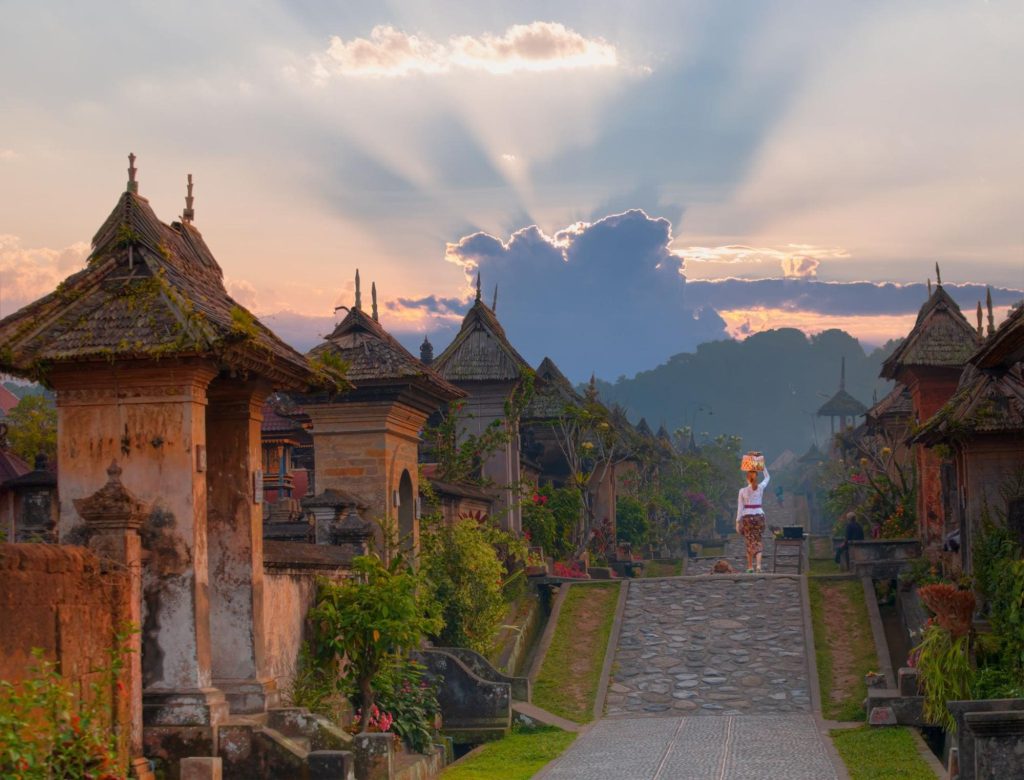
One of the most important principles of ecotourism is ensuring local communities remain at the centre of tourism development.
These destinations show how community-led tourism can preserve culture while creating sustainable income opportunities.
Penglipuran Village, Bali
Known for its exceptionally clean and well-preserved traditional layout, Penglipuran Village manages tourism collectively within the community. Tourism revenue is distributed to support village infrastructure, environmental management, and cultural preservation efforts.
Wae Rebo, Flores
Hidden high in the mountains of Flores, Wae Rebo offers visitors the opportunity to stay overnight in traditional cone-shaped Mbaru Niang houses. The local community carefully limits visitor numbers to maintain the village’s cultural authenticity and environmental balance.
Nglanggeran Village, Java
This award-winning tourism village combines sustainable farming, geological education, and environmental conservation into one integrated tourism model. Visitors can participate in hands-on educational activities while directly supporting local livelihoods.
How to Travel Sustainably in Indonesia: Practical Eco Travel Tips
Travelling responsibly does not require drastic changes. Small decisions often create the biggest impact.
Here are the things responsible travellers should know before visiting Indonesia:
- Respect Sanctuary Rules: Strictly follow conservation guidelines, especially regarding boundaries and wildlife distances in national parks.
- Keep Capital Local: Hire independent local guides and stay in community-owned eco-lodges to ensure your travel spend directly benefits the community.
- Combat Plastic Pollution: Remote islands possess minimal waste infrastructure. Carry reusable water bottles and dry bags to eliminate single-use plastics entirely.
- Enforce Ethical Wildlife Practices: Never feed, touch, or crowd wild animals, and boycott any attraction that exploits wildlife for entertainment.
When to Plan Your Adventure
While Indonesia features a tropical climate year-round, optimal travel windows vary across its vast geography.
| Region / Activity | Favorable Windows | Environmental Conditions |
|---|---|---|
| General Archipelago(Trekking & Wildlife) | May to September(Dry Season) | Clearer skies, stable trekking terrain, and highly reliable wildlife spotting conditions. |
| Specialized Marine Zones(ex. Raja Ampat, Bunaken) | Regional Variance | Diving and sea conditions fluctuate independently of standard dry seasons; always check localized marine charts before booking. |
Ready to Plan Your Ethical Escape?
Indonesia’s ecotourism movement shows that conservation and tourism can grow side by side when managed responsibly. Across the country, local communities, conservation groups, and sustainable travel operators are proving that tourism can help protect forests, wildlife, coral reefs, and cultural heritage instead of damaging them.
For travellers seeking experiences that feel more meaningful, Indonesia offers more than just beautiful destinations. It offers the opportunity to travel with greater awareness, purpose, and respect for the environment.
Check out @indonesia.travel or visit www.indonesia.travel for curated eco-lodge recommendations, and seasonal conservation updates across Indonesia.