

Published on February 13, 2026
Ecotourism in Thailand has evolved traditional sightseeing into a travel experience that emphasises conservation, community involvement, and responsible travel. With diverse ecosystems ranging from mountain forests to coral-rich coastlines, the country offers a wide range of nature-based experiences that balance accessibility with environmental awareness. This allows travelers opportunities to engage with landscapes and communities in meaningful, sustainable ways.
Why Ecotourism Matters in Thailand
Thailand is home to significant biodiversity, including tropical rainforests, marine ecosystems, and protected national parks. These environments support both wildlife and local economies, particularly in rural and coastal areas where tourism plays a key role in livelihoods.
At the same time, increased visitor numbers have introduced challenges, including habitat degradation and waste management. In response, both government agencies and local communities have implemented conservation programs, visitor limits, and sustainability initiatives designed to protect natural resources while maintaining tourism benefits.

Key Ecotourism Destinations
Khao Sok National Park
This rainforest reserve in southern Thailand is known for its limestone formations, dense jungle, and Cheow Lan Lake. Activities include guided trekking, canoeing, and wildlife observation. Conservation efforts focus on habitat protection and regulated tourism infrastructure.
Khao Sok is a premier example of how tourism can actively heal nature. As a recipient of the Thailand Tourism Awards 2023 (Outstanding Performance in Nature Attractions), the park demonstrates a profound commitment to environmental stewardship and sustainable management.
Why it is Eco & Regenerative:
- Sustainable Living on Water: The famous floating eco-resorts on Cheow Lan Lake use specialized waste management systems to ensure zero leakage into the reservoir, protecting the water quality for both humans and aquatic life.
- Ecosystem Restoration: A portion of tourism fees is directly reinvested into forest patrol and biodiversity monitoring programs.
Regenerative Activities for the Conscious Traveler:
- Scenic Exploration: Experience the “Emerald Heart” of Cheow Lan Lake by boat, where tourism is managed to preserve the pristine limestone landscapes and emerald waters.
- Wildlife & Nature Education: Embark on guided treks through ancient rainforests to discover rare flora and fauna, fostering a deep connection with biodiversity conservation.
- Eco-Friendly Adventure: Enjoy low-impact river tubing aling the Sok River, an activity designed to let travelers immerse themselves in the lush jungle without disturbing the river’s ecosystem.
Responsible Traveler Guidelines:
- Zero-Waste Journey: Visitors are encourage to explore the caves, such as Nam Thalu and Coral Caves, with professional guides who ensure that these fragile ecosystems remain untouched and thriving.
Doi Inthanon National Park
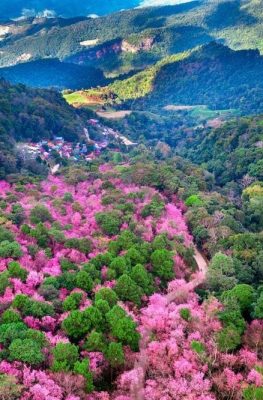
Located in northern Thailand, Doi Inthanon National Park features the country’s highest peak, waterfalls, and cloud forests. It also supports nearby communities through small-scale tourism initiatives tied to agriculture and handicrafts.
Nature & Community Located in Northern Thailand, Doi Inthanon National Park is renowned for the country’s highest peak, breathtaking waterfalls, and rare cloud forests. Beyond its natural wonders, the park is a sanctuary where nature and people coexist, supporting nearby communities through small-scale tourism initiatives deeply tied to sustainable agriculture and traditional handicrafts.
Kew Mae Pan Nature Trail:
The Kew Mae Pan Nature Trail is a premier example of Regenerative Tourism in action. This high-altitude trek is not only a highlight for visitors seeking the “Sea of Mist” but also a vital conservation initiative managed entirely by the local Hmong community.
Why it is Eco & Regenerative:
- Guardian Guides: Every group of travelers is accompanied by a local community guide. This ensures that visitors stay on designated paths to protect sensitive flora, such as the ancient Rhododendrons (thousand-year-old roses), while the community earns a sustainable income to support their forest protection efforts.
- Cloud Forest Preservation: The trail serves as an outdoor classroom where guides share traditional wisdom about the “Cloud Forest”—an ecosystem that acts as a natural sponge, capturing moisture from the air to feed the headwaters of Thailand’s major rivers.
Koh Tao
Koh Tao is known for its coral reefs and marine biodiversity. Many tour operators incorporate reef conservation practices, including coral restoration and diver education programs.
Regenerative Action & Innovation:
- Leading the Way in Coral Restoration: Beyond basic tours, many operators on the island collaborate with marine biologists on Coral Nurseries and restoration projects. Travelers can join “Conservation Dives” to learn how to transplant coral fragments and monitor reef health.
- Eco-Dive Standards: Koh Tao is home to some of the world’s leading dive schools that prioritize Diver Education. These programs teach advanced buoyancy control and reef etiquette to ensure that every dive leaves zero impact on the fragile marine ecosystem.
- Community-Led Protection: The local “Save Koh Tao” group and tourism businesses work together on regular beach and underwater clean-ups, ensuring that marine biodiversity thrives despite the island’s popularity.
Responsible Traveler Guidelines
- Choose Green Fins Operators: Look for dive and snorkel centers that follow Green Fins standards to ensure they adhere to strict environmental practices.
- Reef-Safe Sunscreen Only: Use only biodegradable, reef-safe sunscreen to prevent harmful chemicals from damaging coral reefs
- Hands-Off Policy: Adhere to a strict “no-touch, no-take” policy. Do not touch or step on corals, and never feed the fish, as it disrupts their natural behavior.
Phu Chi Fa
A quieter destination in northern Thailand, Phu Chi Fa offers sunrise views above a sea of mist. Tourism here is largely supported by locally run guesthouses and guides.
Regenerative Action & Local Wisdom:
- Locally Run Heritage: Unlike large-scale developments, the tourism ecosystem here is powered by locally-owned guesthouses and community guides. This ensure that tourism revenue remains within the village, directly funding the maintenance of the trails and the protection of the surrounding mountain forests.
Preserving the Natural Skyline: The community works together to prevent over-development, ensuring that the iconic “finger pointing to the sky” cliff remains an untouched natural landmark for future generations.
Community-Based Tourism & Local Impact
Mae Kampong Village
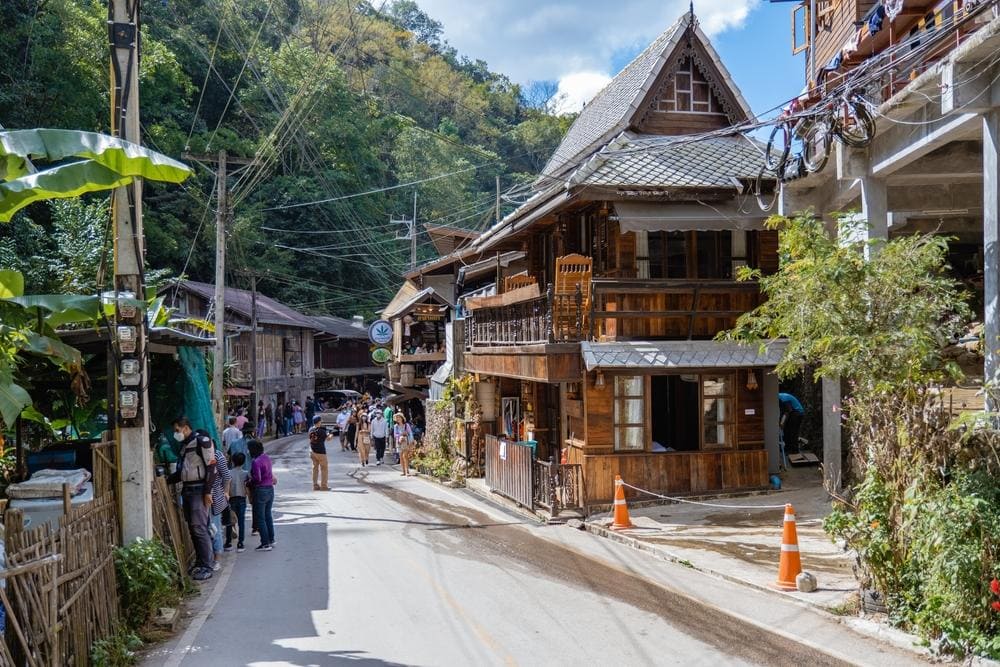
Mae Kampong Village, located near Chiang Mai, is a leading example of community-based tourism. Visitors can stay in homestays, learn about tea and coffee cultivation, and participate in daily village life. Tourism revenue is distributed among residents, helping sustain local livelihoods while preserving traditional practices.
Regenerative Action & Local Impact:
- Economic Resilience: Unlike mass tourism, Mae Kampong uses a Community Fund model where a portion of all tourism revenue is reinvested into local welfare, infrastructure, and forest conservation. This ensures that the benefits of tourism are shared equitably among all residents.
- Preserving the Green Canopy: the village is famous for its Shade-Grown Coffee and Tea, a practice that encourages villagers to protect the surrounding forest to provide the necessary shade for their crops. This creates a powerful incentive for forest stewardship.
- Authentic Cultural Exchange: Through local homestays, visitors participate in daily village life, fostering a deep respect for Northern Thai traditions and the “slow life” philosophy that defines the village’s identity.
Responsible Traveler Guidelines
- Be a Respectful Guest: Mae Kampong is a living community, not just a photo backdrop. Please be mindful of residents’ privacy, keep noise levels low, and always ask for permission before taking photos of people or their homes.
- Support the Village Directly: Choose to stay in registered homestays and purchase local products like fermented tea (Miang) or handcrafted goods to ensure your spending stays within the community.
- Minimize Your Footprint: Due to the village’s narrow roads and limited capacity, travelers are encouraged to use local transport services and strictly practice waste separation to help the village manage its environmental health
Ban Talae Nok
Rebuilt after the 2004 tsunami, Ban Talae Nok has developed tourism centred on mangrove conservation and traditional fishing. Activities include kayaking through mangrove forests and learning about community-led ecosystem restoration efforts. For a true immersion experience, Ban Talae Nok offers many homestays for visitors.
Regenerative Action & Immersion:
- Guardian of the Mangroves: Visitors can kayak through lush mangrove forests while learning about community-led restoration. These forests act as a “natural shield” against coastal erosion and a vital nursery foe marine life, demonstrating how tourism can fund environmental protection.
- Traditional Wisdom & Livelihood: Through authentic homestays, travelers experience the traditional Muslim fisherman’s way of life, participating in activities like making hand-dyed fabrics or learning local cooking using ingredients sourced directly from the healthy sea.
- Resilient Community Model: The tourism here is not just about visiting; it’s about understanding the power of community-led ecosystem management that has flourished since the recovery.
Responsible Traveler Guidelines
- Be Culturally Mindful: As a traditional Muslim community, visitors are encouraged to dress modestly and respect local customs and religious practices to ensure a harmonious cultural exchange.
- Support Ecosystem Health: Participate in reforestation activities or purchase community products. Your visit directly supports the maintenance of the mangrove “green wall.”
- Minimize Waste in Sensitive Zones: Mangrove areas are sensitive. Please ensure all trash is taken back or disposed of properly to prevent plastic pollution from entering the ocean.
Koh Yao Noi
Koh Yao Noi promotes low-impact tourism through community-run experiences such as cycling tours, batik workshops, and fishing excursions. They have maintained a balance between tourism development and environmental preservation by prioritising small-scale, locally managed businesses.
Regenerative Action & Local Wisdom:
- Authentic Living: Visitors can immerse themselves in the island’s charm through community-run experiences, such as cycling tours through rice paddies, traditional batik workshops, and fishing excursions that follow sustainable practices.
- Decentralized Wealth: The “Small-Scale” approach ensures that tourism development does not lead to over-tourism. Instead, it fosters an environment where local residents are the primary stakeholders and guardians of their own natural heritage.
(Notes: Local community in Koh Yao Noi introduced the concept of “Small-scale, Locally Managed” in their community-based tourism management)
Responsible Traveler Guidelines
- Slow Down and Connect: Embrace the “Slow Travel” philosophy. Opt for low-carbon transportation like bicycles or walking to enjoy the island’s serene atmosphere.
- Respect the Local Rhythm: As a predominantly Muslim community, please dress modestly and be mindful of local traditions to ensure a respectful and meaningful cultural exchange.
- Say No to Plastics: Help the island maintain its pristine beauty by minimizing plastic waste and supporting local initiatives that promote environmental health.
Responsible Travel Tips
Travellers can support ecotourism efforts by adopting responsible practices:
- Choose locally operated tours and accommodations.
- Minimise plastic use and properly manage waste.
- Respect wildlife and avoid disruptive behaviour.
- Follow guidelines in national parks and marine areas.
When to Visit
The most suitable period for ecotourism in Thailand is typically between November and February, when temperatures are moderate, and rainfall is lower. Seasonal variations may affect specific activities, particularly in marine environments.
Conclusion
Thailand’s ecotourism model reflects a broader shift toward sustainability across Southeast Asia. By integrating conservation efforts with community participation, the country demonstrates how tourism can contribute to both environmental protection and economic resilience. As part of the wider ASEAN region, Thailand offers a strong example of how responsible travel can be both structured and impactful.