

Published on March 13, 2026
Ecotourism in Cambodia is becoming a more meaningful way for travellers to experience the country beyond cultural landmarks. While Cambodia is often associated with its historical heritage, its natural landscapes, ranging from dense rainforests to expansive wetlands, offer compelling opportunities for exploration. Ecotourism initiatives are being developed to balance environmental protection with community development, allowing travellers to engage with both nature and local ways of life in a more responsible and informed manner.
Why Ecotourism Matters in Cambodia
Cambodia’s ecosystems play an important role in supporting biodiversity, regulating climate, and sustaining rural livelihoods. Forested regions such as the Cardamom Mountains serve as vital habitats for wildlife, while freshwater systems, such as Tonlé Sap Lake, support the country’s fishing economy. However, these environments face ongoing pressures from deforestation, wildlife trade, and changing land use.
Ecotourism has emerged as one approach to addressing these challenges. Creating economic value around conservation provides incentives for local communities to protect natural resources rather than exploit them. In many parts of the country, tourism revenue is directly linked to environmental stewardship, making sustainability a shared priority among residents, operators, and visitors.
Key Ecotourism Destinations
Cardamom Mountains
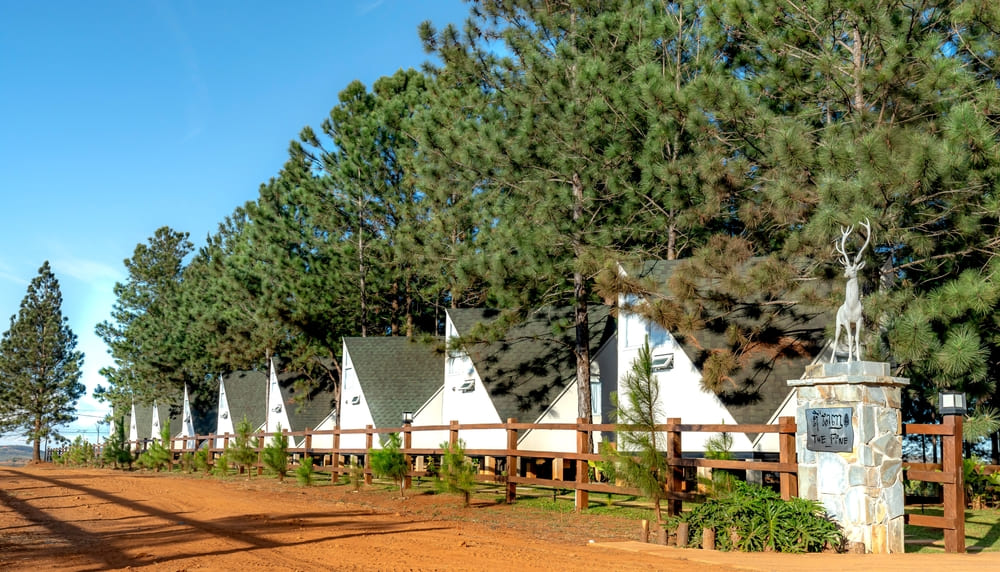
The Cardamom Mountains are one of Southeast Asia’s largest remaining rainforest ecosystems and are central to Cambodia’s conservation efforts. This region is characterised by dense jungle, river networks, and high biodiversity, including endangered species. Visitors can take part in guided treks, river kayaking, and eco-lodge stays, many of which are designed to minimise environmental impact. Tourism here is closely tied to conservation initiatives, with local guides and organisations actively protecting the forest.
Tonlé Sap Lake
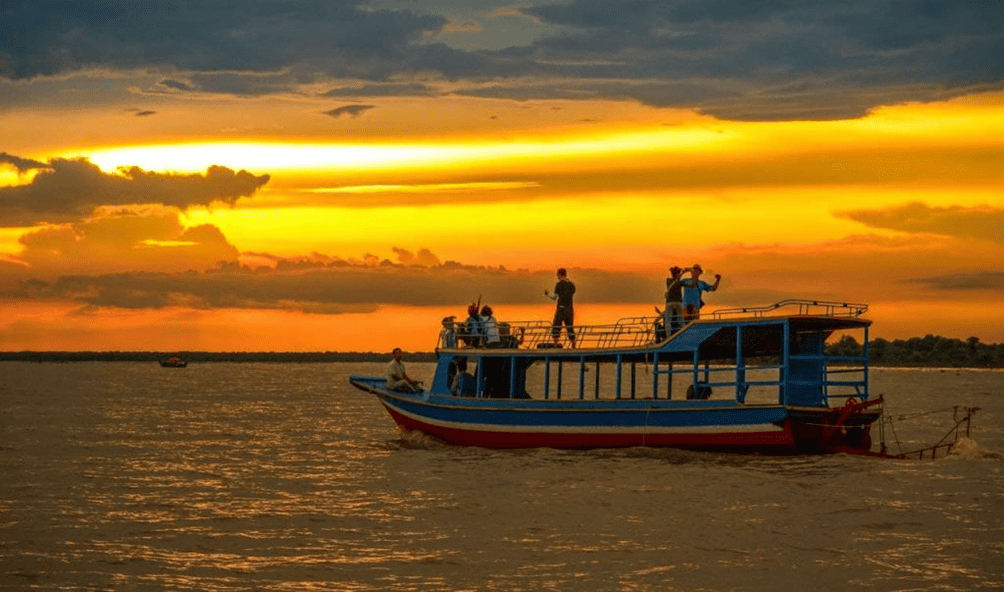
Tonlé Sap Lake is a unique ecological system that expands and contracts with seasonal flooding, supporting one of the most productive inland fisheries in the world. The lake is also home to floating and stilted communities whose daily lives are shaped by the water’s rhythms. Visitors can explore these villages by boat, gaining insight into traditional fishing practices and the environmental challenges the region faces. Responsible tourism in this area emphasises respect for local communities and awareness of the lake’s ecological importance.
Kep National Park
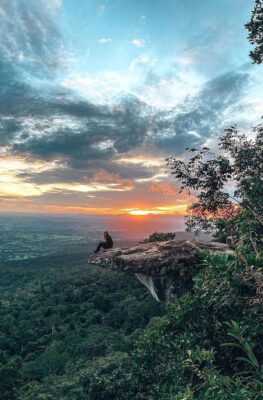
Kep National Park offers a more accessible way to experience Cambodia’s natural landscapes, with well-maintained trails that wind through forested hills overlooking the coast. The park is known for its biodiversity and serves as a protected area where conservation and recreation coexist. Hiking routes provide opportunities to observe local flora and fauna while supporting small-scale tourism businesses in nearby communities.
Mondulkiri Province
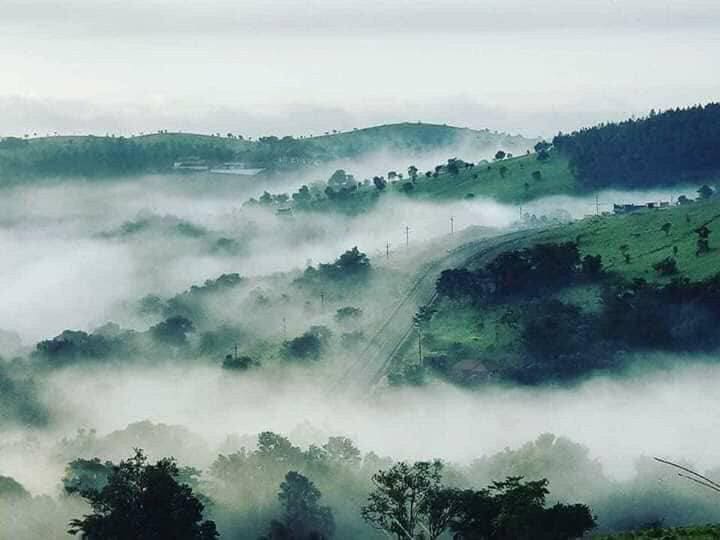
Located in the eastern part of the country, Mondulkiri is known for its rolling hills, forests, and cooler climate. It has become a focal point for ethical wildlife tourism, particularly through elephant sanctuaries that prioritise observation and welfare over entertainment. These initiatives offer visitors the chance to learn about conservation while supporting organisations committed to protecting both animals and their natural habitats.
Chambok Community-Based Ecotourism Site | Ministry of Tourism Cambodia
Community-Based Tourism & Local Impact
Chi Phat
Chi Phat is widely regarded as one of Cambodia’s most successful community-based ecotourism models. Located within the Cardamom Mountains, the village offers a range of activities, including trekking, cycling, and boat tours. Local residents are directly involved in managing these experiences, and tourism revenue is distributed across the community. This model has helped reduce illegal logging and poaching by providing alternative sources of income.
Chambok
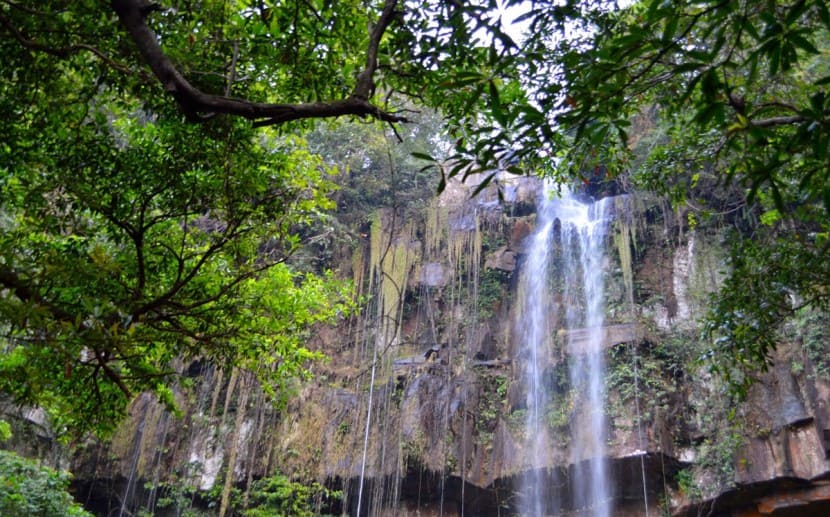
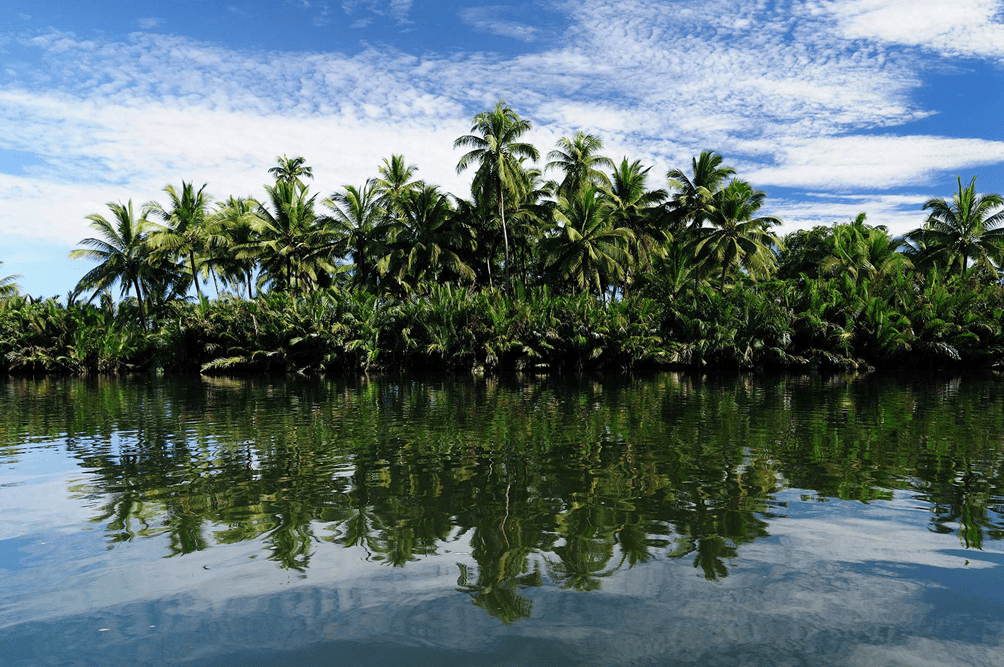
Chambok is a community-led ecotourism site situated near Phnom Penh, making it accessible for short visits while offering an immersive experience. Visitors can explore forest trails, visit waterfalls, and participate in cultural activities. The project is managed by local residents, with profits reinvested into infrastructure, education, and conservation efforts.
Prek Toal
Prek Toal, located within the Tonlé Sap Biosphere Reserve, is one of the region’s most important bird conservation areas. The sanctuary attracts a wide variety of waterbird species, some of which are endangered. Community members play a key role as guides and service providers, ensuring that tourism supports both conservation and local livelihoods.
Responsible Travel Tips
Travellers visiting Cambodia’s natural areas can contribute to sustainability by making informed choices. Supporting community-based tourism initiatives helps ensure that economic benefits remain local. It is also important to avoid wildlife experiences that involve exploitation, minimise plastic waste, and respect both environmental guidelines and cultural practices.
When to Visit
The dry season, from November to April, is generally the most suitable time for ecotourism in Cambodia, as conditions are more favourable for travel and outdoor activities. However, seasonal changes can enhance certain experiences, such as higher water levels on Tonlé Sap during the wet season.
Conclusion
Cambodia’s approach to ecotourism highlights the growing role of community participation in conservation. By linking environmental protection with economic opportunity, the country offers a model where tourism supports both ecosystems and the people who depend on them. For travellers, it provides a more informed and meaningful way to experience Cambodia’s natural landscapes.